Can You Live in a Modular Home All Year Round?
We explain when it is possible to live in a modular home all year round and what should be evaluated regarding insulation, heating, energy…
Can You Live in a Modular Home All Year Round?
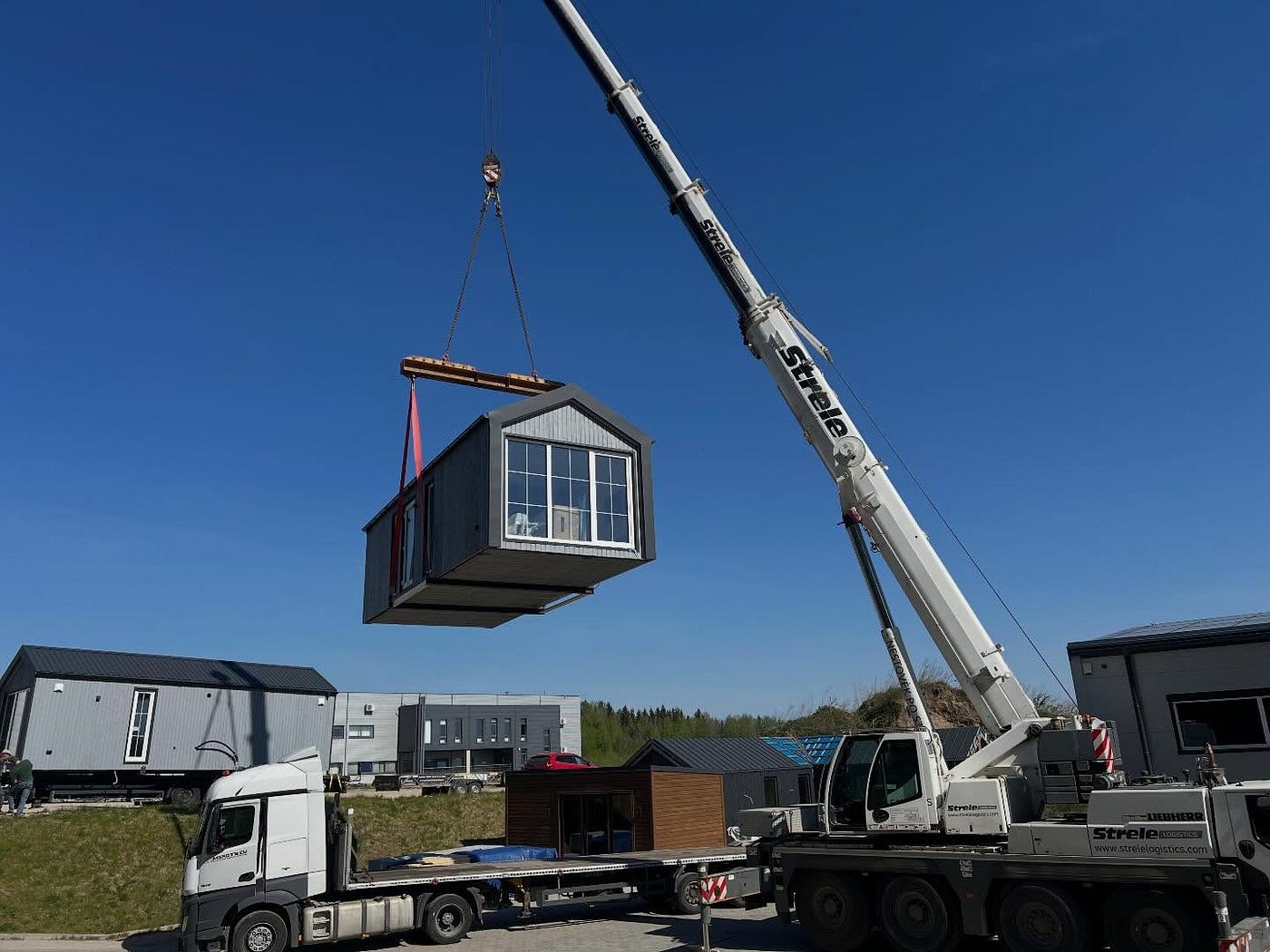
We explain when it is possible to live in a modular home all year round and what should be evaluated regarding insulation, heating, energy class, and preparation.
Yes, you can live in a modular home all year round if it is designed for that purpose, properly insulated, has a suitable heating system, and is prepared for use as a residential home.
The most important thing to understand is that the term “modular home” does not automatically mean either a summer house or a fully finished home for permanent living. It describes a construction method. A modular home is manufactured in a factory from larger three-dimensional parts called modules, which are later transported to the plot and connected on site.
This means that a modular home can be simple and seasonal, but it can also be a proper residential home. The difference depends on the design, materials, insulation, energy performance, heating system, ventilation, and what exactly is included in the manufacturer’s offer.
For buyers, the main question should not be only “Is this a modular home?” A better question is: “Is this specific modular home designed for year-round living?”
A Modular Home Can Be Designed for Different Uses
Not all modular homes are the same. Some models are intended for seasonal use, for example as summer houses, garden houses, holiday cabins, or weekend homes. These buildings may be comfortable during warmer months, but they may not be prepared for cold winters or everyday use throughout the year.
Other modular homes are designed as permanent residential homes. These can include proper insulation, heating, ventilation, windows suitable for colder climates, and all the systems needed for daily living.
That is why, for the buyer, the most important thing is not the word “modular” itself, but the intended use of the specific house. A small modular cabin and a fully residential modular house may both be built from modules, but they can be very different in comfort, technical performance, and price.
Before comparing prices, it is worth asking the manufacturer a simple question: is this model suitable for permanent living, or is it mainly intended for seasonal use?
This question can save a lot of confusion. A cheaper model may look attractive in photos, but it may not include the insulation, heating, or finishing level needed for year-round living.
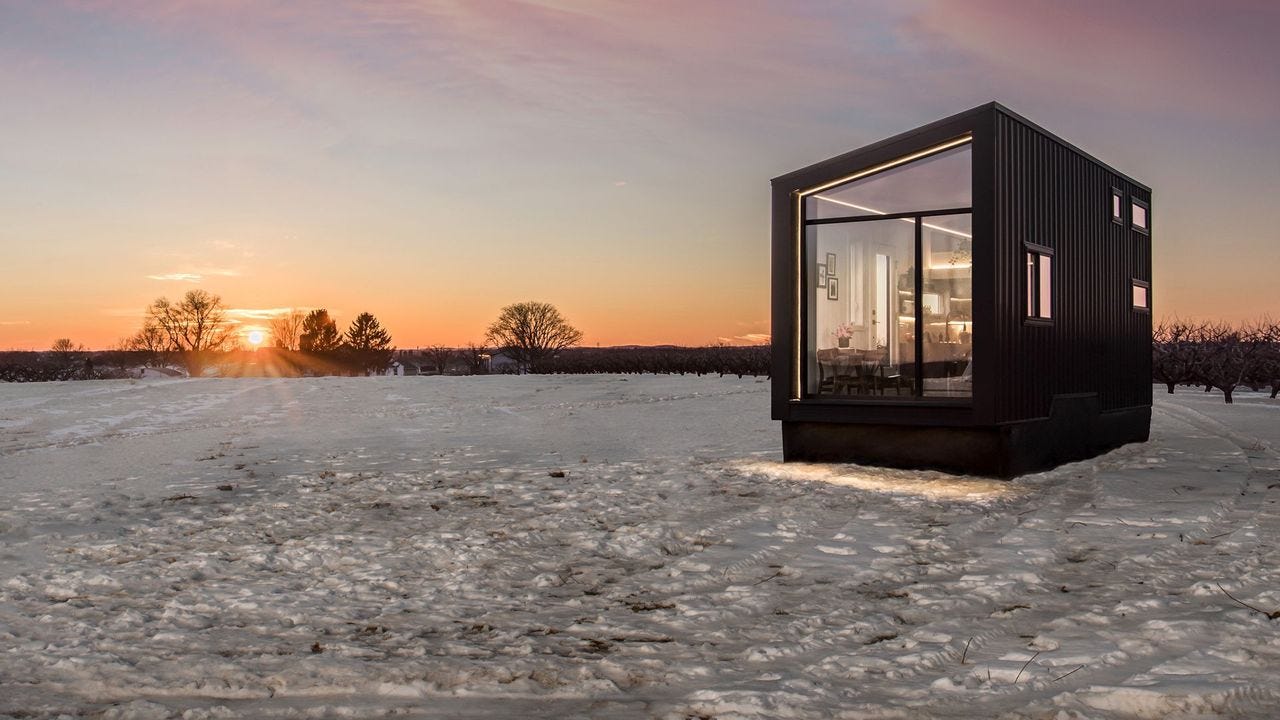
What Does Living All Year Round Mean?
Living all year round means that the house must be comfortable not only in summer, but also during autumn, winter, and early spring. In practice, this means that the house must be able to keep heat inside, manage moisture, provide fresh air, and allow normal daily life in different weather conditions.
Several things are important for this: insulation of the walls, roof, and floor, windows, airtightness, heating, ventilation, and proper connection to the required systems.
In simple terms, a nice-looking house is not enough. The buyer needs to understand how the house will perform in colder months, how heat will be maintained, how air will move inside the rooms, and what systems will be installed.
If these questions are not discussed, the buyer may mistakenly assume that any modular home is automatically suitable for permanent living. This is not always true.
A house can look modern, have large windows, and have beautiful interior photos, but still require additional work before it becomes suitable for year-round use. The real comfort depends on what is behind the walls, under the floor, above the ceiling, and inside the technical systems.
Why Energy Class Matters
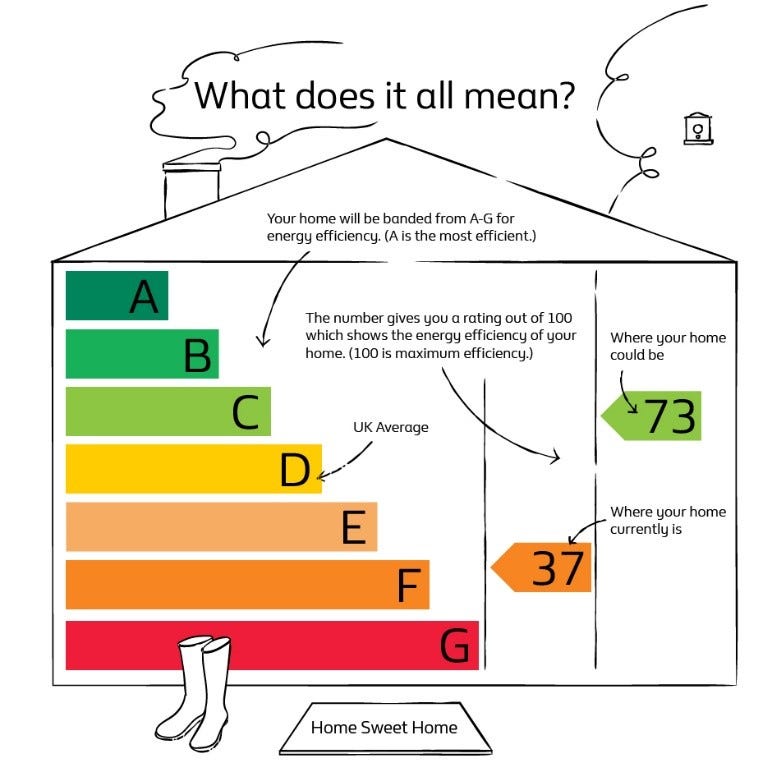
In many European countries, residential homes are evaluated by energy performance classes. The exact rules and names can vary by country, but the general idea is simple: the energy class shows how efficient the building is expected to be.
A higher energy class usually means that the house is better prepared to keep heat inside, use less energy, and provide more stable comfort during the year. A lower energy class may still be usable, but it can cost more to heat and may feel less comfortable in colder weather if the building is not well prepared.
For a buyer, this does not mean that every home must be the highest possible energy class. It depends on your budget, your country’s requirements, your plot, and your expectations. Some buyers may want a very efficient home with low heating costs. Others may accept a simpler solution if the house is smaller, used partly during the year, or located in a milder climate.
The important point is to understand the difference before buying.
If you want to live in the modular home permanently, energy performance should be discussed early. Ask the manufacturer what energy class the house can achieve, what is included to reach that level, and whether any additional work is needed on the plot.
It is also useful to understand that a passive house is not the same as a basic insulated house. A passive house is a very high-performance building standard focused on very low energy use. Not every modular home is a passive house, and not every buyer needs one. But if low heating costs and high comfort are important to you, it is worth asking whether the manufacturer can offer such a solution.
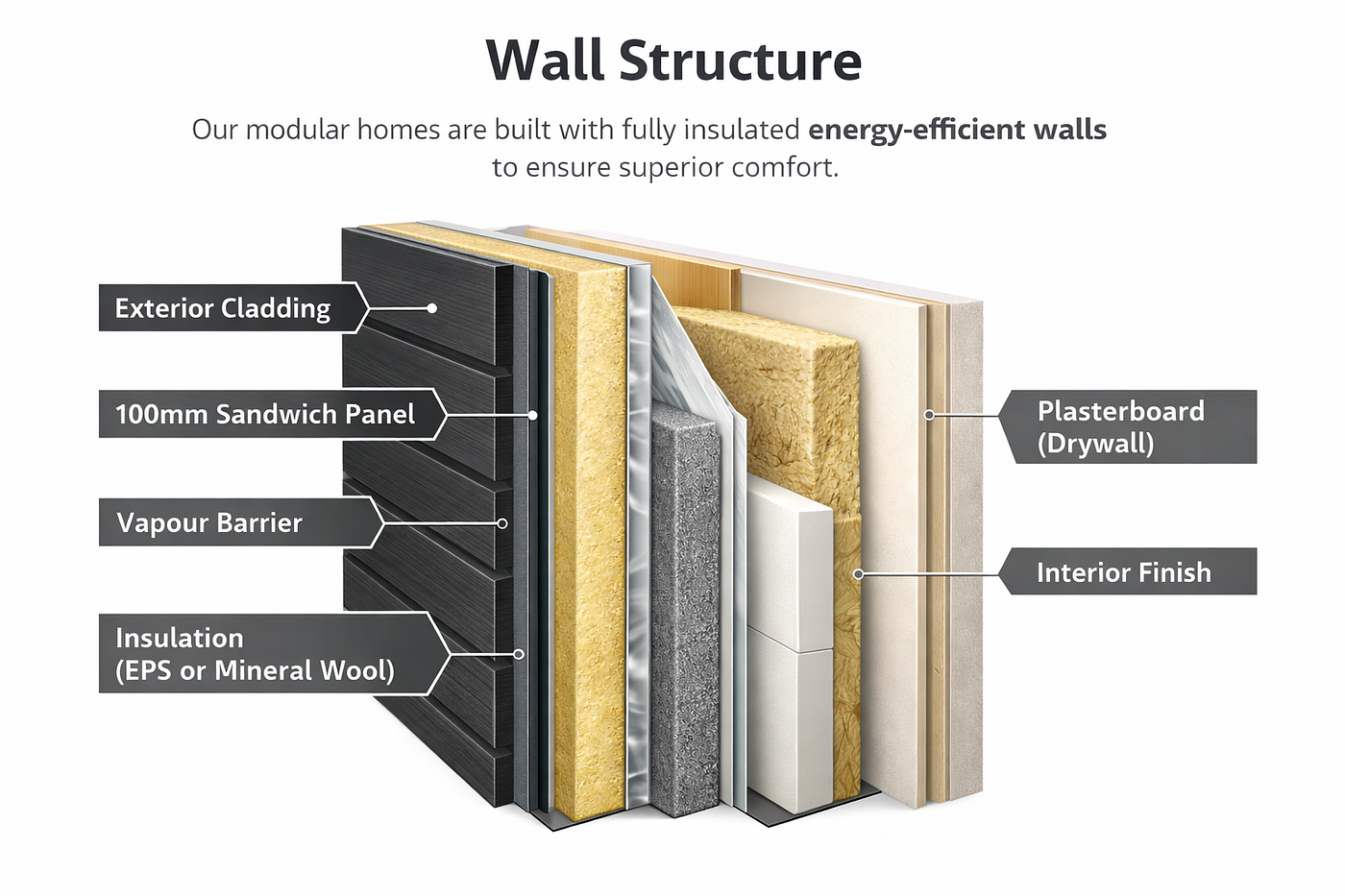
Insulation Is One of the Main Questions
Insulation is one of the most important parts of a year-round modular home. It helps keep the house warm in winter and more comfortable in summer.
The main areas to evaluate are the walls, roof, and floor. Heat can escape through all of these parts if they are not properly designed. Windows and doors are also important, because poor-quality windows can make the house colder and increase heating costs.
For a normal buyer, it is not necessary to understand every technical detail. You do not need to become an engineer before choosing a home. But you should ask the manufacturer to explain the insulation level in simple terms.
For example, ask whether the house is intended for permanent living in your climate. Ask what insulation is used in the walls, roof, and floor. Ask whether the windows are suitable for year-round residential use. Ask whether the house has been designed to meet a specific energy class.
Good manufacturers should be able to answer these questions clearly. If the answer is vague, that is a sign to ask for more details before making a decision.
Heating Must Be Planned Before Buying
A modular home for year-round living needs a proper heating solution. The right heating system depends on the size of the house, its insulation level, the local climate, available utilities, and the buyer’s budget.
Some modular homes may use electric heating, air-to-air heat pumps, air-to-water heat pumps, underfloor heating, or other solutions. The best choice depends on the project.
The key point is that heating should not be treated as an afterthought. It should be planned together with the house design and the plot preparation.
A small, well-insulated modular home may require less energy to heat. A larger house with poorer insulation may need a stronger system and can cost more to run. This is why the price of the house alone does not show the full picture. A cheaper house may become more expensive over time if it uses a lot of energy.
When comparing offers, ask whether heating is included. If it is not included, ask what system the manufacturer recommends and what additional cost should be expected.
Ventilation Is Also Important
When people think about year-round living, they usually think about heating first. But ventilation is also very important.
A house needs fresh air. If a home is well insulated and airtight, air does not move naturally in the same way as in older buildings. This can be good for energy efficiency, but it also means that ventilation should be properly planned.
Without good ventilation, the house can feel stuffy. Moisture can also become a problem, especially in bathrooms, kitchens, and bedrooms. Over time, poor moisture control can affect comfort and the condition of the building.
This does not mean that every buyer needs to understand complex ventilation systems. But it is worth asking simple questions. How will fresh air enter the house? How will moisture be removed? Is mechanical ventilation included? Is heat recovery ventilation possible?
For permanent living, ventilation should be discussed together with insulation and heating. These systems work together. A warm home should also be a healthy and comfortable home.
Why the Scope of Delivery Is Important
The scope of delivery means what exactly is included in the manufacturer’s offer.
One offer may include only the house structure. Another may include insulation, windows, facade, interior finishing, heating solutions, electrical installation, plumbing, or installation on the plot.
For this reason, two modular homes that look similar at first glance can differ significantly in how ready they are for living. One may be close to a fully finished home, while the other may still require many additional works.
This is one of the most common areas where buyers can misunderstand the real cost.
A lower price may not always mean a better deal. It may simply mean that fewer things are included. For example, the price may not include foundation work, transport, crane work, utility connections, heating, kitchen, bathroom, or final interior finishing.
When choosing, it is worth asking for a clear list: what is included, what is not included, and what work will need to be organized separately.
A good offer should make this easy to understand. If the offer is unclear, the buyer may face additional costs later.
What Should Be Evaluated on the Plot?
Even if a modular home is manufactured in a factory, the plot is still very important. The home does not exist separately from the land. The foundation, access, utilities, and installation conditions all need to be evaluated.
The foundation must be prepared according to the specific house solution. Different houses may require different foundation types. The manufacturer or a specialist should explain what is needed for the chosen model.
Access to the plot is also important. Modular homes are transported as large modules. This means that roads, turns, gates, trees, overhead cables, and available space on the plot can affect delivery and installation.
There must also be enough space for transport and lifting equipment if a crane is needed.
Utilities are another important part of year-round living. Electricity, water, wastewater, and heating solutions should be planned in advance. Without these things, even a well-manufactured house will not be comfortable for everyday living.
A modular home may be produced quickly in a factory, but the plot preparation can still take time. This should be included in the overall plan.
Documents, Permits, and Local Rules
Before buying a modular home, the buyer should also understand what documents and permissions may be needed. Rules can vary by country, municipality, building size, land type, and intended use.
In some cases, a smaller seasonal building may have simpler requirements. A permanent residential home usually has stricter requirements. This can include energy performance, structural documents, utility connections, and other local rules.
Because rules differ, buyers should not rely only on general information from the internet. It is better to ask the manufacturer what documents they provide and then check the situation with a local specialist or responsible authority.
This is especially important if the home will be used as a permanent residence. The buyer should understand whether the selected model can be legally used for that purpose in the specific location.
Lower Energy Class Does Not Always Mean Impossible
A modular home does not always need to be the highest energy class to be used. In some situations, a buyer may choose a simpler or lower-performance solution. This can make sense if the house is small, the budget is limited, or the home is not used every day.
However, there is usually a trade-off. A house with weaker insulation or lower energy performance may cost more to heat. It may also be less comfortable during very cold periods.
This is why buyers should think not only about the purchase price, but also about future running costs. A more energy-efficient home may cost more at the beginning, but it can be cheaper and more comfortable to live in over time.
There is no single correct answer for every buyer. The right choice depends on your needs. If you want a permanent family home, it is worth paying more attention to energy performance, heating, ventilation, and long-term comfort. If you need a weekend cabin, the requirements may be different.
The main thing is to make the decision knowingly.
What Questions Should You Ask the Manufacturer?
Before choosing a modular home, it is worth asking simple but specific questions.
Is this model intended for permanent living? What energy class can it achieve? What level of insulation is included? What type of heating is planned? Is ventilation included? What level of finishing is included? Is transport included? Is installation included? What work remains after delivery?
It is also useful to ask what is needed on the plot before the house arrives. What foundation is required? How much space is needed for delivery? Are there any access limitations? What utilities must be prepared in advance?
The buyer should also ask what documents and technical solutions are provided together with the house. If the buyer is unsure, it is useful to consult a specialist who can evaluate the specific offer and the situation on the plot.
On the PrefabFind platform, it is useful for buyers to compare manufacturers not only by photos, but also by how clearly they present the house’s intended use, scope of delivery, energy performance, materials, and additional services.
Clear information helps buyers make better decisions. It also helps avoid comparing two offers that are not actually the same.
Conclusion
You can live in a modular home all year round if it is adapted for that purpose. The most important thing is to understand that not every modular home is automatically fully prepared for permanent living.
A modular home can be a seasonal cabin, a small holiday house, or a proper residential home. The difference depends on the design, insulation, heating, ventilation, energy performance, scope of delivery, and plot preparation.
When choosing, buyers should clearly evaluate insulation, heating, ventilation, energy class, foundations, utilities, delivery, installation, and the work required after the house is delivered.
Higher energy performance can improve comfort and reduce heating costs, but the right solution depends on the buyer’s needs, budget, and local requirements. A lower-performance house may still be usable in some situations, but it should be chosen with a clear understanding of future heating costs and comfort.
The more clearly these questions are discussed at the beginning, the easier it is to make a calm and practical decision.
메타데이터
- post_id
- 6e62a355a46a
- slug
- can-you-live-in-a-modular-home-all-year-round-6e62a355a46a
- url
- https://medium.com/@ivan_kosobucki/can-you-live-in-a-modular-home-all-year-round-6e62a355a46a
- canonical_url
- https://medium.com/@ivan_kosobucki/can-you-live-in-a-modular-home-all-year-round-6e62a355a46a
- author_url
- https://medium.com/@ivan_kosobucki
- status
- ok
- fetched_at
- 2026-07-13 06:23:13