NFTify—A Revolutionizing Project
Introduction
NFTify—A Revolutionizing Project
Introduction
Non-fungible tokens first emerged in 2014 — a crypto-art project named Quantum. Although it didn’t gain much attention from the media, a few forums were buzzing about this “art on the blockchain.”
In 2017, another project launched: CryptoKitties, a game where you could buy and trade unique cartoon cats on Ethereum. The internet exploded. The media couldn’t believe people were paying for “cats made from code.” Transactions on Ethereum slowed, and gas fees spiked. Suddenly, people’s eyes opened to the opportunities NFTs provided:

- Artists could finally create art that couldn’t be pirated.
- Digital ownership became verifiable and transparent.
- Creators could monetize directly without relying on third parties.
- Collectors could hold rare, one-of-a-kind assets.
By late 2020, huge businesses like Coca-Cola and Nike began creating their own NFT products. Even celebrities like Snoop Dogg started minting NFTs, bringing the new technology even more publicity.
However, despite the promising opportunities these assets offered, there were still major challenges threatening the growth of the ecosystem.
1. Technical Roadblocks
Launching an NFT required coding skills, smart contract development, and blockchain integration—all of which required hiring developers, which was both expensive and time-consuming.
2. High Cost
Building a custom NFT platform could cost tens of thousands of dollars. According to Syndus, creating an NFT marketplace may cost between $50,000 to $450,000, depending on the project’s requirements and features.
3. Limited Customization
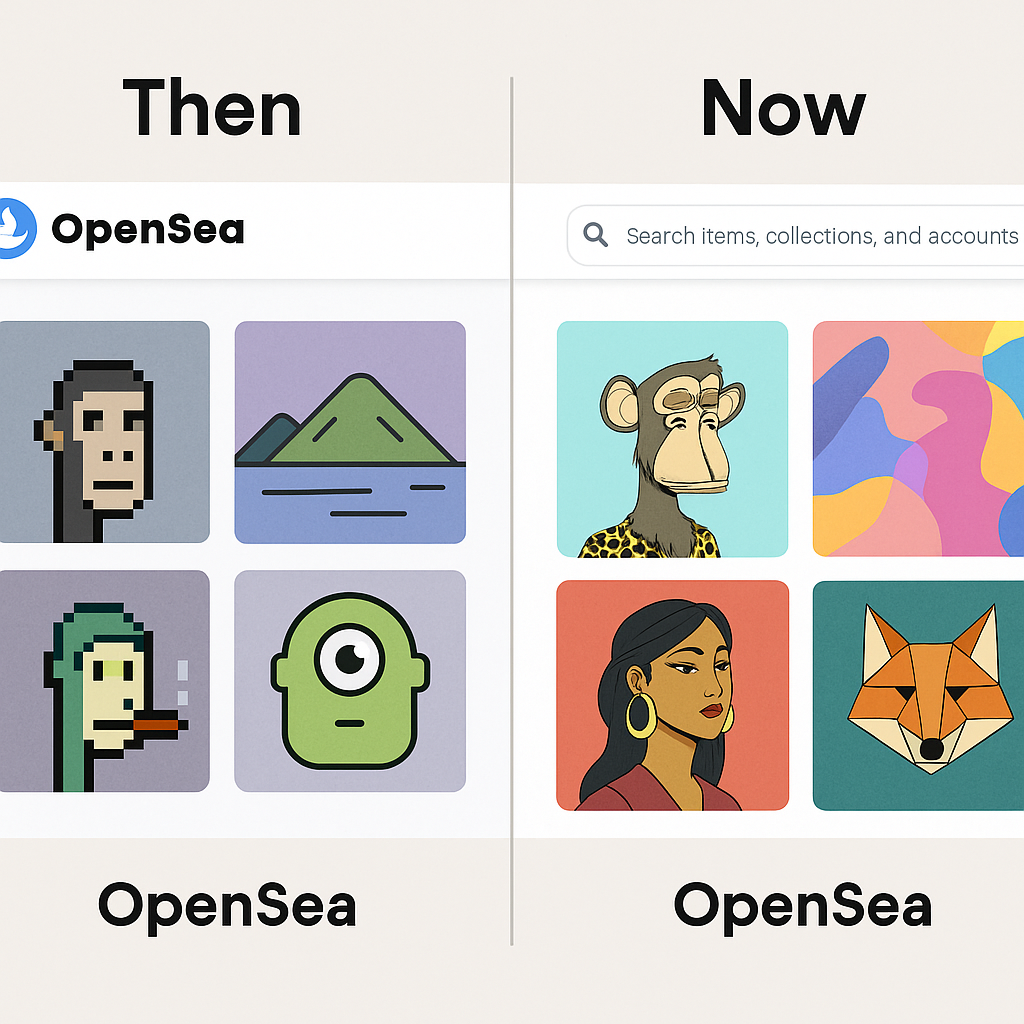
Creators also faced the challenge of branding their tokens. Early marketplaces like OpenSea were very generic, making it hard for anyone to build a distinct identity.
4. Lack of Multi-Chain Support
Most NFT activity was limited to the Ethereum blockchain. There were no easy options to launch NFTs on faster, cheaper chains like Polygon or BSC.
Then Came a Hero
NFTify was launched with a mission to help individuals and businesses unlock the full benefits of NFTs by providing tools and resources while removing entry barriers.
A short excerpt from their whitepaper clearly states their mission:
“Our end-goal is to make mass NFT adoption a reality for the average person, and more people would be able to trade & buy an NFT just like how they would an item sold on a regular eCommerce website.”
About NFTify
The NFTify project was created in July 2021 by Dylan Dong Do and Nikita Ngan Nguyen, with a vision to revolutionize the NFT space by making it accessible to everyone.
- Token Symbol: N1
- Total Supply: 200,000,000 N1
- Network: Ethereum (ERC-20 standard)
Since its inception, NFTify has stayed true to its vision of making the NFT marketplace accessible to all.
Another excerpt from their whitepaper states:
“NFTIFY is an all-in-one platform with a high focus on empowering businesses and emerging entrepreneurs to launch their own NFT marketplace where they can create & sell NFTs within minutes, without coding knowledge or upfront costs involved.”
Progress Since Inception
Zero Coding
Lack of coding knowledge is one of the biggest obstacles for individuals and business owners interested in NFTs. NFTify recognized this and ensured that creating NFTs on their platform requires no coding. Even users with no technical background can easily set up their own store.
Low Cost
The traditional method of creating NFTs is very costly. According to (insert valid source), the average cost of launching an NFT project ranges from (insert value). On NFTify, the basic process of creating an NFT is completely free. Businesses only need to pay for advanced features like marketing analytics tools.
Marketing Tools
Before platforms like NFTify, marketing NFTs was a struggle. But NFTify offers advanced marketing tools, allowing store owners to track, analyze, and use data to build more effective strategies.
Customizable
NFTify allows store owners to fully customize their NFT stores. From logo to layout and color schemes, businesses can tailor their storefronts to reflect their brand. As the platform evolves, these customization options are expected to expand further.
Present Challenges
User Accessibility and Education
NFTs and blockchain technology are still quite complex for the average user. While NFTify has addressed this with user-friendly interfaces and educational resources, the broader industry still faces a steep learning curve.
Conclusion
NFTify has proven itself to be a disruptive force in the NFT space. However, like every innovation, its future depends on how well it adapts to changing consumer behaviors, market demands, and the evolving technological landscape.
메타데이터
- post_id
- 6e91c06b2d6e
- slug
- nftify-a-revolutionizing-project-6e91c06b2d6e
- url
- https://medium.com/@afolabim950/nftify-a-revolutionizing-project-6e91c06b2d6e
- canonical_url
- https://medium.com/@afolabim950/nftify-a-revolutionizing-project-6e91c06b2d6e
- author_url
- https://medium.com/@afolabim950
- status
- ok
- fetched_at
- 2026-07-18 16:02:55