Rain Gardens: The Smart, Natural Solution to Yard Flooding
If your yard turns into a soggy mess every time it rains, you’re not alone. Poor drainage, compacted soil, and increasing storm intensity…
Stormwater Management Rain Gardens: The Smart, Natural Solution to Yard Flooding
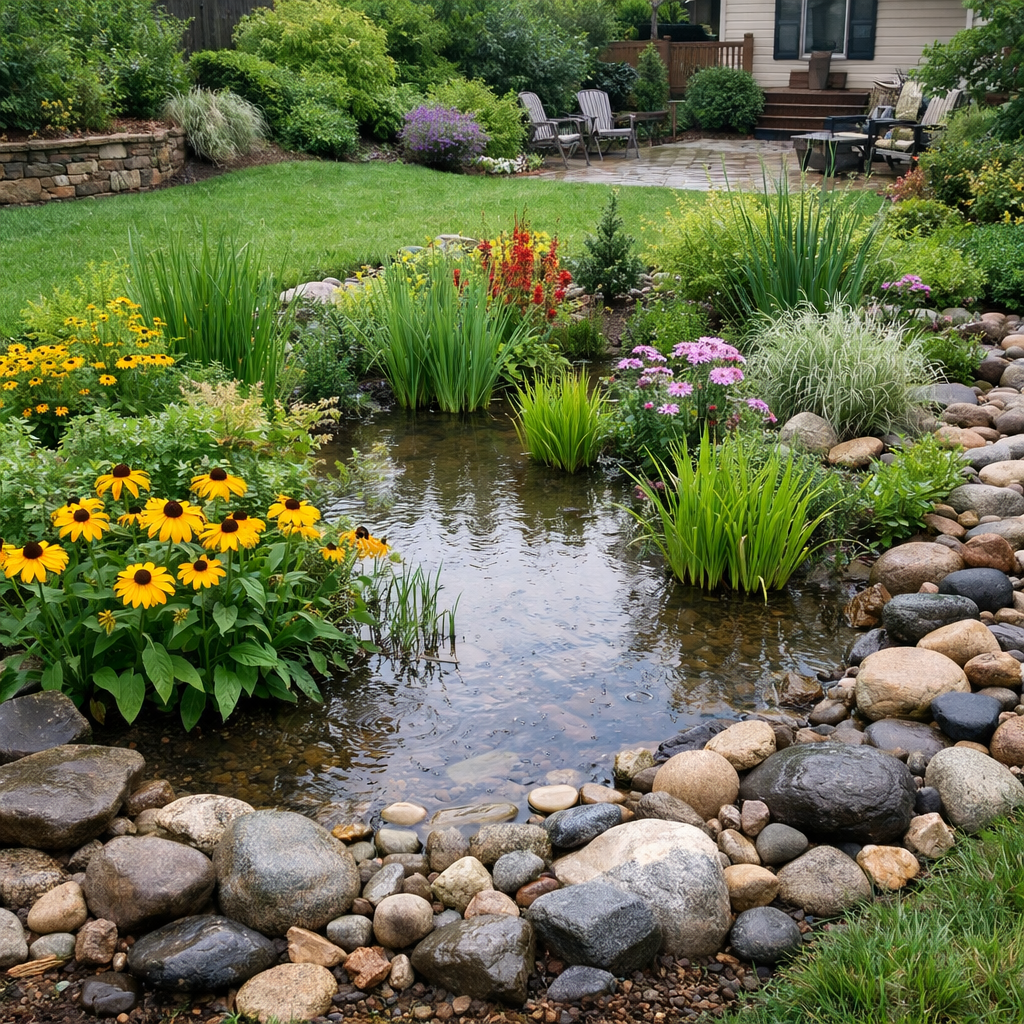
If your yard turns into a soggy mess every time it rains, you’re not alone. Poor drainage, compacted soil, and increasing storm intensity can quickly lead to standing water, erosion, and even damage to your home’s foundation. Fortunately, there’s a beautiful, eco-friendly, and highly effective solution: rain gardens.
A rain garden is more than just a landscaped feature it’s a carefully designed, shallow garden that captures and absorbs rainwater runoff from roofs, driveways, sidewalks, and other hard surfaces. Instead of allowing water to pool in your yard or overwhelm storm drains, a rain garden slows the flow, filters pollutants, and allows water to soak naturally into the ground.
Rain gardens are especially powerful because they work with nature, not against it. By using deep-rooted native plants, these gardens improve soil infiltration, reduce erosion, and help recharge groundwater. Over time, they become self-sustaining landscapes that require less maintenance than traditional lawns while delivering long-term protection against flooding.
One of the biggest advantages of installing a rain garden is how quickly it can improve drainage issues. When designed properly, a rain garden can drain within 24–48 hours after a storm, preventing mosquito breeding and eliminating muddy patches. The soil composition often a blend of sand, compost, and topsoil allows water to move downward efficiently, even during heavy rainfall.
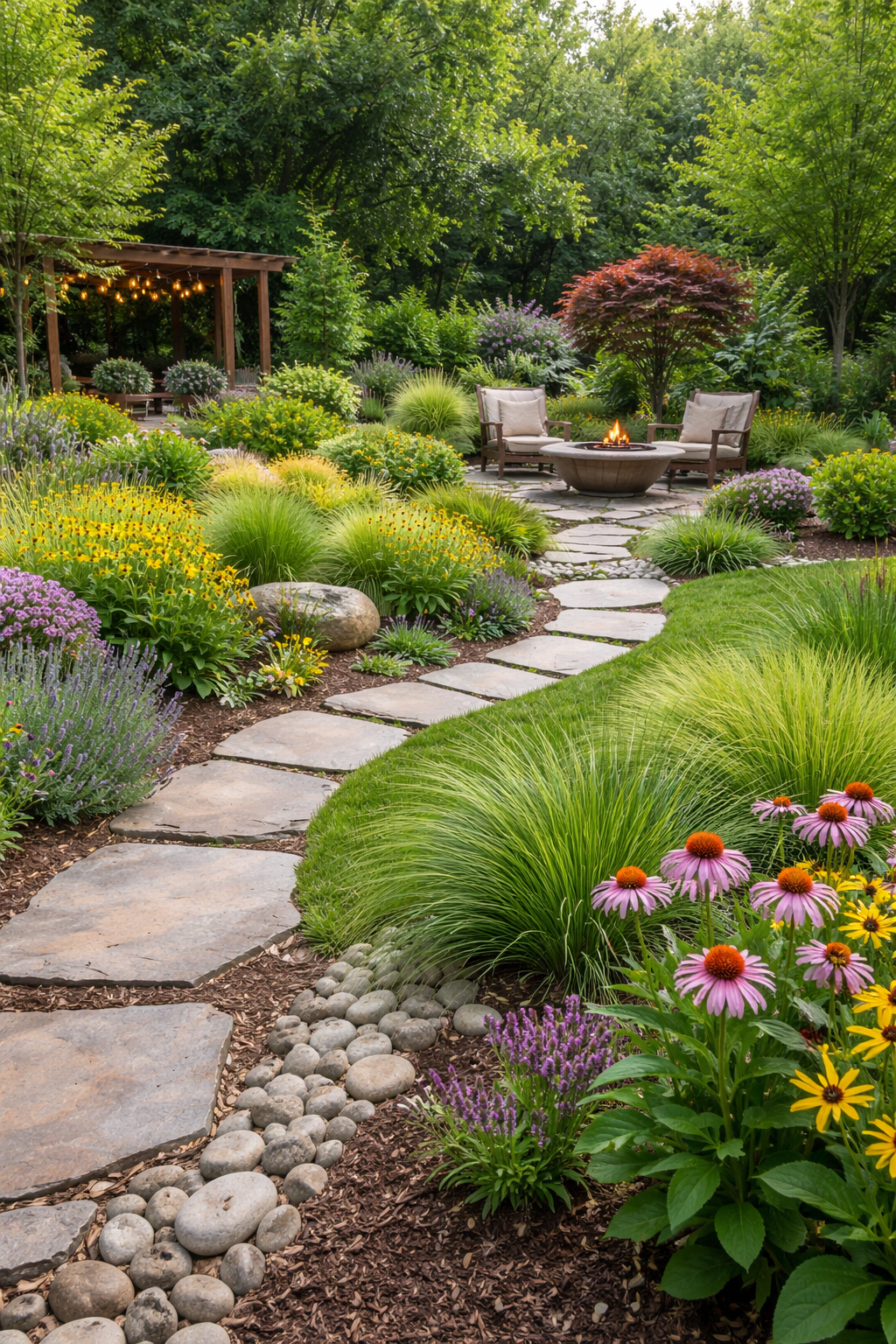
Beyond functionality, rain gardens dramatically enhance curb appeal. They can be designed in a variety of shapes and styles, from natural woodland looks to clean, modern layouts. Blooming perennials, ornamental grasses, and flowering shrubs add color and texture throughout the seasons, turning a once-problematic area into a visual highlight of your landscape.
Rain gardens also play a vital role in environmental protection. As stormwater flows through the garden, plants and soil filter out pollutants such as oil, fertilizers, pesticides, and debris before they reach local waterways. This helps protect rivers, streams, and coastal ecosystems while supporting birds, butterflies, and beneficial insects.
Homeowners who invest in rain gardens often see additional benefits beyond flood prevention. Reduced runoff means less stress on municipal drainage systems, lower risk of basement leaks, and improved soil health across the yard. In some areas, rain gardens may even contribute to increased property value by showcasing sustainable, low-impact landscape design.
If you’re tired of battling puddles, erosion, or waterlogged lawns, a rain garden may be the fast, natural solution your yard needs. With proper planning, professional installation, and the right plant selection, you can transform excess water into a thriving landscape feature that works year after year.
메타데이터
- post_id
- 6ec631da3065
- slug
- rain-gardens-the-smart-natural-solution-to-yard-flooding-6ec631da3065
- url
- https://medium.com/@avalanchelandscaping9/rain-gardens-the-smart-natural-solution-to-yard-flooding-6ec631da3065
- canonical_url
- https://medium.com/@avalanchelandscaping9/rain-gardens-the-smart-natural-solution-to-yard-flooding-6ec631da3065
- author_url
- https://medium.com/@avalanchelandscaping9
- status
- ok
- fetched_at
- 2026-07-15 09:18:48