Massage for Migraines Vancouver: Tension Headache Relief Guide
If you’ve ever Googled “massage for migraines Vancouver” at 2 a.m., you’re not alone. Head pain is miserable — and confusing — because…
Massage for Migraines Vancouver: Tension Headache Relief Guide
If you’ve ever Googled “massage for migraines Vancouver” at 2 a.m., you’re not alone. Head pain is miserable — and confusing — because “migraine” and “tension headache” get mixed together. A good plan starts by naming what you’re dealing with, then treating the most common drivers: neck/jaw tension, poor screen posture, stress load, and sleep disruption.
Featured Answer Box: A massage usually can’t “stop” a migraine in the medical sense, but it may reduce common triggers that keep attacks going — especially neck, jaw, and upper-back tension and stress-driven clenching. For tension headaches, RMT-style massage often helps more directly by restoring neck/upper-back mobility and downshifting the nervous system. The best approach is assessment + a short 2–4 visit test cycle with measurable checkpoints.
1) Migraine vs. tension headache: why the label matters
A quick self-check you can do before booking
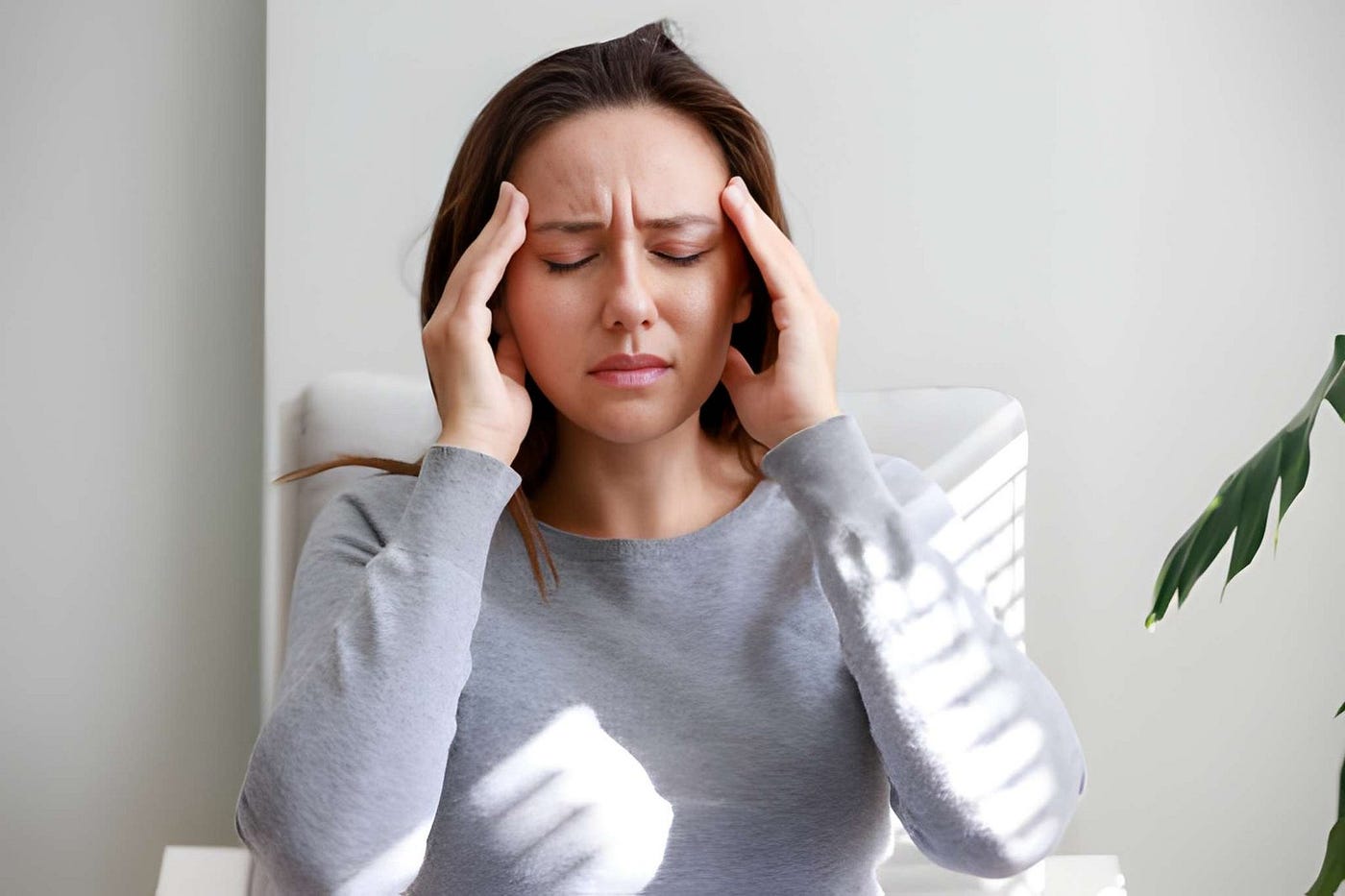
Tension headaches often feel like a tight band or heavy pressure, commonly linked to desk posture, long driving, or jaw clenching. Migraines are more likely to include sensitivity to light/sound, nausea, or a “need to lie down” feeling — sometimes with aura. If your symptoms are changing fast, escalating, or new, treat that as a medical check first — not a massage problem.
Red flags: don’t “massage through” these
Get urgent assessment for the “worst headache of your life,” fever/stiff neck, sudden neurological symptoms (weakness, facial droop, speech trouble), severe dizziness, or head injury with worsening symptoms. Massage can be supportive care, but it’s not emergency care.
2) Can massage stop a migraine?
What massage can do (and what it can’t)
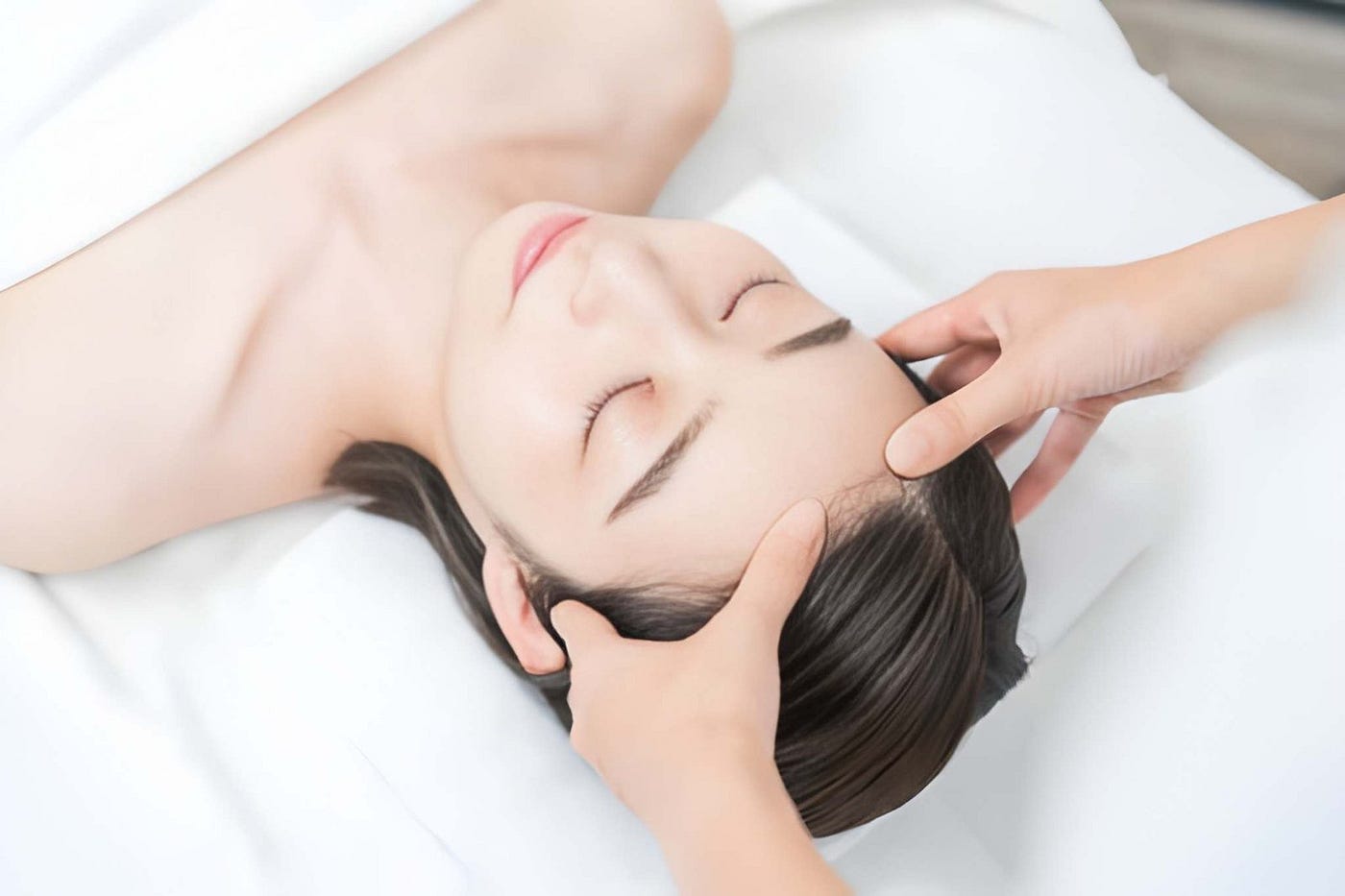
Massage doesn’t replace medical migraine treatment, and it shouldn’t be sold as a cure. What it can do is reduce the mechanical and nervous-system inputs that stack your threshold: tight suboccipitals (base of skull), overworked neck muscles, elevated stress response, and clenching. That’s why people often feel “less wired” after a well-paced session — especially if pressure is kept within tolerance.
When massage helps most
Massage tends to help most when your migraine attacks have clear physical triggers: laptop posture, long phone time, teeth grinding, or upper-back stiffness. If your pattern is “stress week → poor sleep → headache loop,” massage can be one part of breaking the cycle, not the only tool.
3) How an RMT assesses headache patterns (the part people skip)
Assessment → treatment → re-test
For headache-focused care, a strong first visit checks neck range of motion, shoulder blade mechanics, upper-back mobility, and jaw/temple tension. That’s the same desk-worker pathway described in Headache and Neck Pain Relief for Office Workers in Vancouver.
Why “jaw + neck + upper back” is one system
Many people treat the head, but ignore the jaw and upper back. If you clench, grind, or wake with a tight jaw, your temples and neck often overwork together. That’s why TMJ-focused work can matter even if your main complaint is “headache,” as explained in TMJ Massage Vancouver: How RMT Treats Jaw Pain, Clenching & Grinding.
4) What RMTs usually target for tension headache relief
Common tissue targets (without overdoing pressure)
For tension headaches, RMTs often focus on the base of skull, upper traps, levator scapulae, pecs/front shoulders, and upper-back stiffness — because these areas feed forward-head posture. In many cases, lighter, slower work beats “deep” work, especially when you’re already sensitized.
When acupuncture may be the better add-on
If your migraines are frequent, stress-linked, or medication-heavy, you may benefit from pairing hands-on work with acupuncture in a planned way. Our approach is outlined here: Migraine Relief with Acupuncture: Fewer Attacks, Less Medication.
5) What to do between sessions (so you don’t relapse)
The 2-minute reset for screen headaches
Try this every 60 minutes of screen time: (1) 5 slow breaths expanding your ribs 360°, (2) 6 gentle chin tucks (no force), (3) 30 seconds of chest opening against a doorway. This is simple on purpose — because consistency beats intensity.
One practical habit that changes outcomes
Put your screen at eye level and bring it closer so you stop “reaching your head forward.” This one change often reduces neck loading more than any single stretch. If you want a clinic plan built around work posture, start from our RMT Massage East Vancouver page and book a posture-informed session.
6) Who it’s for — and who should be cautious
Good fit
This guide fits you if your headaches track with desk posture, driving, stress weeks, jaw clenching, or upper-back stiffness. It’s also a strong fit if you want a plan you can measure (sleep, headache frequency, range of motion) instead of random one-off sessions.
Cautions
Be cautious if you’re in an active migraine phase and touch worsens symptoms — sometimes a very gentle session or postponing is smarter. Also flag blood thinners, recent concussion, severe dizziness with neck movement, and any neurological symptoms. In those cases, RMT can still be helpful, but the approach must be conservative and coordinated.
7) Local / Map Pack info: booking in East Vancouver
Service area coverage
We prioritize Mount Pleasant access while serving East Vancouver, including Strathcona, Grandview-Woodland / Commercial Drive, Hastings-Sunrise, Kensington-Cedar Cottage, Renfrew-Collingwood, Riley Park–Little Mountain, Victoria-Fraserview, Killarney, Sunset, and Champlain Heights.
Map + booking path
For directions and reviews, open massage for migraines Vancouver on Google Maps.
To book, use our contact page and include: (1) headache type (migraine vs tension), (2) your top trigger (screen, stress, jaw, sleep), (3) what makes it worse, (4) whether you need an RMT receipt.
NAP: Loong Wellness • 560 Kingsway, Vancouver, BC • (604) 620–6560 • booking@loongwellness.ca • Sun–Fri 09:00–18:00
Disclaimer: This content is educational and does not replace medical diagnosis or emergency care. If you have severe, sudden, or worsening symptoms, or neurological red flags, seek urgent medical assessment.
Conclusion
Massage doesn’t “cure” migraines, but it can be a smart part of a realistic plan — especially when your attacks are fueled by neck/jaw tension, screen posture, stress load, and poor sleep. For tension headaches, RMT-style care often helps more directly by restoring upper-back and neck mechanics and reducing guarding. The key is structure: assessment, targeted treatment, a short 2–4 visit test cycle, and one or two habits you’ll actually repeat. If you want predictability, measure what changes: frequency, intensity, and how your body tolerates a normal workday.
FAQ
1) Can massage help during an active migraine?
Sometimes, but it depends on sensitivity. If touch, light, or sound makes everything worse, gentle work (or postponing) may be smarter than deep pressure. Many people do better booking between attacks to reduce triggers like jaw clenching, neck stiffness, and stress load.
2) Is this more for tension headaches than migraines?
The clearest results are often with tension headaches, especially when the driver is desk posture or upper-back stiffness. For migraines, massage is usually supportive — helping lower physical triggers and stress response — while medical management or acupuncture may still be part of your overall plan.
3) Do you treat headaches near Commercial Drive or Hastings-Sunrise?
Yes. We serve East Vancouver neighbourhoods including Grandview-Woodland / Commercial Drive and Hastings-Sunrise, with Mount Pleasant as the priority access point. When you book, mention your area and timing constraints so we can suggest practical appointment options.
4) How many sessions should I try before deciding?
A reasonable starting point is a 2–4 visit test cycle with checkpoints: headache frequency, intensity, neck range of motion, and how you tolerate workdays. If nothing changes after a properly targeted plan, that’s useful data — we adjust approach or suggest another provider pathway.
5) How much does massage cost, and what length is best for headaches?
Pricing varies by session length and whether you’re booking RMT. For a headache plan, 60 minutes is often the sweet spot because it allows assessment, treatment, and a brief home plan. For local fee ranges, see our guide: How Much Does Massage Therapy Cost in Mount Pleasant?
6) Are RMT sessions covered by extended health, and do you provide receipts?
Many extended health plans cover RMT, but coverage depends on your insurer, annual limits, and sometimes referral rules. RMT receipts are commonly used for reimbursement. If insurance workflow matters, tell us your insurer name when booking so the receipt/direct-billing process is clear.
메타데이터
- post_id
- 6ed15f5c1663
- slug
- massage-for-migraines-vancouver-tension-headache-relief-guide-6ed15f5c1663
- url
- https://medium.com/@randyamzing/massage-for-migraines-vancouver-tension-headache-relief-guide-6ed15f5c1663
- canonical_url
- https://medium.com/@randyamzing/massage-for-migraines-vancouver-tension-headache-relief-guide-6ed15f5c1663
- author_url
- https://medium.com/@randyamzing
- status
- ok
- fetched_at
- 2026-06-17 08:20:12