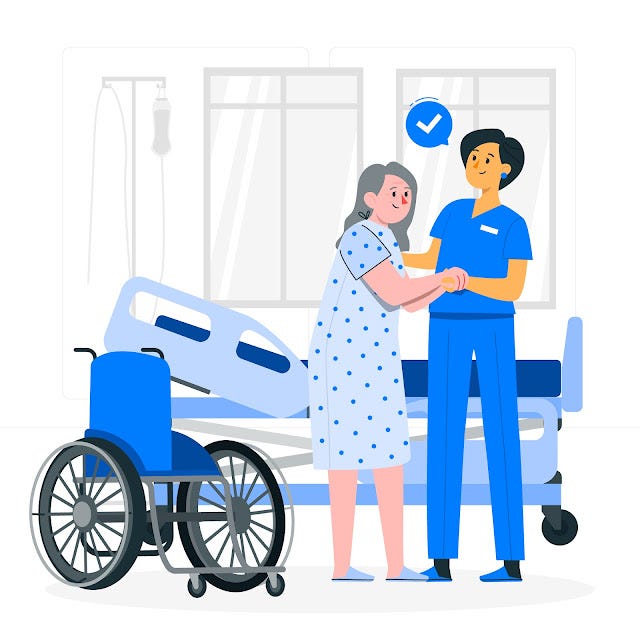
The Impact of Remote Patient Monitoring on Healthcare Costs and Efficiency
Cloudpital # 1 is one of the top Remote Patient Monitoring industries worldwide and is undergoing a significant transformation, largely…
The Impact of Remote Patient Monitoring on Healthcare Costs and Efficiency

Cloudpital # 1 is one of the top Remote Patient Monitoring industries worldwide and is undergoing a significant transformation, largely driven by advances in technology. One of the most promising innovations reshaping the landscape is Remote Patient Monitoring (RPM). RPM involves the use of connected devices and digital tools to monitor patients’ health data remotely, enabling continuous assessment and intervention without the need for frequent hospital visits. This technology has become particularly valuable in managing chronic diseases, post-operative care, and elderly patients, who often require regular monitoring.
**Click to Start Whatsapp Chatbot with Sales**
Mobile: +966547315697
**Email: sales@cloudpital.com**
Cloudpital # 1 Remote Patient Monitoring

Reducing Hospital Admissions and Readmissions
One of the most immediate and noticeable impacts of **Remote Patient Monitoring** on healthcare costs is its ability to reduce hospital admissions and readmissions. Chronic conditions like diabetes, heart disease, and respiratory problems are prevalent in Saudi Arabia, contributing to a high rate of hospitalizations. RPM enables healthcare providers to monitor these patients in real-time, detecting any changes in their condition early enough to intervene before hospitalization becomes necessary.
Impact on Costs: Reducing hospital admissions through RPM can lead to significant cost savings for both healthcare providers and patients. Fewer hospital stays mean lower expenses related to room charges, staff time, and medical resources. In Saudi Arabia, where healthcare is heavily subsidized by the government, RPM can alleviate some of the financial burden on the national healthcare system by decreasing the demand for inpatient services.
Impact on Efficiency: By reducing hospital readmissions, RPM enhances the overall efficiency of the healthcare system. Hospitals can allocate their resources more effectively, focusing on critical patients rather than those whose conditions could be managed remotely. This also alleviates overcrowding in hospitals, reducing wait times and ensuring that healthcare professionals can provide better care to those who need it most.
Enabling Proactive and Preventive Care
Traditionally, healthcare systems have been reactive, with patients only seeking care when symptoms worsen or emergencies occur. RPM shifts this model toward a more proactive approach by continuously collecting data that allows for early detection of potential health issues. This data-driven approach enables healthcare providers to intervene at the earliest stages of a disease, often before the patient even notices any symptoms.
In Saudi Arabia, where chronic diseases are among the leading causes of death, RPM can be instrumental in promoting preventive care. For instance, patients with diabetes can use RPM devices to monitor their blood sugar levels in real-time, enabling early intervention if their levels begin to fluctuate. Similarly, RPM can be used to track weight, oxygen levels, or activity in elderly patients, allowing for timely adjustments to their care plans.
Impact on Costs: Proactive and preventive care through RPM reduces the need for emergency interventions, which are often more expensive than routine care. Early detection and management of health conditions prevent complications, which could otherwise lead to costly treatments or surgeries. This cost-saving potential is particularly important in countries like Saudi Arabia, where the rising incidence of chronic diseases is placing a growing strain on healthcare budgets.
Impact on Efficiency: **Remote Patient Monitoring** improves the efficiency of healthcare systems by shifting the focus from reactive treatment to preventive care. Healthcare providers can use real-time data to make informed decisions about patient care, optimizing resource allocation and reducing the need for emergency care. This data-driven approach ensures that healthcare professionals can prioritize patients who require urgent attention while maintaining continuous monitoring of those who are stable.

Improving Patient Compliance and Engagement
A significant challenge in healthcare, particularly for patients with chronic conditions, is non-compliance with treatment plans. Non-compliance can lead to the deterioration of health, increased hospitalizations, and higher healthcare costs. **EHR Systems in Saudi Arabia** addresses this challenge by actively engaging patients in their own care. Through connected devices and mobile apps, patients can monitor their health data and receive real-time feedback, empowering them to take a more active role in managing their conditions.
For instance, RPM devices can send reminders to patients to take their medications, monitor their vitals, or perform prescribed exercises. This consistent engagement helps patients stay on track with their treatment plans, reducing the likelihood of complications.
Impact on Costs: Improving patient compliance through RPM can lead to fewer complications and hospital visits, which directly translates into cost savings for both healthcare providers and patients. Moreover, by engaging patients in their care, RPM reduces the need for frequent follow-up visits, as patients can remotely share their health data with their doctors.
Impact on Efficiency: With RPM, healthcare professionals can monitor patient compliance remotely, reducing the need for in-person appointments while ensuring that patients are adhering to their treatment plans. This allows healthcare providers to focus their time and resources on patients who require more intensive care, improving overall efficiency.
Reducing the Need for In-Person Consultations
RPM significantly reduces the need for frequent in-person consultations, especially for patients with stable conditions. Traditionally, patients with chronic diseases or those recovering from surgery may require regular check-ups to monitor their progress. These visits can be time-consuming for both the patient and healthcare provider and may not always be necessary.
With RPM, patients can monitor their vital signs and health data from the comfort of their homes and share this data with their healthcare providers. Virtual consultations can be scheduled only when necessary, reducing the need for routine in-person visits.
Impact on Costs: Reducing in-person consultations translates to lower healthcare costs, as fewer resources are needed for routine check-ups. Patients save on travel expenses, and healthcare providers can reduce operational costs related to staffing and facility management.
Impact on Efficiency: By minimizing the need for in-person visits, RPM allows healthcare providers to optimize their schedules and allocate more time to patients who require face-to-face care. This improved workflow enhances the overall efficiency of healthcare delivery, as doctors can monitor more patients remotely without compromising the quality of care.
Enhancing Chronic Disease Management
Chronic diseases, such as diabetes, hypertension, and cardiovascular diseases, are a significant burden on healthcare systems worldwide. In Saudi Arabia, the prevalence of these conditions is high, and managing them requires continuous monitoring and regular care. RPM offers a solution to this challenge by enabling real-time monitoring of patients’ conditions.
For instance, a patient with hypertension can use an RPM device to track their blood pressure throughout the day. This data can be automatically transmitted to their healthcare provider, who can then adjust the patient’s treatment plan as needed. RPM helps prevent complications such as strokes or heart attacks by enabling timely interventions.
Impact on Costs: Effective chronic disease management through RPM reduces the long-term costs associated with treating complications. By preventing acute episodes and hospitalizations, RPM helps alleviate the financial burden on healthcare systems and patients. In Saudi Arabia, where chronic diseases are a growing concern, RPM can play a critical role in controlling healthcare costs.
Impact on Efficiency: RPM streamlines the management of chronic diseases by providing healthcare providers with continuous data, enabling them to make timely adjustments to treatment plans. This reduces the need for emergency interventions and hospitalizations, improving the overall efficiency of chronic disease care.
Facilitating Elderly Care
Saudi Arabia is experiencing a demographic shift, with an aging population that will require more healthcare resources in the coming years. Elderly patients often have multiple chronic conditions and require frequent monitoring. RPM offers a solution by enabling elderly patients to receive continuous care at home, reducing the need for hospital visits and improving their quality of life.
Impact on Costs: RPM reduces the costs associated with elderly care by minimizing the need for hospital admissions and in-person consultations. Additionally, remote monitoring can prevent falls, infections, and other complications that are common among the elderly, leading to further cost savings.
Impact on Efficiency: **PMS** enhances the efficiency of elderly care by allowing healthcare providers to monitor multiple patients remotely. This reduces the strain on hospitals and caregivers while ensuring that elderly patients receive the care they need without the burden of frequent travel.
Conclusion
Remote Patient Monitoring (RPM) is revolutionizing healthcare by reducing costs and improving efficiency across the board. In Saudi Arabia, where healthcare systems are grappling with rising costs, an aging population, and a high prevalence of chronic diseases, RPM offers a way to provide better care while optimizing resource allocation. By reducing hospital admissions, enabling proactive care, improving patient compliance, and streamlining consultations, RPM is paving the way for a more cost-effective and efficient healthcare system.
As Saudi Arabia continues to modernize its healthcare sector under Vision 2030, the adoption of RPM will play a critical role in achieving these goals, benefiting both healthcare providers and patients alike.
Clouldpital Specialty:
- Dentistry EMR
- Nephrology EMR
- Community Health EMR
- Hematology EMR
- Psychiatry EMR
- Psychiatry EMR
- Ophthalmology EMR
- Pain Management EMR
- Plastic Surgery EMR
- Internal Medicine EMR
- Physical Therapy EMR
- Dermatology EMR
- Pediatrics EMR
- ENT EMR
- Mental Health EMR
- Podiatry EMR
- Gynecology EMR
- Cardiology EMR
- Family Practice EMR
- Orthopedic Surgery EMR
- Neurology EMR
- Diabetology EMR
- Pulmonary EMR
- Gastroenterology EMR
- Urology EMR
**Click to Start Whatsapp Chatbot with Sales**
Mobile: +966547315697
**Email: sales@cloudpital.com**
12–9–2024
메타데이터
- post_id
- 6ed7d922bf80
- slug
- the-impact-of-remote-patient-monitoring-on-healthcare-costs-and-efficiency-6ed7d922bf80
- url
- https://medium.com/@davidjihni45/the-impact-of-remote-patient-monitoring-on-healthcare-costs-and-efficiency-6ed7d922bf80
- canonical_url
- https://medium.com/@davidjihni45/the-impact-of-remote-patient-monitoring-on-healthcare-costs-and-efficiency-6ed7d922bf80
- author_url
- https://medium.com/@davidjihni45
- status
- ok
- fetched_at
- 2026-07-16 04:37:08