Water & Logistics Management on Mount Rinjani: Safe Water Sources Every Hiker Should Know
When preparing for a Mount Rinjani trek, many hikers focus on gear such as jackets, hiking boots, sleeping bags, and cameras. However, one…
Water & Logistics Management on Mount Rinjani: Safe Water Sources Every Hiker Should Know
When preparing for a Mount Rinjani trek, many hikers focus on gear such as jackets, hiking boots, sleeping bags, and cameras. However, one critical factor often receives far less attention than it deserves: water and logistics management.
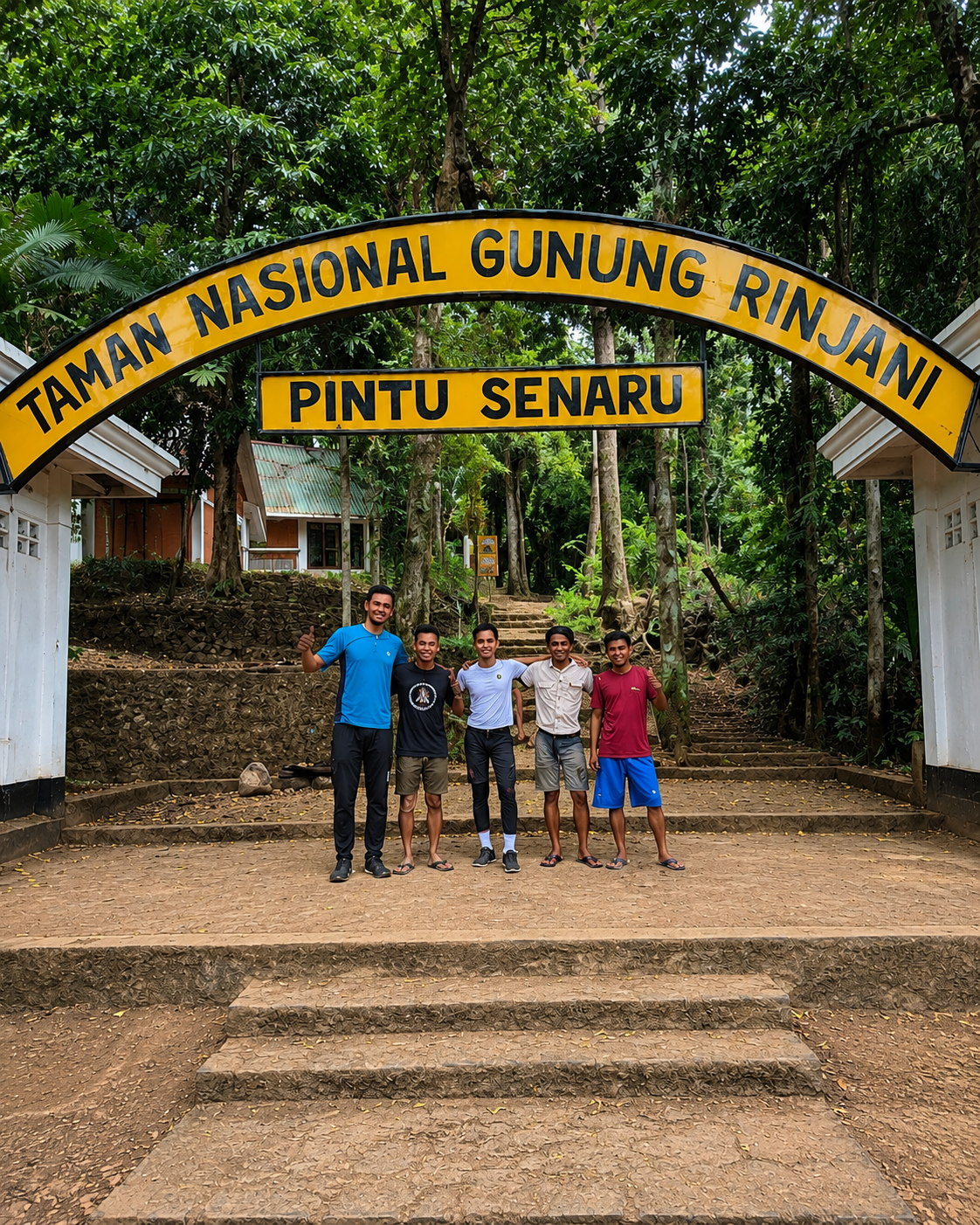
photo by ojik
Dehydration is one of the most common challenges faced by hikers on Mount Rinjani. Long trekking distances, steep climbs, intense sun exposure, and dry mountain air can cause the body to lose fluids much faster than many people realize.
Understanding where to find water sources and how to manage your water supply effectively is an essential part of planning a safe and enjoyable trek.
This guide will introduce the most commonly used water sources on Mount Rinjani and provide practical tips for managing water and logistics throughout your adventure.

photo by ojik
Why Is Water Management So Important on Mount Rinjani?
Standing at 3,726 meters (12,224 feet) above sea level, Mount Rinjani is one of Indonesia’s most challenging trekking destinations.
Several factors contribute to increased water consumption during the hike:
- High levels of physical activity
- Strong sun exposure in the savanna areas
- Long uphill sections
- Dry mountain air
- Significant elevation gain
Insufficient hydration can lead to:
- Fatigue
- Headaches
- Muscle cramps
- Dizziness
- Reduced concentration
- Increased risk of heat exhaustion
In more serious cases, dehydration can affect judgment and increase the risk of accidents on the trail.

photo by ojik
How Much Water Do You Need While Trekking Rinjani?
Water requirements vary depending on fitness level, weather conditions, and trekking intensity. As a general guideline:
Moderate Hiking Conditions
- 2–3 liters per day
Intensive Trekking Days
- 3–5 liters per day
During summit attempts, water consumption often increases due to the higher energy expenditure required. Since carrying large amounts of water from the trailhead adds significant weight, most trekkers rely on water sources available along the route.
Common Water Sources on Mount Rinjani
Water Source Near Sembalun Post 2
Along the Sembalun route, hikers can find a water source near Post 2. This is often one of the last convenient refill points before entering the open savanna sections of the trail. However, water flow may vary depending on the season and weather conditions.
Water Sources Around Sembalun Crater Rim
Some trekking operators have access to water collection points used for campsite logistics near the Sembalun Crater Rim. These sources are not always easily accessible for independent hikers. Therefore, it is important to consult your guide before relying on them as your primary refill location.
Segara Anak Lake
Segara Anak Lake is the largest water source within the Mount Rinjani area. Although the lake water is not suitable for direct consumption, it can be safely used after proper treatment through:
- Filtration
- Boiling
- Water purification tablets
- Portable purification systems
Many trekking operators use water from the lake area for cooking and camp logistics after treatment.
Aik Kalak Spring
Aik Kalak is one of the most popular and reliable water sources near Segara Anak Lake. Located close to the hot springs and camping areas, this spring is frequently used by hikers, guides, and porters. Its relatively stable flow throughout the trekking season makes it one of the most dependable water sources on the mountain.
Senaru Crater Rim Water Sources
Along the Senaru route, several water points are commonly used by local guides and porters. Since water availability can change over time, hikers should always seek the latest information from trekking operators or local guides before departure.
Is Water on Mount Rinjani Safe to Drink?
Many hikers assume that all mountain water is naturally safe to drink. Unfortunately, this is not always true.
Even crystal-clear water may contain:
- Bacteria
- Parasites
- Microorganisms
- Natural contaminants
- Animal waste
For safety reasons, all water collected from natural sources should be treated before drinking.
Recommended Water Treatment Methods
Boiling
Boiling remains one of the safest and most reliable methods for eliminating harmful microorganisms.
Portable Water Filters
Lightweight filtration systems have become increasingly popular among hikers and backpackers.
Water Purification Tablets
Compact and easy to carry, purification tablets are ideal for multi-day trekking trips.
UV Water Purifiers
Modern UV purification devices can effectively neutralize bacteria and microorganisms without affecting taste.
The Role of Porters in Water and Logistics Management
Many hikers do not realize that one of the most demanding responsibilities of Rinjani porters is managing water supplies throughout the trek.
Porters are often responsible for:
- Collecting water from nearby sources
- Transporting water to campsites
- Providing drinking water
- Preparing water for cooking
- Managing food and camp logistics
Their work ensures that trekking groups have access to essential resources even in remote mountain environments.
Tips for Conserving Water During Your Trek
Drink Regularly
Do not wait until you feel thirsty before drinking. By the time thirst appears, mild dehydration may have already begun.
Use Hydration Packs or Water Bottles
Easy access to water encourages more consistent hydration throughout the day.
Avoid Carrying Excessive Water
Instead of carrying unnecessary weight, plan your refills at safe and reliable water sources.
Use Electrolytes
Electrolyte drinks help replace minerals lost through sweat and can improve hydration efficiency.
Monitor Urine Color
Dark-colored urine is often one of the earliest signs of dehydration.
Common Water Management Mistakes
Many hikers make avoidable mistakes during their trek.
Carrying Too Little Water
Relying on water sources that may be unavailable can create serious problems.
Carrying Too Much Water
Excessive water weight can increase fatigue and slow your pace.
Not Knowing Water Source Locations
Poor planning can make water management much more difficult than necessary.
Drinking Only When Thirsty
Waiting for thirst signals often means you are already dehydrated.
Ignoring Weather Conditions
Hot and sunny days can dramatically increase water requirements.
Why Proper Planning Matters
Water availability on Mount Rinjani can change depending on:
- Dry or rainy seasons
- Trail conditions
- Volcanic activity
- National park regulations
For this reason, hikers should always obtain updated information from:
- Trekking operators
- Local guides
- National park authorities
Do not rely solely on outdated online information when planning your trek.
Final Thoughts
Water and logistics management are among the most important aspects of a successful Mount Rinjani trek, yet they are often overlooked by first-time hikers. Understanding where water sources are located, knowing how to purify water safely, and planning your hydration strategy properly can significantly improve both safety and comfort on the mountain.
Remember, a successful Rinjani trek is not just about reaching the summit. It is about being prepared, managing resources wisely, and staying safe throughout the journey.
Before setting foot on the trail, make sure you understand where reliable water sources are located and always have a backup plan in case conditions change unexpectedly.
메타데이터
- post_id
- 6ee5e4e30d14
- slug
- water-logistics-management-on-mount-rinjani-safe-water-sources-every-hiker-should-know-6ee5e4e30d14
- url
- https://medium.com/@ojik.sudiarto/water-logistics-management-on-mount-rinjani-safe-water-sources-every-hiker-should-know-6ee5e4e30d14
- canonical_url
- https://medium.com/@ojik.sudiarto/water-logistics-management-on-mount-rinjani-safe-water-sources-every-hiker-should-know-6ee5e4e30d14
- author_url
- https://medium.com/@ojik.sudiarto
- status
- ok
- fetched_at
- 2026-06-20 20:29:01




