Why Is the South China Sea a Strategic Region for Different Actors?
✍️ Apolítik0 → ← PGT
Why Is the South China Sea a Strategic Region for Different Actors?
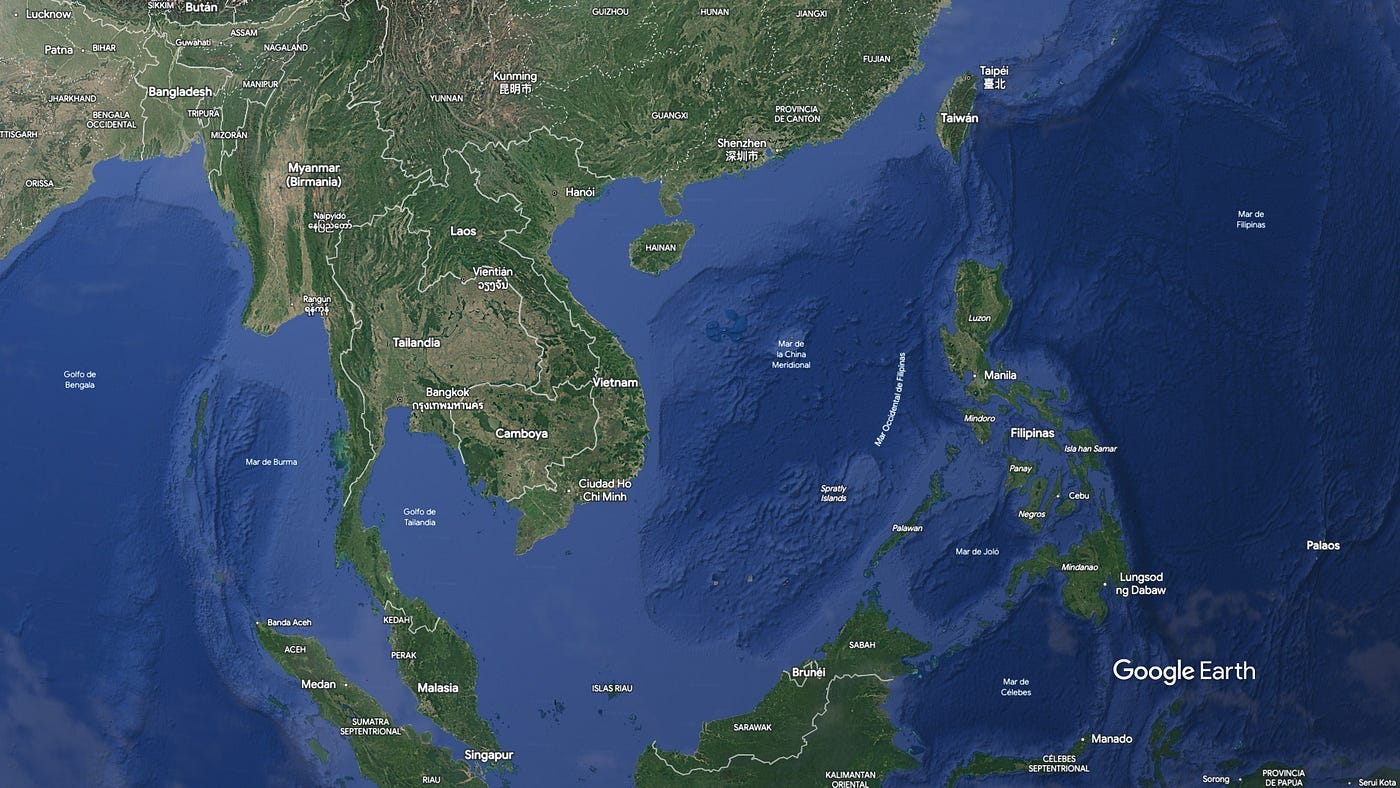
Explore the South China Sea Strategic Node in Zoom Earth and observe, in near real time, the atmospheric and oceanic conditions that influence this strategic maritime space. This dynamic perspective complements the analysis presented in this Palindromic Strategic Note.
✍️ Apolítik0 → ← PGT
∞ → ← ∞
Strategic Node: South China Sea / ERE Axis: Region
The strategic importance of a region is determined not only by its geographical characteristics but also by how different actors perceive the opportunities and risks associated with that space. The South China Sea illustrates this dynamic particularly well. Although the same maritime region is shared by multiple actors, each assigns it a distinct strategic value based on its own security priorities, economic interests, legal claims, and long-term geopolitical objectives.
For China, the South China Sea represents a critical component of its maritime security, regional influence, and access to the broader Indo-Pacific. Maintaining a sustained presence in this maritime space supports the protection of sea lines of communication, strengthens strategic depth, and reinforces Beijing’s ability to safeguard national interests.
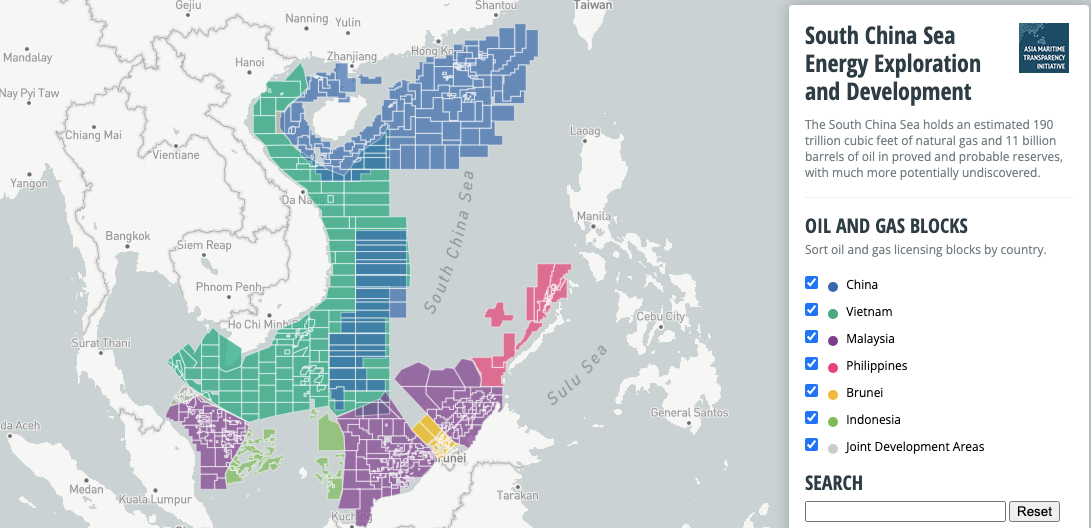
For the Philippines, Vietnam, Malaysia, and Brunei, the region is closely linked to sovereign rights, maritime jurisdiction, fisheries, and potential offshore energy resources. Preserving access to these areas is not only an economic priority but also a matter of national security and territorial integrity.
Taiwan also attributes significant strategic value to the South China Sea. The security of its maritime communications, the continuity of international trade, and the stability of the surrounding maritime environment make the region an essential component of its broader strategic planning.
For the United States, the South China Sea remains central to maintaining freedom of navigation, preserving a favorable regional balance, and supporting an open Indo-Pacific. Japan, Australia, India, and several European partners share similar interests, viewing regional stability as essential for secure maritime trade, economic resilience, and the preservation of a rules-based international order.
These different perspectives demonstrate that the South China Sea is not strategically important for a single reason. It is a strategic node where multiple national interests converge simultaneously, generating continuous interaction among regional and extra-regional actors. Rather than producing a single form of competition, this convergence creates an environment in which cooperation, deterrence, diplomatic engagement, and strategic signaling coexist and evolve over time.
Understanding why different actors assign strategic value to the South China Sea provides a broader perspective on the region. Its importance lies not only in what it contains, but in the diverse functions it performs for those seeking to shape the political, economic, legal, and security dynamics of the Indo-Pacific.
Strategic Event
The sustained implementation of differentiated political, diplomatic, legal, economic, and military strategies by regional and extra-regional actors to strengthen their strategic position within the South China Sea.
Observable Indicator
Continued naval patrols, joint military exercises, diplomatic initiatives, legal proceedings, infrastructure development, and freedom of navigation operations conducted by multiple actors across the region.
Observable Variable
Differentiated Strategic Value
Definition
The process through which the same strategic region acquires distinct strategic meanings for different actors according to their interests, capabilities, risk perceptions, and long-term objectives.
Operational Status
Consolidating.
Systemic Observation
The South China Sea derives its strategic significance not from a single characteristic but from the diversity of strategic functions it performs for multiple actors. This differentiated perception of the same region sustains continuous interaction and reinforces its position as one of the principal strategic nodes of the Indo-Pacific.
∞ → El equilibrio decide ← ∞
∞ ⟷ ∞
메타데이터
- post_id
- 6f3a05cbf7f4
- slug
- why-is-the-south-china-sea-a-strategic-region-for-different-actors-6f3a05cbf7f4
- url
- https://medium.com/tgp-strategic-notes/why-is-the-south-china-sea-a-strategic-region-for-different-actors-6f3a05cbf7f4
- canonical_url
- https://medium.com/tgp-strategic-notes/why-is-the-south-china-sea-a-strategic-region-for-different-actors-6f3a05cbf7f4
- author_url
- https://medium.com/@apolitik0
- status
- ok
- fetched_at
- 2026-07-13 06:23:13