Why Talking About Social Justice Gets Me Labeled ‘Woke’ by Christians
When Jesus’ Message of Justice Is Lost in Modern Labels
Why Talking About Social Justice Gets Me Labeled ‘Woke’ by Christians
When Jesus’ Message of Justice Is Lost in Modern Labels
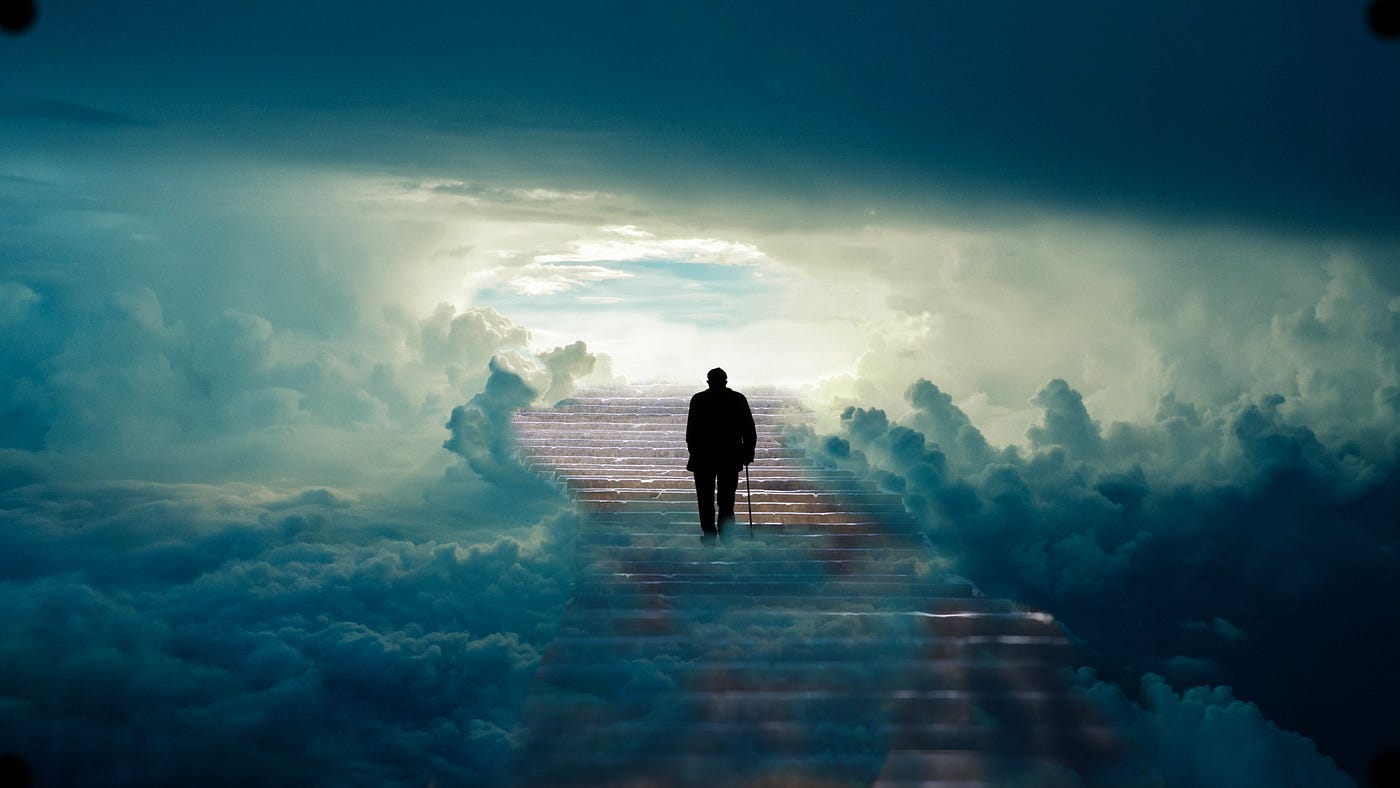
Photo by Ying Ge on Unsplash
“Mixing religion and politics is like mixing ice cream and manure. It doesn’t do much to the manure, but it sure does ruin the ice cream.” — Tony Campolo
I like to rock the boat. I reckon the church needs it. I’ve long been convinced that the church needs saving just as much as the rest of the world does — maybe more!
The person who has probably influenced me most in my life, the late Australian preacher, John Smith, was known for rocking the boat too. He was a preacher in the style of the Old Testament prophets. He pulled no punches and spoke out about the church’s often poor track record on social justice. And he spoke with authority because he gave his whole life to the care of marginalized people.
He walked his talk.
Smithy was a friend of U2’s Bono, and at Smith’s funeral some years ago, a tribute from Bono was read to the congregation. In his tribute, Bono said that he once reminded Smith that he was seen as a heretic by many Christians. Apparently, Smithy’s reply to Bono was, “You mean like Jesus, matey?”
Why is it that Christians are more concerned about their political labels than about being labeled as followers of Jesus? Why does our politics often inform our faith more than our faith informs our politics?
At the height of the Cold War, the Brazilian Roman Catholic Archbishop, Dom Helder Camara, said:
“When I feed the poor, they call me a saint; when I ask why the poor have no food, they call me a communist.”
Camara was lamenting the fact that Christians aren’t known for asking uncomfortable questions that threaten the status quo. We’re not bad at feeding the poor (at times!), but when it comes to asking the hard questions that challenge our lifestyles, the language all of a sudden becomes ‘political.’ We get called ‘woke’ or ‘liberal’ or ‘one of those social justice warriors.’
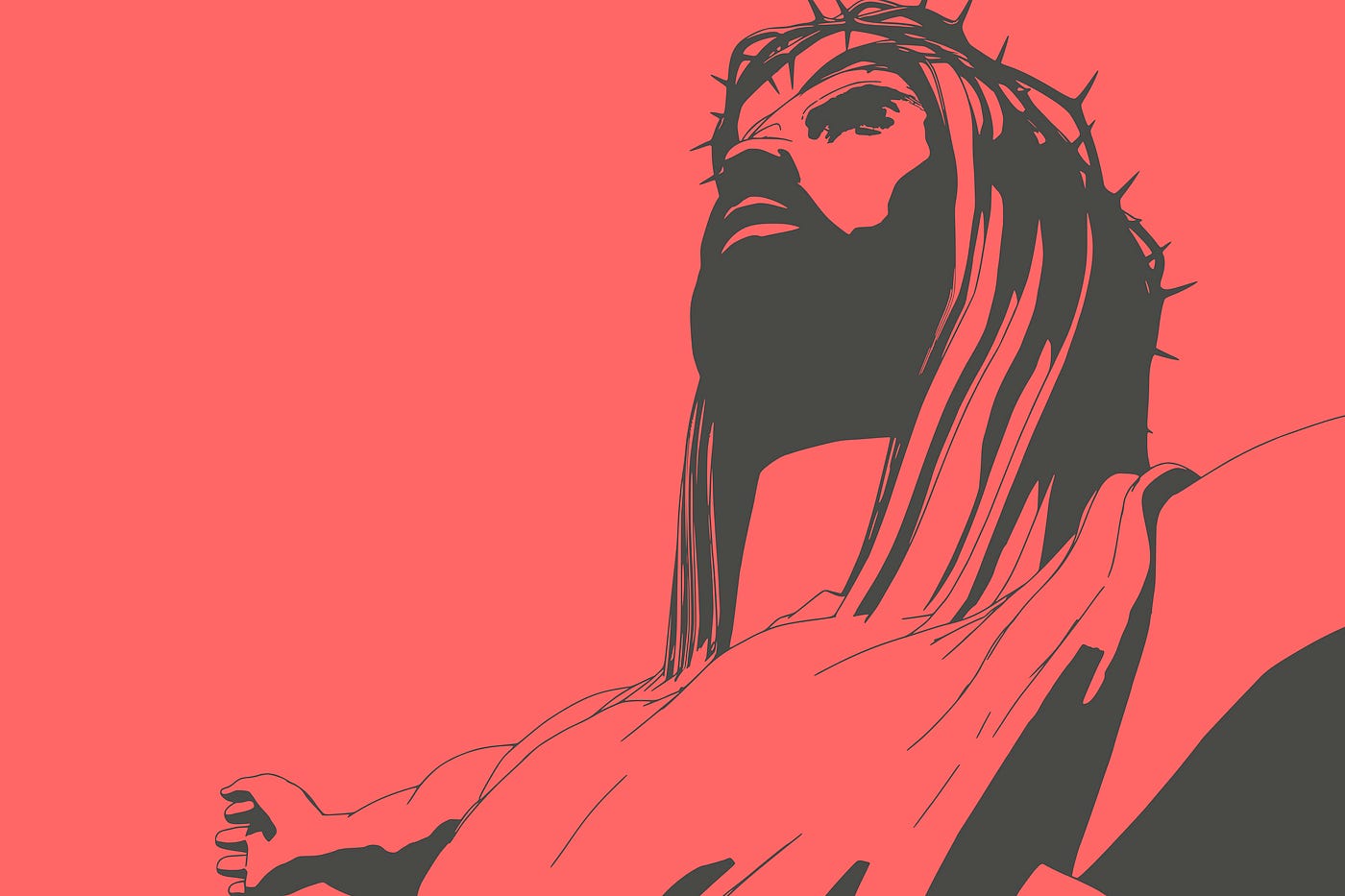
Photo by Li-An Lim on Unsplash
Politics, or the politics of Jesus?
I think the love for labels that Christians have has something to do with our obsession with certainty and a fear of things not being cookie-cutter, straight and narrow. When we talk about poverty or injustice, we’re often called ‘socialist’ or ‘leftie’ or ‘progressive’ or some other label like that. And it’s generally by people who wouldn’t even know what something like socialism actually is.
When Scott Morrison became Prime Minister of my country of Australia in 2018, there was a whole lot of media coverage of his Christian faith. Lots of Christians had a field day and became too mixed up in the pure politics of some of his positions. Other Christians were predictably called ‘lefties’ or ‘bleeding heart liberals’ when they denounced Morrison’s stance on asylum seekers or his openness at the time to moving the Australian Embassy in Israel from Tel Aviv to Jerusalem. On the other side of the political aisle, Christians who supported those moves were labeled as being ‘on the Right,’ ‘conservative,’ or even ‘bigoted.’
This sort of thing is nothing new, of course. It’s been going on for years. The Australian pastor, Steve Barrington, has pointed out that what is commonly called the Magnificat — Mary’s Song — in Luke 1:46–55 has been banned from public recitation on more than one occasion. Maybe it’s these lines from Mary’s song that rubs certain people up the wrong way:
“He has brought down rulers from their thrones but has lifted up the humble. He has filled the hungry with good things but has sent the rich away empty.”
During British rule in India, the singing of the Magnificat in church was prohibited because of its inflammable words. So, on the final day of British rule there, Gandhi, who was not a Christian, requested that this song be read in all places where the British flag was being lowered.
Elsewhere, in Guatemala during the 1980s, the government found the ideas raised by Mary’s proclamation of God’s special concern for the poor to be so dangerous and revolutionary that the government banned any public recitation of Mary’s words.
Meanwhile, the dictatorship in Argentina banned Mary’s song after the Mothers of the Disappeared displayed its words on placards in the capital plaza.
So much of the church has become so close to power that we don’t even recognize the words of the gospels anymore. We think they’re some socialist, woke garbage that those activist-types always spout.
I’m a Christian who is convinced that justice is central to the Gospel. So, when I say that we can’t possibly support what Israel is doing in Gaza or that we still need to do much more to act on climate change, I do so because I believe these views align with the values of Jesus that I read about in the gospels. My stance on these issues doesn’t come out of a supposed left-leaning political persuasion, despite Christians telling me it does and that I have an ‘agenda.’ It comes from being a follower of Jesus.
That’s my agenda.
I don’t care for labels like ‘left’ or ‘right’ among Christians. I’m highly politically-minded, but I hope I’m more Jesus-minded. I wish Christians would stop with the political labels and justifications when we take a stand on something. I wish we would instead discuss and debate whether or not our stand is in line with Jesus.
When you read the Bible and see that care for the outcast, the widow, and the stranger is central, that speaking truth to power is an obligation, and that loving your enemies is not optional, you’re not being ‘woke’ when you do those things. You’re being Christian.
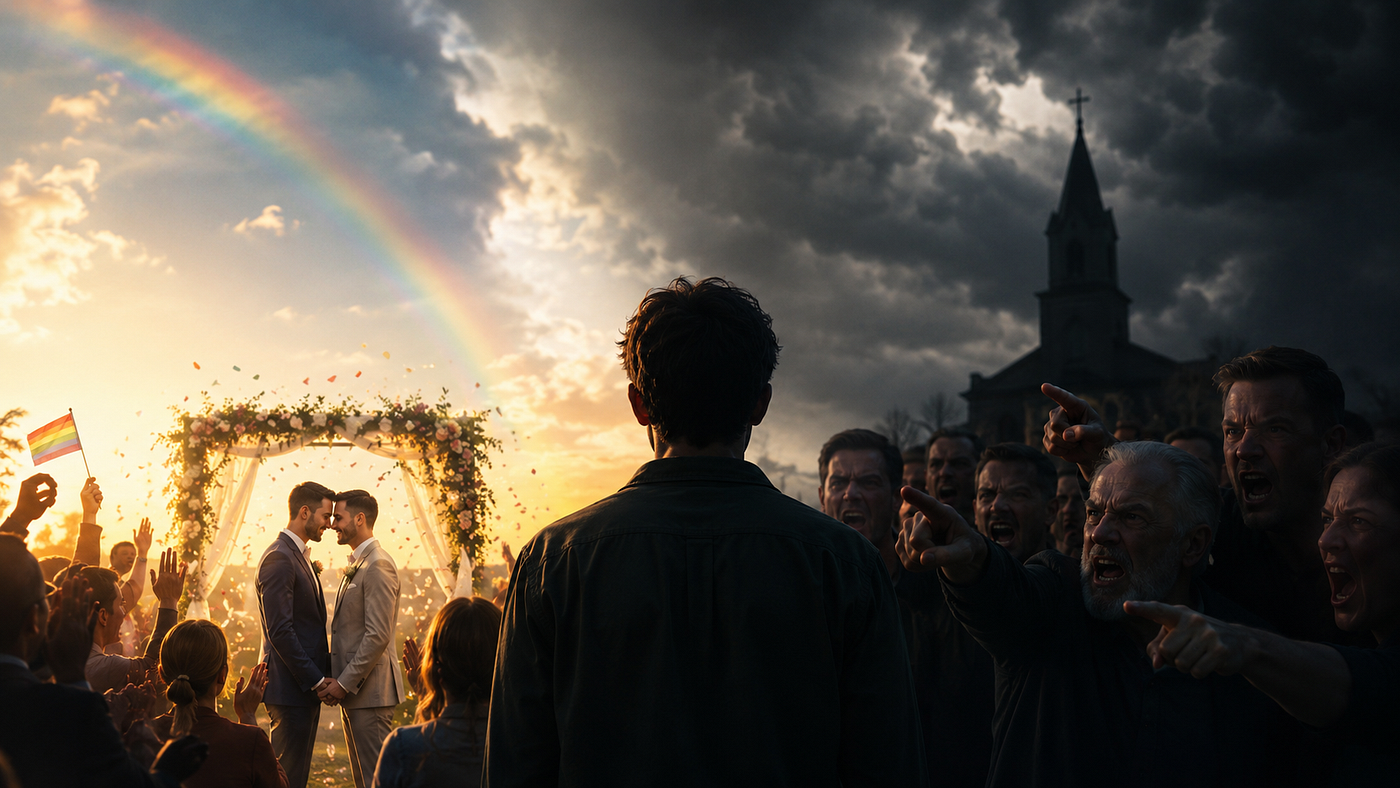
Photo by Unseen Histories on Unsplash
Something better than labels
When we make political decisions based on following Jesus, we will find ourselves sometimes leaning to the political left and sometimes to the right.
Either way, we will be unpredictable.
As Christians, we’re called to an alternative kingdom, not to the kingdoms of the world. Politics will never build the kingdom of God on earth as it is in heaven. Only God will accomplish that. We play our part, but we only contribute to it; we don’t actually build the kingdom. As N.T. Wright says, we build for the kingdom.
That’s not to say that we shouldn’t be involved in politics. But if we think politics can build the kingdom of God, we’re following the wrong savior. We can (and should) try to build a world of peace, justice, and righteousness, but that won’t change the human heart. Only the Holy Spirit transforming our inner selves can do that. The kingdom of God is not a type of socialist utopia; it’s the transformation of everything in existence to the will of Jesus.
Ultimately, this is about where our allegiance lies. I remember on the day of the 2007 Australian Federal Election, I was at a wedding where the preacher said from the pulpit that he hoped a certain party would win the election. I couldn’t believe my ears. He was officiating a wedding, but he couldn’t help himself from declaring where his political allegiances lay. We can’t be for a particular political party or person and try to follow Jesus at the same time. At some point, the two will clash.
Just like the early Christians did, this is about living a life that declares that Jesus is Lord and our political position is not. When the kingdoms of the world propose and implement policies that are in direct conflict with Jesus’ way, it’s clear which way we need to go, no matter which political party says it. As Jim Wallis said many years ago, “God is not a Republican or a Democrat.”
I long for the day when we Christians stop making our stands because we’re seen — either by ourselves or by others — as ‘woke’ or ‘conservative.’ I long for the day when we will live out the courage of our conviction that Jesus is Lord, that we will challenge the status quo because Jesus is Lord, and that we will make our stands for justice and righteousness because Jesus is Lord.
And I pray that we won’t do it because we’re on a particular part of a spectrum that’s really about politics and not about where our true allegiance should be if we really are followers of the Lord of the universe.
New to Medium? Click here to become a Medium member and get access to all of my articles and thousands of others.
The Backyard Church is not just a blog. It’s a real online community for people who have faith but can’t, don’t, or won’t go to church. Join today.
메타데이터
- post_id
- 6f5b7dafcf73
- slug
- why-talking-about-social-justice-gets-me-labeled-woke-by-christians-6f5b7dafcf73
- url
- https://medium.com/backyard-theology/why-talking-about-social-justice-gets-me-labeled-woke-by-christians-6f5b7dafcf73
- canonical_url
- https://medium.com/backyard-theology/why-talking-about-social-justice-gets-me-labeled-woke-by-christians-6f5b7dafcf73
- author_url
- https://medium.com/@NilsvonKalm
- status
- ok
- fetched_at
- 2026-07-08 18:29:56