Reviewing Roanoke: AHS’s Most Unappreciated Season
Does Season 6 of AHS deserve all the hate it gets?
Reviewing Roanoke: AHS’s Most Unappreciated Season
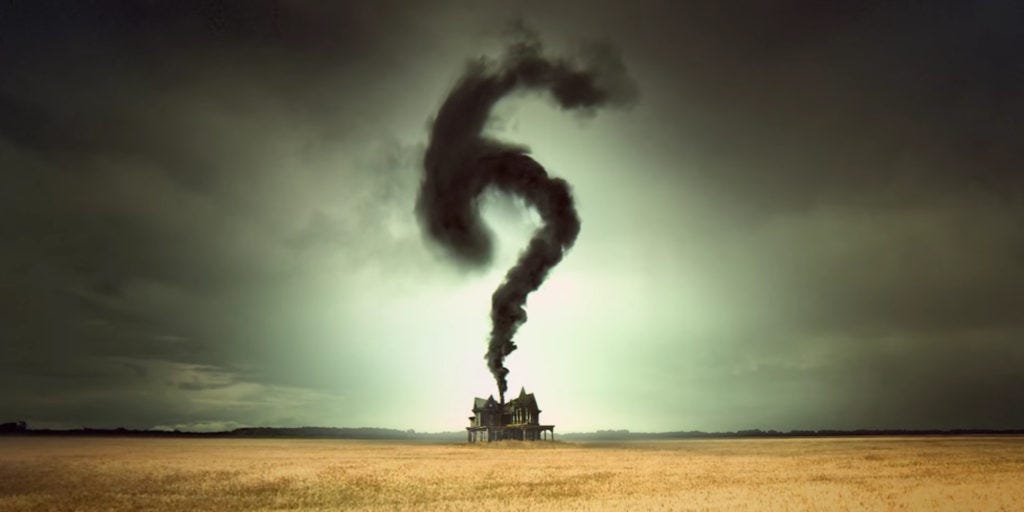
American Horror Story: Roanoke being one of my favorite seasons of the anthology is potentially my most unpopular opinion to date. Even Cain Varner, self-proclaimed “fan-boy” of AHS who came across my YouTube feed after starting a deep-dive series of the franchise, didn’t seem to have much love for the season. To celebrate spooky season 2024, I re-watched Roanoke and decided to contribute some more positive opinions to the discussion.
In no particular order, we have:
The concept:
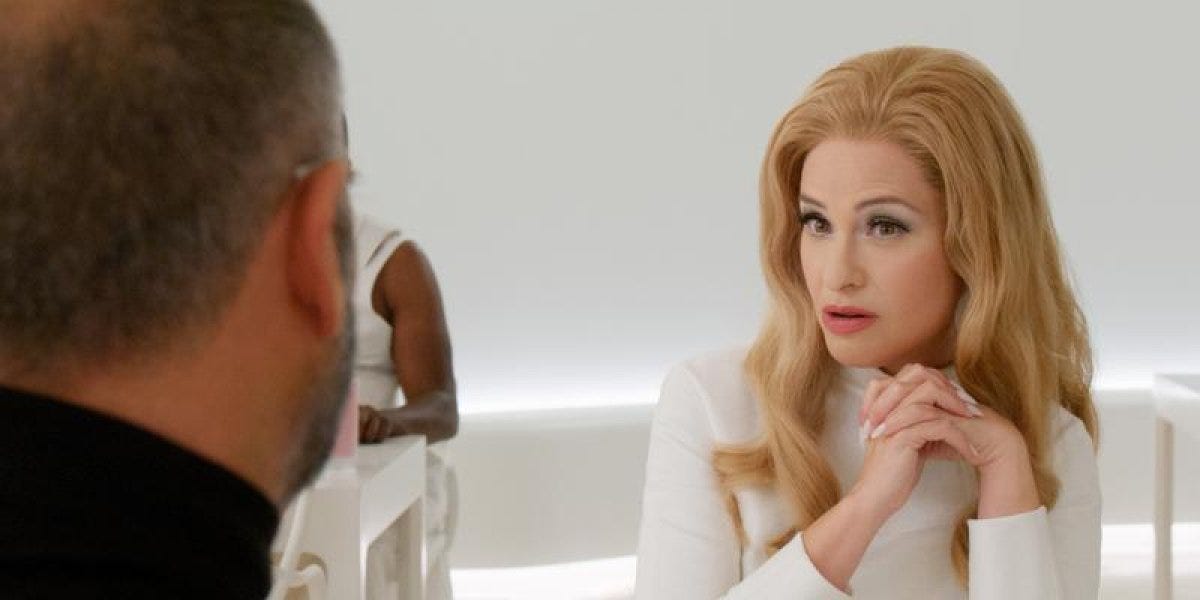
I’m a huge fan of the idea of using reality TV for its horror value- and it’s one that I thought Roanoke did a pretty good job with. It was an intuitive next step forward when we already know the Haunted Locations of AHS are featured in attractions like ghost tours and at least one cannon character is a TV psychic. Sidney was a great representation of a reality show mogul and, for the most part, all the scenes having to do with the television representation of My Roanoke Nightmare are believable.
I also like what Roanoke added to the “haunting”/ghost lore of AHS. The thought of a location that traps your soul if you bleed into the land makes you wonder if the Murder House and Hotel are influenced by the same kind of magic. I love how they gave us a backstory that made sense of all the blood lust that went on in this house, and the scares in this season were so effective- I can honestly say it has been the only season to accelerate my pulse, which pulls a lot of weight for me.
The villains:
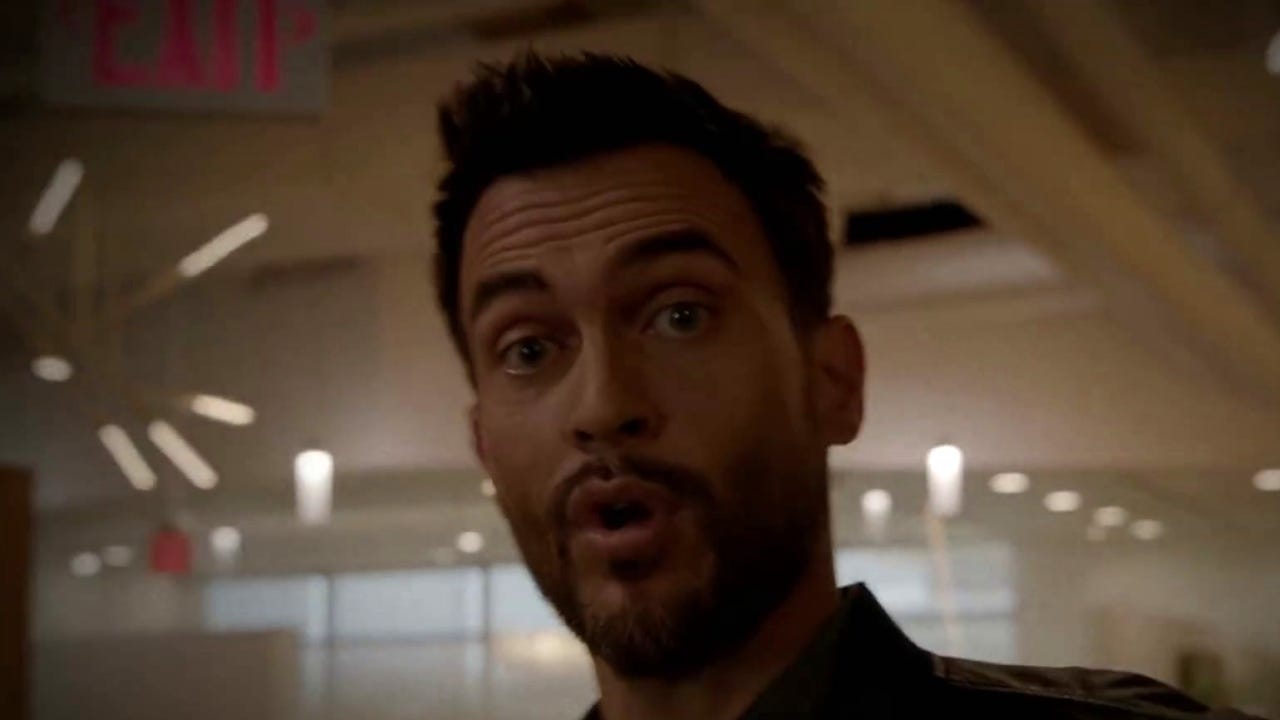
Although season 6 was overwhelmed with antagonists, I found ways to enjoy the variety of culprits throughout the story. There are natural kills as well as supernatural kills- just as many flesh and blood humans become culpable as ‘evil spirits’- including the protagonists.
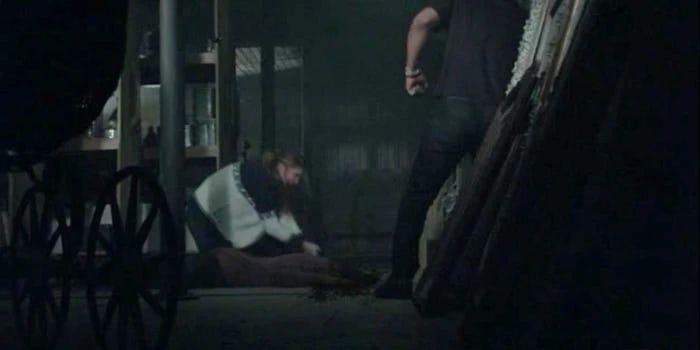
One of my favorite elements of horror is the “morally gray to villainous” protagonist; main characters who aren’t good people and whose actions aren’t necessarily meant to be seen as “right.” Shelby impulsively murdering her (ex?) husband because he came back for someone other than her is one of those scenes I really enjoy. The only thing that could have made it better would have been if her possessiveness over Matt had been built up more- it feels a little random by the time Shelby confesses that the only reason she’s agreeing to film for the show is to get Matt back. However, I can also see how this might be a way to convey that we don’t know these people. We know how they’re portrayed based on stories they told.
The casting:
These roles could not have been assigned better. Lily Rabe and Sarah Paulson go together like peanut butter and jelly in a scene and their dynamic worked really well. One thing I realized only after Cain Varner commented in his Roanoke video that Angela Basset tends to be more intense and expressive in her performances than Adina Porter is that the other roles are casted with a similar dichotomy. It makes so much sense to see the bigger personalities playing actors while more low-key actors played their real-world counterparts.
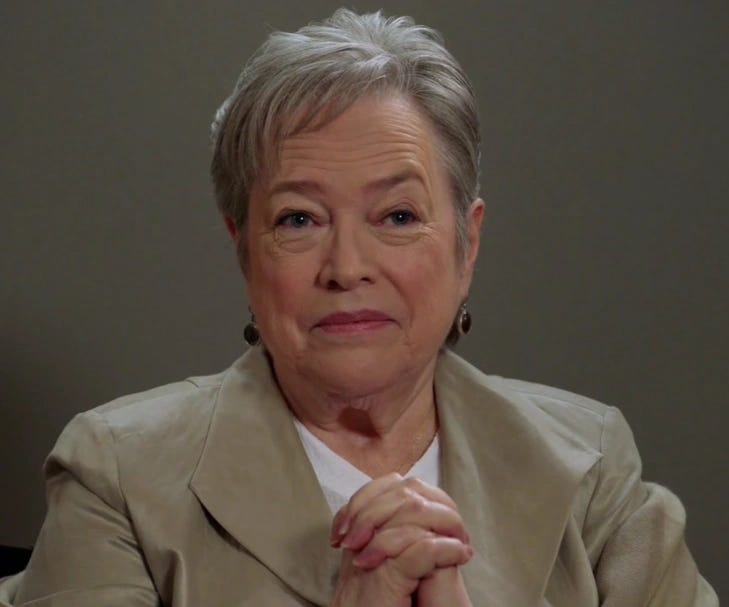
Of course, I probably don’t need to say that the likes of Sarah Paulson, Lily Rabe, and Kathy Bates nailed their parts- but the great casting doesn’t end with them. Even the small side part consisting of Doris Kearns Goodwin was delivered with exactly the kind of stilted speech and awkward line delivery I’d expect from a real-life historian being interviewed about their expertise on camera.
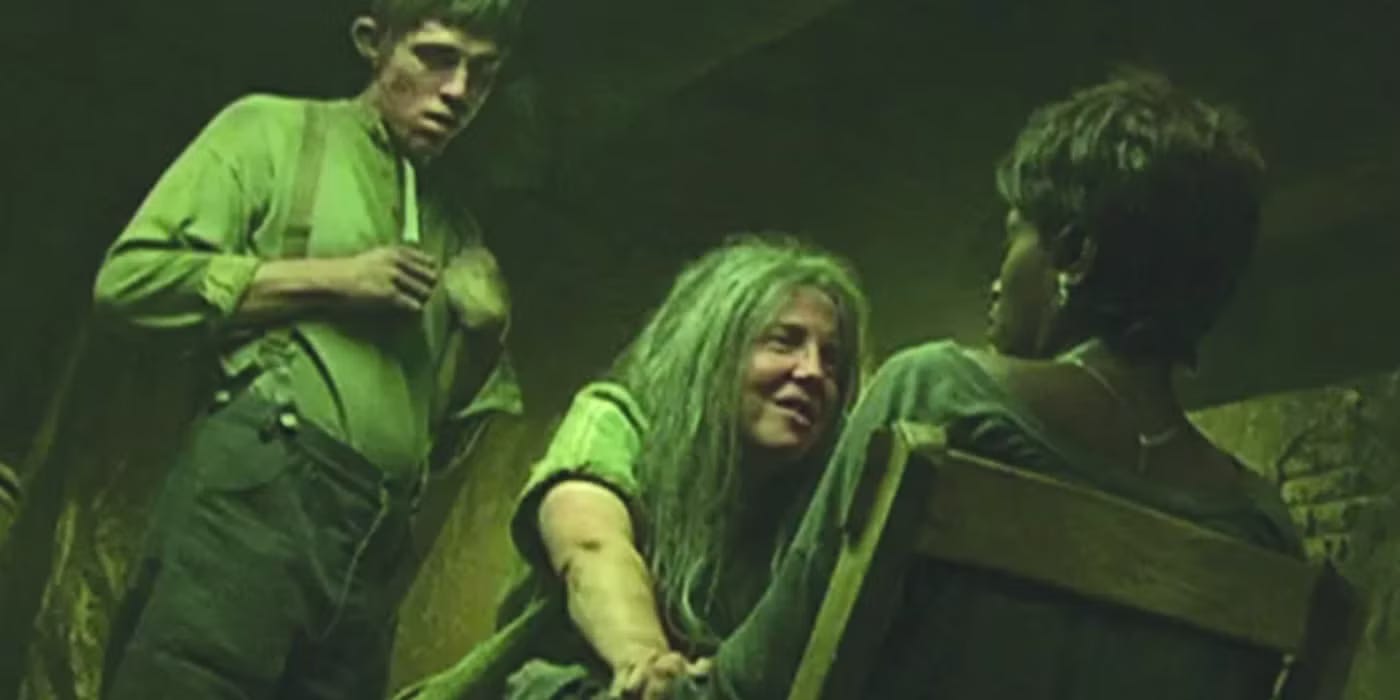
The actors involved in playing both the on-screen and off-screen Polks did their jobs well enough to really sell me on the cannibal hillbilly trope- and that’s usually a trope that doesn’t resonate with me.
Contextually, it was also nice to see Lily Rabe take on a more prominent role in an AHS cast after two seasons of barely getting glimpses of her.
The characterization:
While I do agree that the characterization of the ensemble cast as a whole could have been handled better if we had been looking at a 12–16 episode season, there are some hidden gems in this one. Lee Harris is one of my favorite television characters in history, and I loved her similarities with Lana Winters. Again, this is the kind of character I consume horror for- desperate people making terrible decisions in contexts that make me wonder if I am capable of committing these atrocities under similar circumstances.
I thought her ending was perfectly bittersweet for the role she played and her motivations. I don’t understand all the negativity about the finale.
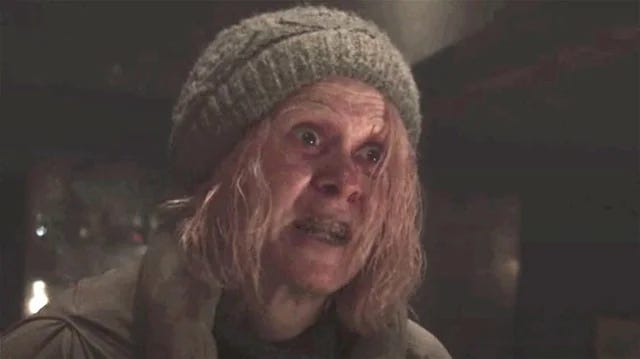
For characters like Agnes as The Butcher and Monet as Lee Harris, seeing how deeply they were impacted by the roles they played was an intriguing element of the narrative that had the potential to be absolutely brilliant if there had been more focus on it. I wished that Agnes’s interaction with the real Butcher had given us more than instant death- I would have liked there to be a more supernatural connection between them.
I would love to see Flora return as a character likely possessing some kind of magical abilities and to get a confirmed meeting with Emily. I also wonder about the fate of the Roanoke house and all the spirits occupying the land. Leaving some questions unanswered is a staple of horror, of course, but when you’re talking about a series of stories connected by an anthology as well, these are good questions to make “bread crumbs” of. Roanoke would be an excellent storyline to follow-up on from so many different directions.
The “Twist”:
To address the elephant in the room, one of the hardest elements of Roanoke for fans to swallow is the mid-season “twist”- when we go from viewing the story in retrospect to watching the filming of the new season. By the end of episode four I knew there would have to be a major shift somewhere. The first “half” of the season tells an interesting story, but there are no stakes when we can clearly see that the entire main cast has lived to tell the tale- and Lee doesn’t seem to be providing these interviews from prison, so either Flora was found relatively unharmed or there was some major exculpatory evidence. It’s hard to have a horror without stakes, and in retrospect, I think the twist they gave us should have been among the most predictable ones.
Yes, the twist takes over and changes the story at break-neck speed. It wasn’t handled gracefully, and we end up with half a cast of characters that may as well have been cardboard cut-outs. The actors aren’t given enough time to become characters, themselves- which is why this story should have been told over a longer season. I didn’t care about Rory getting killed like five minutes after being introduced, no his wedding montage with Audrey did not make me care- because at this point, I also do not care about Audrey. Characterization suffered, and in a genre like horror, that has a big impact.
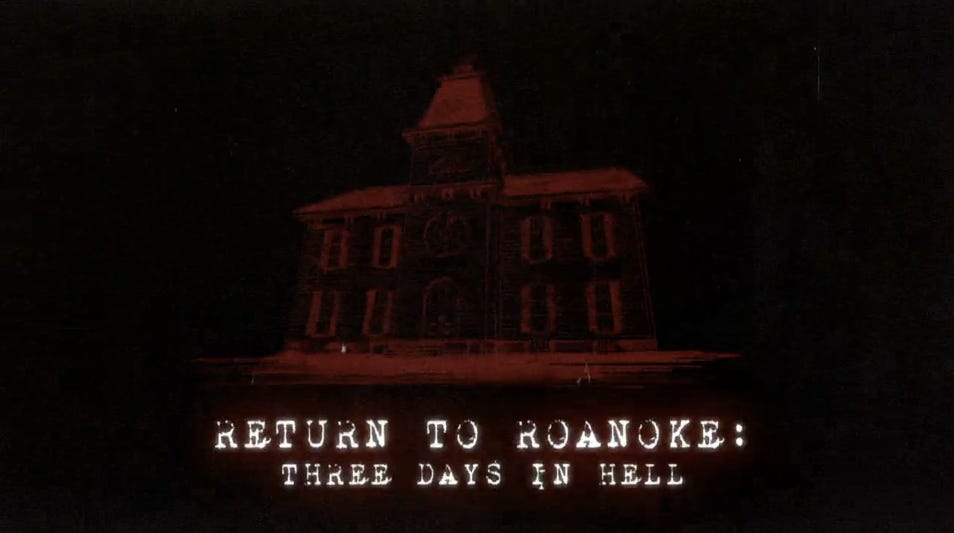
Overall, Roanoke brings some effective horror that could have benefitted from even slightly more run time(famously, this season of only ten episodes is the point where some of the episode lengths also shorten) and/or by condensing the story (Roanoke is drowning in so many antagonists that almost none of them feel truly impactful). It took its fair share of missteps, but is still a worthwhile story.
메타데이터
- post_id
- 6f5fa98f577d
- slug
- reviewing-roanoke-ahss-most-unappreciated-season-6f5fa98f577d
- url
- https://medium.com/@thewritestuff13/reviewing-roanoke-ahss-most-unappreciated-season-6f5fa98f577d
- canonical_url
- https://medium.com/@thewritestuff13/reviewing-roanoke-ahss-most-unappreciated-season-6f5fa98f577d
- author_url
- https://medium.com/@thewritestuff13
- status
- ok
- fetched_at
- 2026-06-26 06:47:43