Revolutionizing Diagnostics: The Rise of the Automatic Electrolyte Analyzer
Labnics Automatic Electrolyte Analyzer is a state-of-the-art diagnostic device designed to provide fast, accurate, and reliable electrolyte…
Revolutionizing Diagnostics: The Rise of the Automatic Electrolyte Analyzer
Labnics **Automatic Electrolyte Analyzer **is a state-of-the-art diagnostic device designed to provide fast, accurate, and reliable electrolyte testing. Equipped with advanced ion-selective electrode (ISE) technology, the NAEA-100 automates the measurement of key electrolytes such as sodium, potassium, chloride, and bicarbonate in blood or serum samples. Ideal for use in hospitals, clinics, and laboratories, this compact analyzer delivers precise results in minutes, streamlining the diagnostic process and enabling healthcare professionals to make informed decisions quickly. With its user-friendly interface and minimal maintenance requirements, the NAEA-100 enhances efficiency, reduces manual errors, and supports optimal patient care.
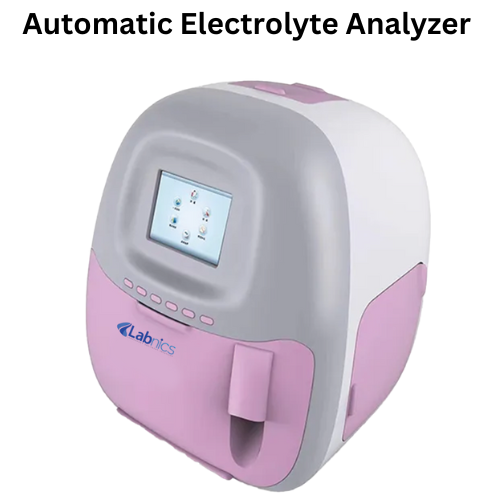
Automatic Electrolyte Analyzer
Understanding Electrolyte Imbalances: Electrolytes, including sodium, potassium, chloride, and bicarbonate, are essential for maintaining proper fluid balance, muscle function, and nerve signaling. Imbalances in electrolytes can be life-threatening, linked to conditions such as dehydration, kidney failure, heart disease, and metabolic disorders. Timely diagnosis and monitoring of these imbalances are critical in clinical settings.
Traditionally, electrolyte tests required manual procedures and often led to delays and human errors. The Automatic Electrolyte Analyzer, however, offers an efficient and reliable alternative that has reshaped diagnostic workflows.
What is an Automatic Electrolyte Analyzer?
An Automatic Electrolyte Analyzer is a device designed to quickly and accurately measure electrolyte levels in blood or other bodily fluids. Using advanced technologies like ion-selective electrodes (ISE) or indirect potentiometry, these analyzers automatically detect and quantify electrolyte concentrations without the need for manual intervention.
These systems are widely used in hospitals, clinics, and laboratories to deliver rapid results for patients requiring electrolyte monitoring. Their ability to process samples automatically, with minimal human input, streamlines workflows and reduces errors, ensuring timely diagnosis and optimal treatment decisions.
How Does It Work?
The basic operation of an Automatic Electrolyte Analyzer involves a few key steps:
- Sample Collection: A small sample of blood (or plasma) is collected from the patient and placed into the analyzer.
- Measurement: The sample is analyzed using ion-selective electrodes (ISE) or similar technologies that detect the concentration of specific electrolytes in the fluid.
- Analysis and Result Generation: The analyzer computes the electrolyte levels in real-time, displaying the results digitally on the device's interface.
- Data Interpretation: The data is automatically logged, and in some cases, integrated with electronic health records (EHR) for seamless medical recordkeeping.
Key Features and Benefits of the Automatic Electrolyte Analyzer:
- Accuracy and Precision: Automatic Electrolyte Analyzers offer a higher degree of accuracy compared to manual methods, thanks to the advanced technology employed. Ion-selective electrodes provide precise measurements, reducing the risk of human error.
- Speed and Efficiency: Results are generated within minutes, enabling healthcare providers to make informed decisions quickly. This rapid turnaround time is particularly beneficial in emergency and critical care settings where every second counts.
- Ease of Use: Modern analyzers are designed with user-friendly interfaces, making them easy to operate by medical personnel with minimal training. The automation also reduces the need for complex sample preparation.
- Reduced Manual Labor: By automating the testing process, laboratories can reduce the workload on staff, improving overall productivity and freeing up personnel for other tasks.
- Cost-Effectiveness: While the initial investment in an Automatic Electrolyte Analyzer may be substantial, the device offers long-term cost savings by reducing labor costs, minimizing errors, and enabling faster test results.
- Remote Monitoring and Connectivity: Some advanced models offer remote monitoring capabilities and integrate with laboratory information systems (LIS) or hospital networks, allowing healthcare providers to track electrolyte levels in real-time and make data-driven decisions.
Applications in Healthcare:
- Emergency Medicine: In emergency settings, patients often arrive with critical conditions such as dehydration, diabetic ketoacidosis, or acute kidney injury, which require immediate electrolyte analysis. The Automatic Electrolyte Analyzer offers a fast and reliable solution for initial diagnostics.
- Nephrology: Chronic kidney disease patients require regular monitoring of their electrolytes, as renal dysfunction can significantly alter electrolyte levels. The analyzer provides consistent and precise tracking for ongoing treatment management.
- Intensive Care Units (ICUs): In ICUs, continuous monitoring of electrolyte levels is vital for critically ill patients, especially those undergoing surgery, trauma, or organ failure. The analyzer facilitates frequent testing with minimal disruption to patient care.
- Routine Health Checkups: For general practitioners, having an Automatic Electrolyte Analyzer in the office can streamline the diagnostic process for routine checkups, offering patients immediate feedback on their health status.
Challenges and Considerations:
While the Automatic Electrolyte Analyzer brings significant advantages, there are a few challenges to consider:
- Cost and Maintenance: Initial costs and ongoing maintenance can be a concern for some healthcare facilities, especially in resource-limited settings.
- Calibration and Quality Control: Regular calibration and quality checks are essential to ensure the accuracy and reliability of test results.
- Integration with Other Systems: Compatibility with existing laboratory information systems (LIS) or electronic health records (EHR) must be carefully considered to ensure seamless data transfer and analysis.
The Future of Electrolyte Analysis:
The future of electrolyte analysis looks promising, with advancements in technology continuously improving the capabilities of analyzers. Some key developments on the horizon include:
- Point-of-Care Testing (POCT): With the trend toward decentralizing healthcare, portable electrolyte analyzers are being developed for point-of-care settings, enabling tests to be conducted directly at the patient's bedside or in remote locations.
- Integration with AI and Machine Learning: Advanced algorithms and artificial intelligence (AI) may soon be used to predict electrolyte imbalances based on patient data, offering even more precise and personalized healthcare.
Conclusion: The Automatic Electrolyte Analyzer is a game-changer in the world of diagnostics. By providing fast, accurate, and efficient electrolyte testing, it enhances the ability of healthcare providers to monitor patient health and respond to emergencies with confidence. As technology continues to evolve, these analyzers will become even more integral to modern healthcare practices, ultimately improving patient outcomes and enhancing clinical workflows.
For more information visit our website www.Labnics.com
메타데이터
- post_id
- 6fc4a8254fec
- slug
- revolutionizing-diagnostics-the-rise-of-the-automatic-electrolyte-analyzer-6fc4a8254fec
- url
- https://medium.com/@bentleyfay08/revolutionizing-diagnostics-the-rise-of-the-automatic-electrolyte-analyzer-6fc4a8254fec
- canonical_url
- https://medium.com/@bentleyfay08/revolutionizing-diagnostics-the-rise-of-the-automatic-electrolyte-analyzer-6fc4a8254fec
- author_url
- https://medium.com/@bentleyfay08
- status
- ok
- fetched_at
- 2026-07-08 08:37:11