Spring Security with Zuul
Spring Security and Zuul represent two pivotal components in the development and security of modern microservices architectures. By…
Spring Security with Zuul
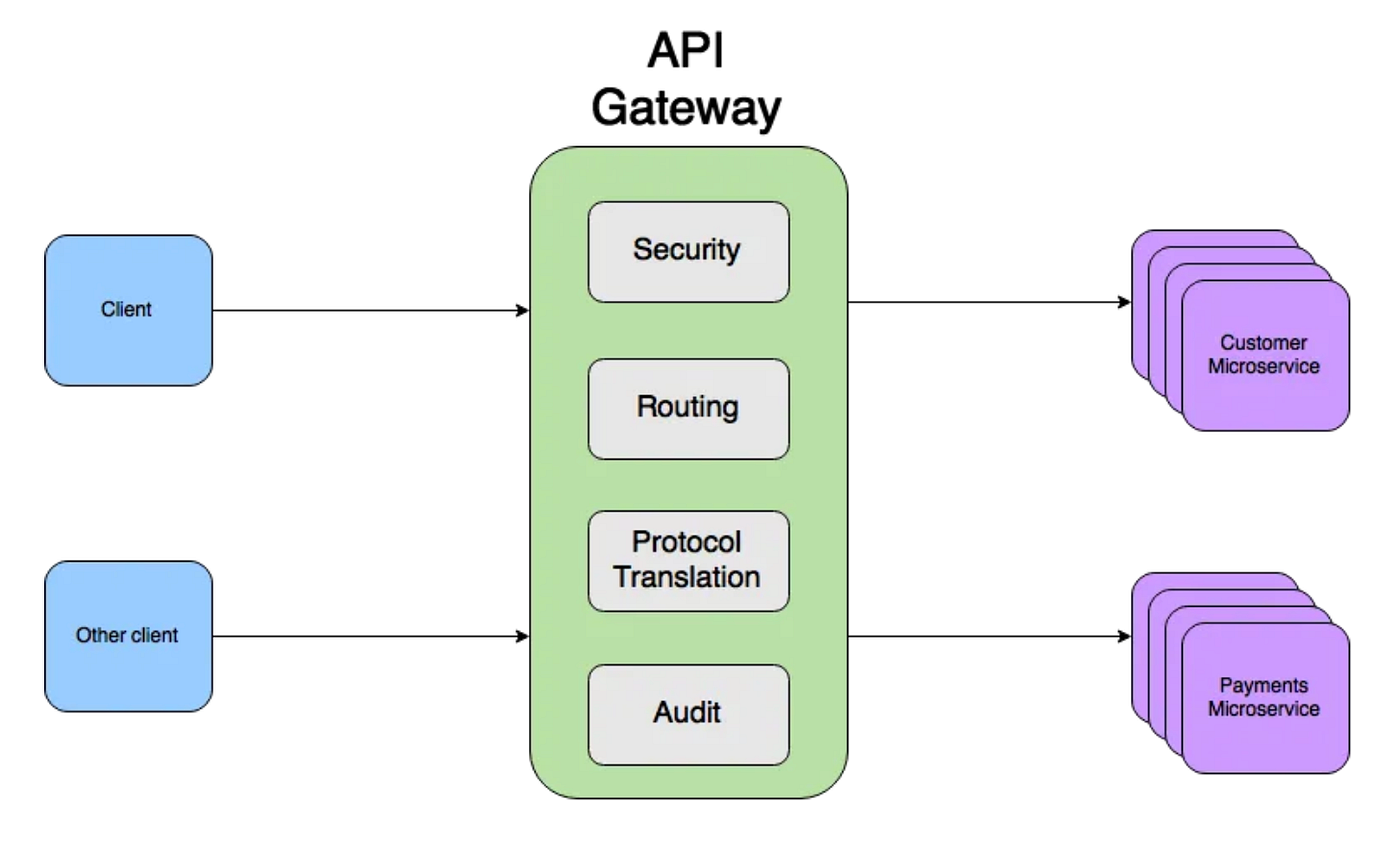
Spring Security and Zuul represent two pivotal components in the development and security of modern microservices architectures. By integrating these technologies, developers can create robust, secure applications that not only guard against common threats but also provide seamless user experiences. This article delves into the functionalities of Spring Security and Zuul, illustrating their integration through a comprehensive example.
Understanding Spring Security
Spring Security is a versatile authentication and authorization framework tailored for Spring-based applications. It’s engineered to provide a robust security layer that encompasses:
- Authentication: This process verifies the identity of a user or service, employing various methods such as login credentials, tokens, or certificates. Spring Security facilitates the configuration of custom authentication mechanisms or the integration with existing authentication providers.
- Authorization: Post-authentication, authorization determines if an authenticated entity is permitted to access specific resources or perform certain operations within the application. Spring Security supports expression-based access control, method-level security, and more, enabling fine-grained authorization rules.
- Protection Against Vulnerabilities: Spring Security offers defenses against several prevalent security risks, including session fixation, clickjacking, and cross-site request forgery (CSRF), thereby enhancing the application’s resilience against attacks.
Spring Security’s configurability allows it to secure application endpoints effectively, enforce role-based access controls, and integrate with a wide array of authentication providers, such as LDAP, OAuth2, and JWT.
Exploring Zuul
Zuul is a key component of the Netflix OSS suite, serving as an API Gateway in microservices architectures. Its primary functions include:
- Routing: Zuul dynamically routes requests to various backend services based on request attributes, facilitating flexible request handling.
- Load Balancing: It distributes incoming requests across multiple service instances, balancing the load and enhancing the system’s scalability.
- Resilience: Zuul implements circuit breakers and fallback mechanisms, improving system resilience by managing backend service failures gracefully.
- Cross-Cutting Concerns: The gateway handles logging, monitoring, and applying security headers, addressing these concerns uniformly across all incoming requests.
Integrating Spring Security with Zuul: A Practical Example
Consider a microservices architecture where Zuul acts as the API Gateway, and Spring Security is utilized both at the gateway and individual microservices level. Here’s how these components can be integrated:
- Configuring Spring Security in Zuul for Authentication and Basic Authorization
First, configure Spring Security within the Zuul gateway to authenticate incoming requests. This setup might involve validating JWT tokens or integrating with an OAuth2 provider. For instance, you can define security filters in Zuul to extract and verify JWT tokens, ensuring that only authenticated requests are routed to backend services.
- Enforcing Fine-grained Authorization in Microservices
Once requests are authenticated at the gateway, they’re forwarded to the appropriate microservices. Here, Spring Security can be configured to enforce more granular access controls. For example, a microservice handling user data might restrict access to certain endpoints based on the user’s role, such as ROLE_ADMIN for sensitive operations.
- Example Scenario
Imagine a scenario where a request to update user profiles is received. The Zuul gateway authenticates the request by validating the attached JWT token. Upon successful authentication, the request is routed to the User Service microservice. Here, Spring Security checks if the authenticated user has the ROLE_ADMIN authority. If the authorization criteria are met, the update operation is performed; otherwise, an access denied error is returned.
Integration Benefits
This integrated approach leverages Zuul’s strengths in routing and load balancing while utilizing Spring Security for robust authentication and authorization. It centralizes security logic at the gateway, simplifying system-wide security management, and allows for detailed access controls within individual services.
Conclusion
The synergy between Spring Security and Zuul fortifies microservices architectures, providing a comprehensive security model that addresses both perimeter defense and internal access control. By understanding and implementing these technologies in tandem, developers can ensure their applications are not only secure but also resilient and user-friendly. This integrated security strategy is crucial in today’s landscape, where the sophistication of threats necessitates equally sophisticated defenses.
메타데이터
- post_id
- 6fcf7f7dfe55
- slug
- spring-security-with-zuul-6fcf7f7dfe55
- url
- https://medium.com/@wensenma/spring-security-with-zuul-6fcf7f7dfe55
- canonical_url
- https://medium.com/@wensenma/spring-security-with-zuul-6fcf7f7dfe55
- author_url
- https://medium.com/@wensenma
- status
- ok
- fetched_at
- 2026-07-24 11:38:48