Biological Microscope: Unlocking the Microscopic World
Labtro Biological Microscope offers bright field observation and is equipped with a rigid, vibration free frame for stability. Its plan…
Biological Microscope: Unlocking the Microscopic World
Labtro Biological Microscope offers bright field observation and is equipped with a rigid, vibration free frame for stability. Its plan achromatic optical system ensures precise imaging, while diopter and interpupillary adjustments provide enhanced user comfort and accuracy.
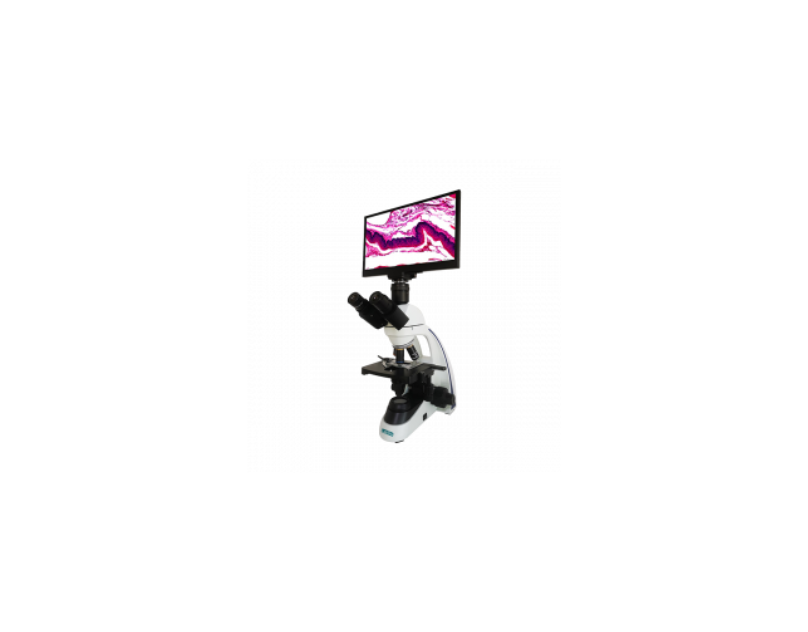
Biological Microscope LT-BM102
Biological Microscope: Unlocking the Microscopic World
Introduction
Begin with a captivating introduction about the importance of microscopes in biological research. Highlight how biological microscopes have revolutionized our understanding of life at the cellular and molecular levels.
Hook Example: From the intricate structure of a single cell to the beauty of dividing chromosomes, biological microscopes open doors to a hidden universe that shapes our existence.
What is a Biological Microscope?
Define a biological microscope and explain how it differs from other types of microscopes (e.g., stereo microscopes, electron microscopes).
- Purpose: Designed for observing biological specimens like cells, tissues, and microorganisms.
- Key Components:
- Optical system (objective lenses, eyepiece).
- Illumination system (light source, condenser).
- Mechanical stage for precise specimen placement.
Types of Biological Microscopes
Explore the various types of biological microscopes and their applications:
Compound Microscope
Ideal for high magnification and studying cells.
Fluorescence Microscope
For observing tagged molecules using fluorescent dyes.
Phase-Contrast Microscope
Allows detailed imaging of live, unstained specimens.
Confocal Microscope
Provides 3D imaging of specimens with enhanced resolution.
Key Features and Innovations in Biological Microscopes
Discuss advancements and essential features that make modern biological microscopes indispensable:
- High-resolution optics.
- Digital integration for image capture and analysis.
- Ergonomic designs for extended use.
- Advanced illumination techniques like LED and laser systems.
Applications of Biological Microscopes
Highlight how biological microscopes are used across various fields:
Medical Research:
Studying diseases at the cellular level (e.g., cancer research).
Education:
Teaching students about cellular structures and processes.
Biotechnology:
Genetic engineering and drug discovery.
Microbiology:
Observing bacteria, viruses, and other microorganisms.
Tips for Choosing the Right Biological Microscope
Provide guidance for readers who may be looking to purchase or upgrade a biological microscope:
- Purpose: What do you want to study?
- Magnification Needs: Ranges between 40x and 1000x for most biological applications.
- Budget: High-end models vs. entry-level options.
- Additional Features: Camera compatibility, software integration, etc.
The Future of Biological Microscopy
Discuss upcoming trends and technologies, such as AI integration for automated image analysis, enhanced imaging techniques, and affordable models for broader accessibility.
Conclusion
Wrap up the article by emphasizing the crucial role biological microscopes play in advancing science and education. Inspire readers by highlighting their potential to uncover new discoveries and broaden human knowledge.
. For More Information Visit Our Website www.Labtro.com
메타데이터
- post_id
- 6fdeb0c0ea7a
- slug
- biological-microscope-unlocking-the-microscopic-world-6fdeb0c0ea7a
- url
- https://medium.com/@saraswanson495/biological-microscope-unlocking-the-microscopic-world-6fdeb0c0ea7a
- canonical_url
- https://medium.com/@saraswanson495/biological-microscope-unlocking-the-microscopic-world-6fdeb0c0ea7a
- author_url
- https://medium.com/@saraswanson495
- status
- ok
- fetched_at
- 2026-06-09 15:37:30