Why Fibre-Rich Plant-Based Foods Are Trending in the GLP-1 Era
Open a food delivery app, browse a supermarket aisle, or listen to a wellness podcast and you’ll notice the same shift happening…
Why Fibre-Rich Plant-Based Foods Are Trending in the GLP-1 Era
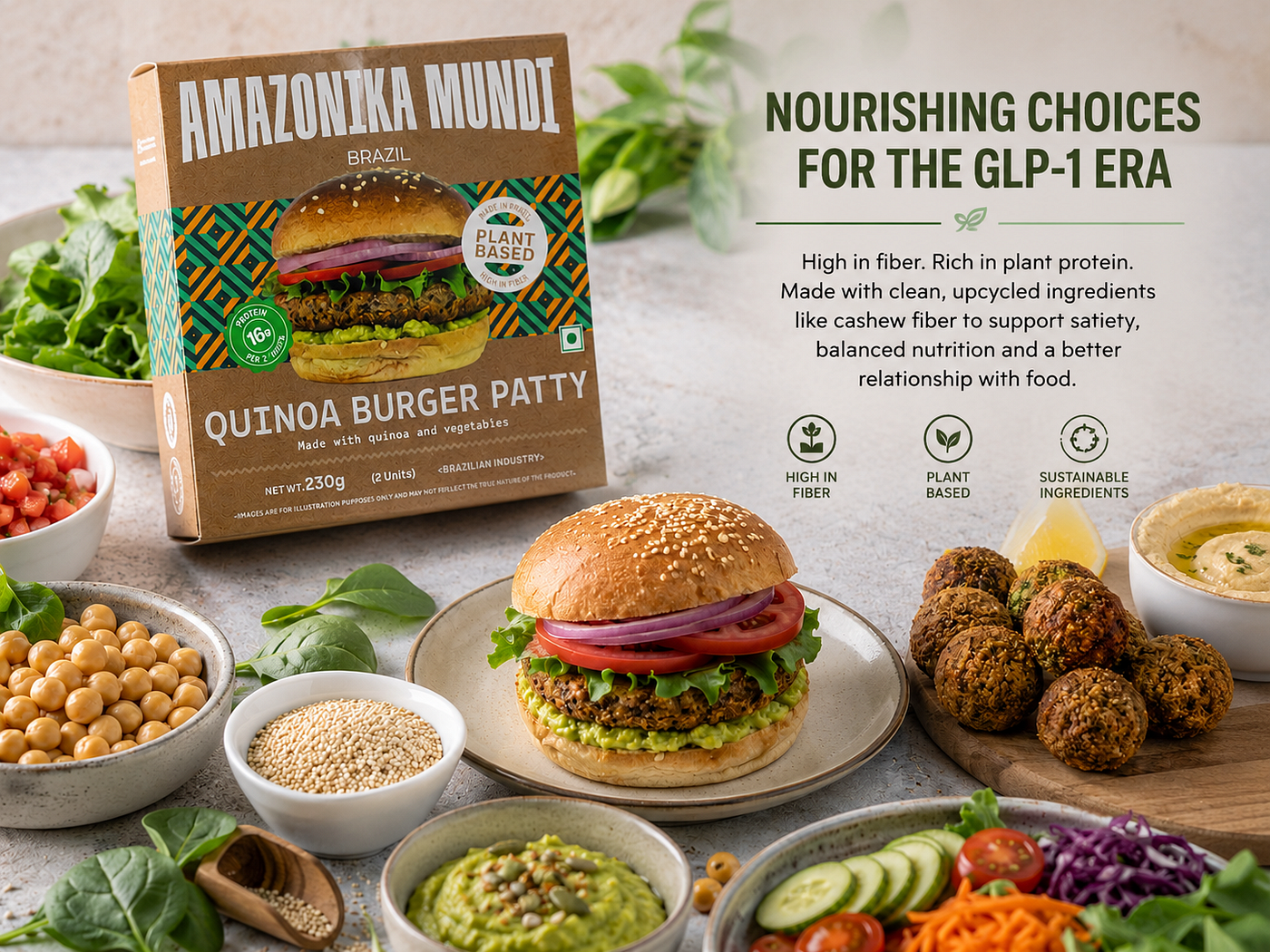
Fibre-Focused Plant Nutrition
Open a food delivery app, browse a supermarket aisle, or listen to a wellness podcast and you’ll notice the same shift happening everywhere. The conversation around food is becoming more thoughtful.
People are paying closer attention to what keeps them satisfied, what delivers real nutrition, and what fits into a healthier lifestyle without feeling restrictive.
This change has gained momentum alongside growing interest in GLP-1 medications. While these medications have brought appetite and eating habits into the spotlight, they have also encouraged a broader discussion about food quality. Suddenly, nutrients that were once overlooked are receiving renewed attention.
Among them, fibre has emerged as one of the most important.
From **high-fibre snacks to nutrient-dense meals, fibre-rich plant-based foods** are becoming a key part of how many people approach everyday nutrition. The reason goes beyond trends. It reflects a growing desire for foods that offer satisfaction, nourishment, and sustainability in a single package.
Understanding the Shift Toward Nutrient-Dense Foods
For years, many food choices were influenced by what people wanted to avoid. Low-fat products, sugar-free options, and calorie-focused diets dominated store shelves.
Today, the focus is changing. Rather than asking what should be removed from food, people are asking what should be included.
That shift has increased interest in nutrient-dense foods that provide more nutritional value with every serving.
Foods containing fibre, plant protein, vitamins, minerals, and whole-food ingredients are attracting attention because they help create balanced meals without unnecessary complexity.
Plant-based nutrition fits naturally into this movement. Ingredients such as chickpeas, lentils, vegetables, nuts, and seeds offer a combination of nutrients that many consumers are actively seeking.
Why Fibre Matters More Than Ever
Fibre is not a new discovery. What has changed is the way people view it.
Instead of seeing fibre as a small detail on a nutrition label, many now recognize it as an important part of a balanced eating pattern.
Foods are often associated with:
• More satisfying meals
• Better dietary quality
• Increased intake of plant-based ingredients
• Greater focus on whole foods
As awareness grows, food manufacturers are responding with products designed to provide both taste and nutritional value.
The Connection Between Satiety and Plant-Based Foods
One of the most noticeable trends in modern nutrition is the growing interest in satiety.
People want foods that leave them feeling satisfied rather than constantly searching for their next snack.
This doesn’t mean eating less. It means making food choices that feel more fulfilling.
Many plant-based foods naturally contribute to this goal because they combine fibre with ingredients that add texture, flavor, and nutritional value.
A bowl of lentils, a **chickpea-based meal, or a plant-based burger** made with carefully selected ingredients offers a very different experience from highly processed foods designed purely for convenience.
The emphasis is shifting toward quality over quantity.
Clean-Label Foods Are Becoming the New Standard
Another major trend shaping the food industry is the demand for clean-label foods.
Shoppers increasingly want to understand what is in their food and where those ingredients come from. Long ingredient lists filled with unfamiliar terms are becoming less appealing.
Instead, consumers are looking for products that offer:
• Transparency
• Simplicity
• Recognizable ingredients
• Responsible sourcing
This demand has influenced nearly every category, including plant-based foods. Brands that can combine clean-label principles with great taste are earning trust in an increasingly competitive market.
Sustainable Food Innovation Is Reshaping the Industry
Nutrition is only one part of the story.
Environmental impact has become another important consideration for many consumers. People want food choices that support both personal wellbeing and a more sustainable food system.
This has fueled interest in sustainable food innovation, particularly approaches that reduce waste and make better use of available resources.
One area receiving significant attention is ingredient upcycling.
Instead of discarding valuable food resources, innovators are finding ways to transform them into useful ingredients for future products.
The result is a more efficient and responsible approach to food production.
How Cashew Fibre Fits Into the Future of Plant-Based Nutrition
Cashew fibre is a great example of how innovation and sustainability can work together.
While cashews are widely known around the world, fewer people are familiar with the potential of the broader cashew fruit.
By exploring ways to use cashew fibre in food production, companies can create ingredients that support both sustainability goals and product innovation.
This approach helps:
• Maximize natural resources
• Reduce unnecessary waste
• Support circular food systems
• Inspire new **plant-based food** solutions
Brands such as Amazonika Mundi have helped bring attention to this opportunity by exploring how ingredients like cashew fibre can play a role in the future of plant-based nutrition.
Their work reflects a broader industry movement toward creating foods that deliver value beyond taste alone.
Why the Future Belongs to Fibre-Rich Plant-Based Foods
Food trends come and go, but some shifts are driven by deeper changes in consumer behavior.
People want foods that have:
• Better nutrition
• Greater satisfaction
• Cleaner ingredients
• Sustainable sourcing
• Real-world practicality
Foods that meet these expectations are well positioned for the future.
As the conversation around GLP-1, satiety, nutrient density, and sustainable eating continues to evolve, fibre-rich foods will likely remain at the center of it.
For brands like Amazonika Mundi, this creates an opportunity to show that innovation is not only about creating new products. It is also about finding smarter ways to nourish people while respecting the resources that make those products possible.
FAQs
1. What are fibre-rich plant-based foods?
They are foods made from plant ingredients that naturally contain dietary fibre, including legumes, vegetables, fruits, nuts, seeds, and whole grains.
2. Why are high-fibre foods trending in the GLP-1 era?
As more people focus on satiety and nutrient density, fibre-rich foods have become a popular part of balanced eating habits.
3. What is a nutrient-dense food?
A nutrient-dense food provides valuable nutrients such as vitamins, minerals, or protein relative to its serving size.
4. What are clean-label foods?
Clean-label foods emphasize simple, recognizable ingredients and greater transparency about sourcing and production.
5. How does Amazonika Mundi use sustainable food innovation?
Amazonika Mundi explores plant-based ingredients such as cashew fibre and supports approaches that help reduce waste while creating innovative food products.
메타데이터
- post_id
- 6fe2a16903ee
- slug
- why-fibre-rich-plant-based-foods-are-trending-in-the-glp-1-era-6fe2a16903ee
- url
- https://medium.com/@mundiamazonika/why-fibre-rich-plant-based-foods-are-trending-in-the-glp-1-era-6fe2a16903ee
- canonical_url
- https://medium.com/@mundiamazonika/why-fibre-rich-plant-based-foods-are-trending-in-the-glp-1-era-6fe2a16903ee
- author_url
- https://medium.com/@mundiamazonika
- status
- ok
- fetched_at
- 2026-06-09 15:37:30




