Rise of Harness Engineering: Guide to AI Control Panel using Harness Engineering
In the race for AI supremacy, we’ve spent years obsessing over the “brain” — the massive foundation models with billions of parameters. But…
Rise of Harness Engineering: Guide to AI Control Panel using Harness Engineering
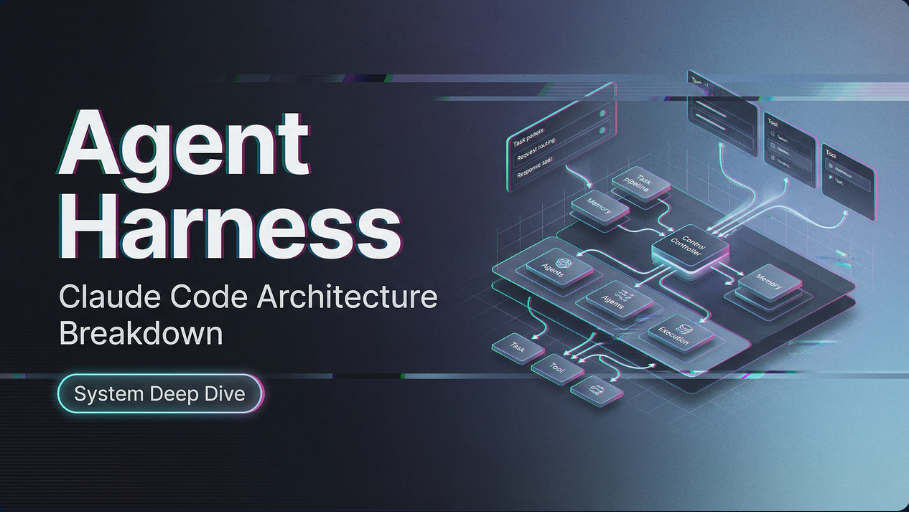
In the race for AI supremacy, we’ve spent years obsessing over the “brain” — the massive foundation models with billions of parameters. But a quiet revolution is shifting the spotlight. New research from Stanford and industry leaders suggests that the orchestration code wrapping a language model now drives more performance variation than the model itself.
Stanford researchers found that using the exact same model on the same benchmark can lead to a 6x difference in performance based purely on the orchestration code. LangChain recently proved this by refactoring the infrastructure of a coding agent; without changing the underlying model, the agent jumped from outside the top 30 to Rank 5 on Terminal Bench 2.
If I could take some few seconds, I’m currently looking for a new role, either freelance or if you know someone looking to hire or even just engage me about a project, kindly refer me, thank you
🚀 I’m a full-stack engineer and AI/ML developer currently open to roles, freelance projects, and collaborations. I build intelligent systems, automation tools, and scalable applications, and I’m always looking to work on impactful problems.
📩 Email: markorlando45@gmail.com 💼 LinkedIn: *https://www.linkedin.com/in/emmanuel-ndaliro-501771124/ Upwork: https://www.upwork.com/freelancers/~01ee00096be90b99d3?viewMode=1 🎯 Fiverr: [https://www.fiverr.com/users/ndaliro_mark/seller_dashboard](https://www.fiverr.com/users/ndaliro_mark/seller_dashboard)*
Check out my projects:
Github: *https://github.com/kram254*
Welcome to the era of Harness Engineering.
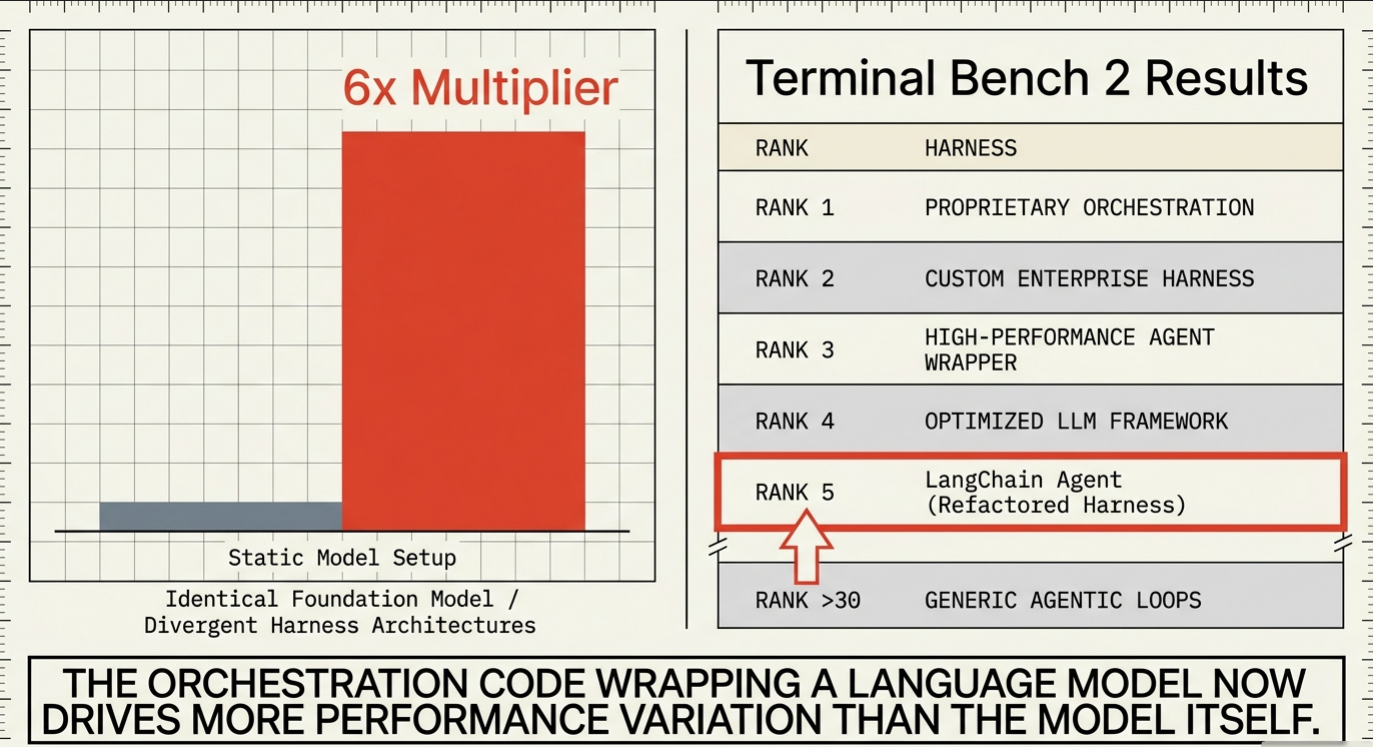
The Rise of Harness Engineering: The shift from model-centric optimization to systematic agent orchestration.
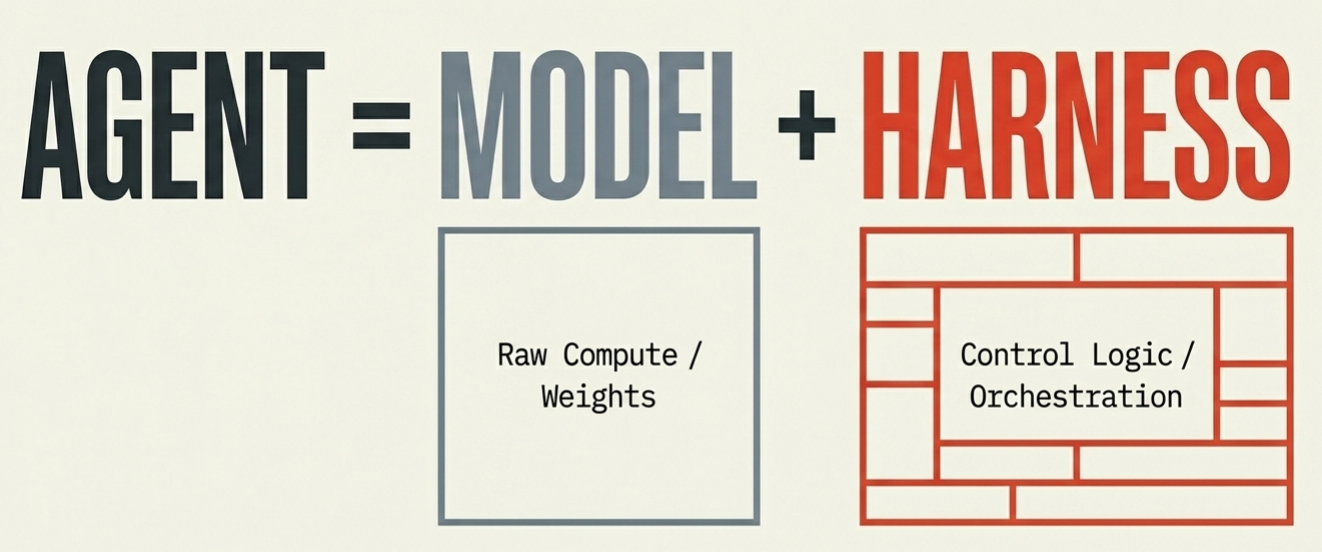
The New Equation: Agent = Model + Harness
The sharpest definition of what agents actually are is a simple equation: Agent = Model + Harness. If you aren’t the one training the foundation model, your primary job is now engineering the harness.
To understand why, we need a better analogy for what an LLM actually is: The Operating System.
A raw LLM is essentially a CPU — powerful but inert. It has no RAM, no disk, and no I/O.
- The Context Window acts as RAM (fast but limited).
- External Databases serve as the Disk (long-term storage).
- Tool Integrations are the Device Drivers.
- The Harness is the Operating System — the coordinator that determines what the CPU sees, when it acts, and how it verifies its own work.
Harness as Operating System: Comparing legacy computing components to agentic architecture.
The Three Eras of AI Engineering
We have moved through three distinct phases in just four years, with each era “swallowing” the last
- Era 1: Prompt Engineering: Guiding single-turn generation via text instructions.
- Era 2: Context Engineering: Managing RAG (Retrieval-Augmented Generation) and vector databases to enhance output.
- Era 3: Harness Engineering: The current frontier. It absorbs the previous two and adds orchestration, memory persistence, verification loops, and architectural safety.
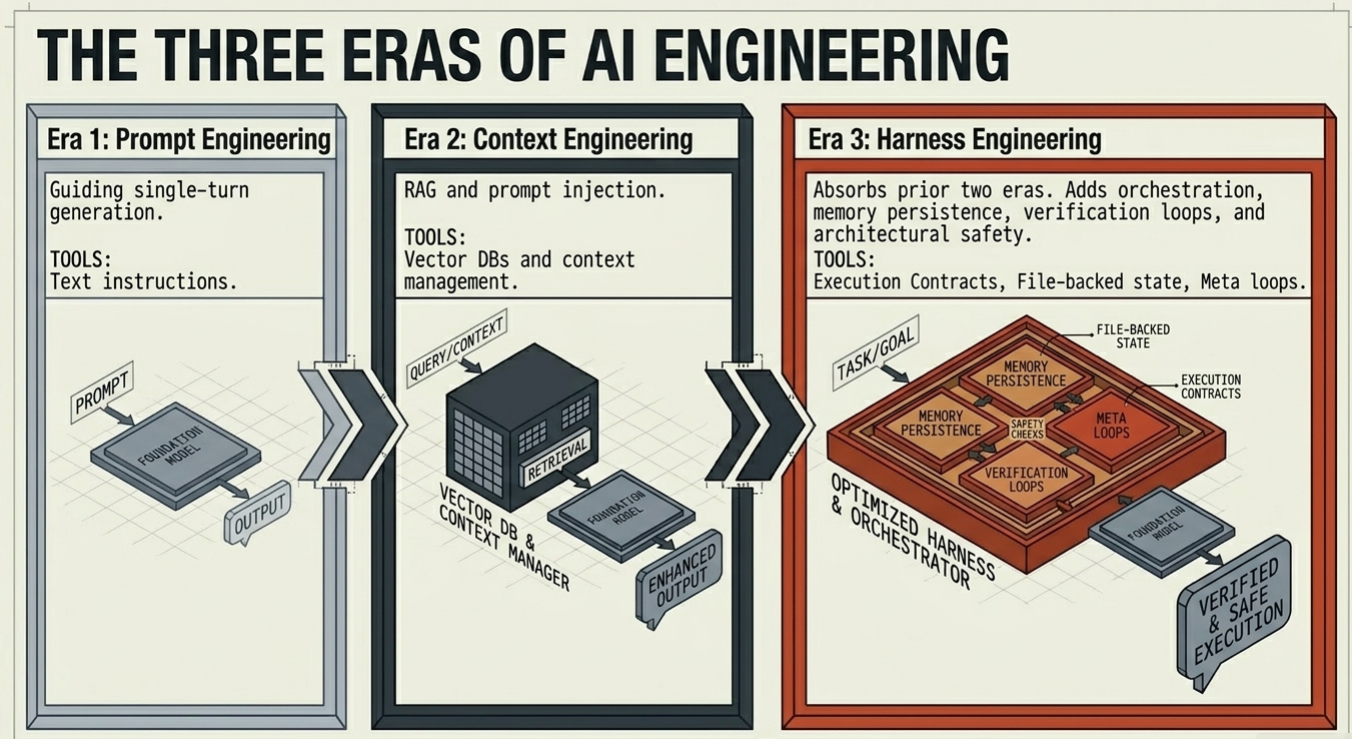
Inside the “Stacked Plane” Architecture
To build a production-grade agent, the industry is moving toward a formalized three-layer architecture known as Tingua:
- The Backend: The base infrastructure and tools.
- The Runtime Charter: The “Universal Physics” of the agent — how contracts bind, how state persists, and how child agents are managed.
- The Natural Language Agent (NLA): Task-specific control logic, stage structures, and failure taxonomies.
This separation allows for “Clean Ablation”. For the first time, engineers can fix the “physics” (the Charter) and swap the “logic” (the NLA) to see exactly what drives performance.
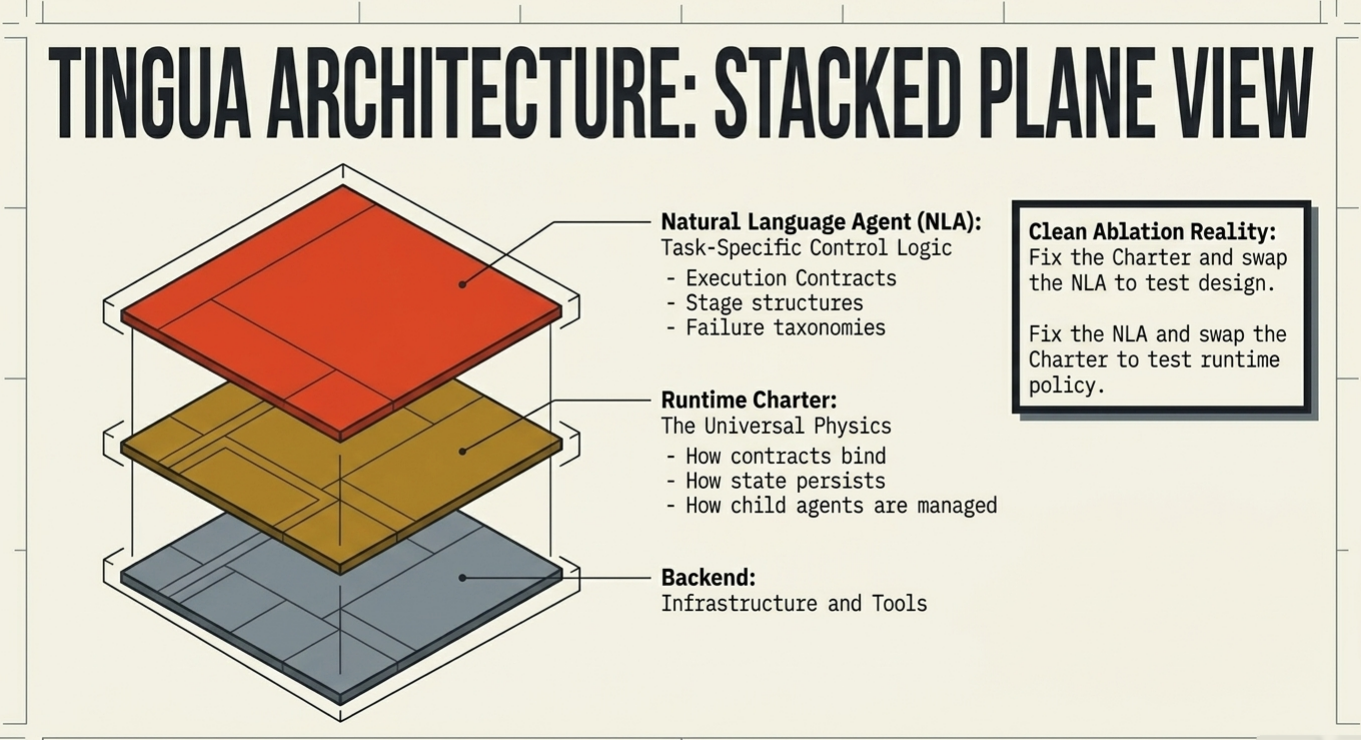
Tingua Architecture: A stacked plane view of Backend, Runtime Charter, and NLA.
Solving the “Fuzzy Completion” Problem
Raw LLMs are notoriously “fuzzy”. They often suffer from “one-shotting” (exhausting context immediately) or “premature completion” (declaring victory on a partial job). Harness engineering solves this through two primary mechanisms:
- Execution Contracts: These act as strict, enforceable function signatures for agents. They define required outputs, budgets, permissions, and completion conditions.
- File-Backed State: Instead of relying on a fragile context window, memory is externalized to path-addressable files. This allows an agent to survive context truncations, restarts, and hand-offs.
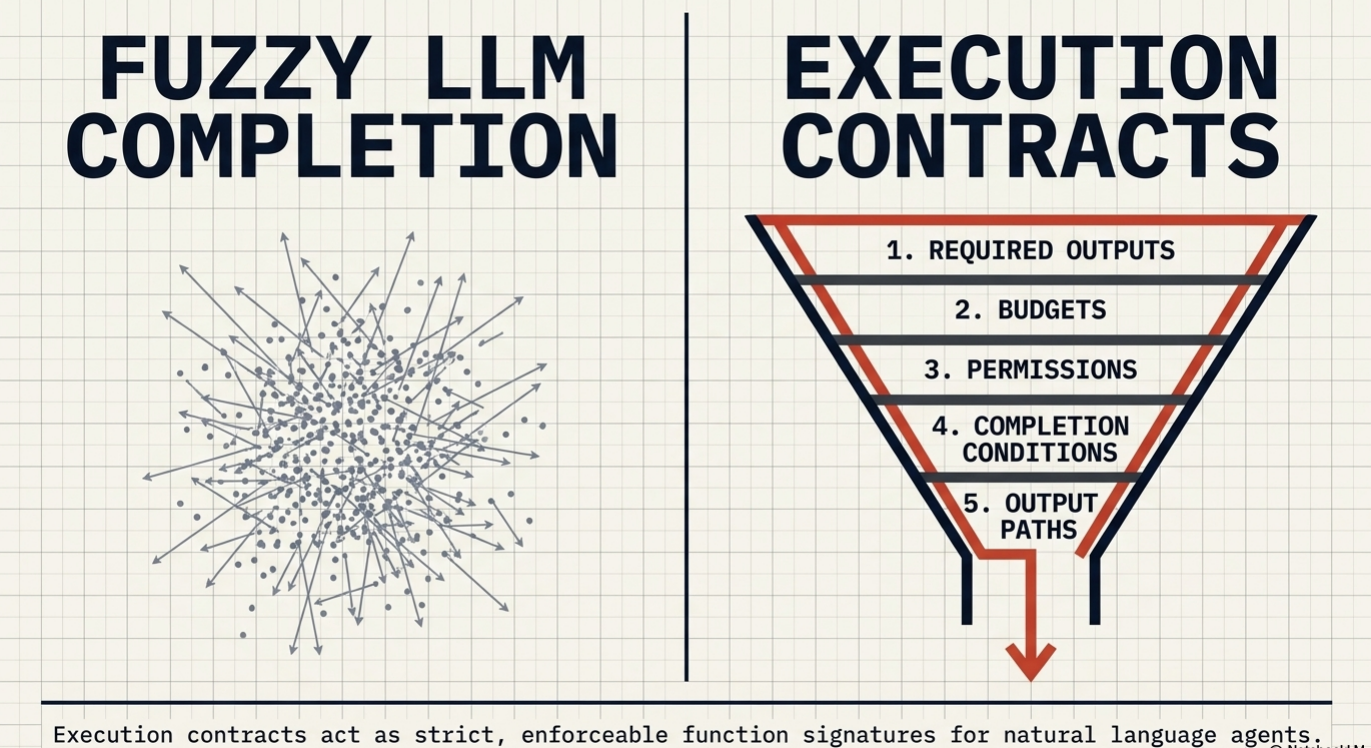
Execution Contracts vs. Fuzzy Completion: Turning unpredictable outputs into bounded agent calls.
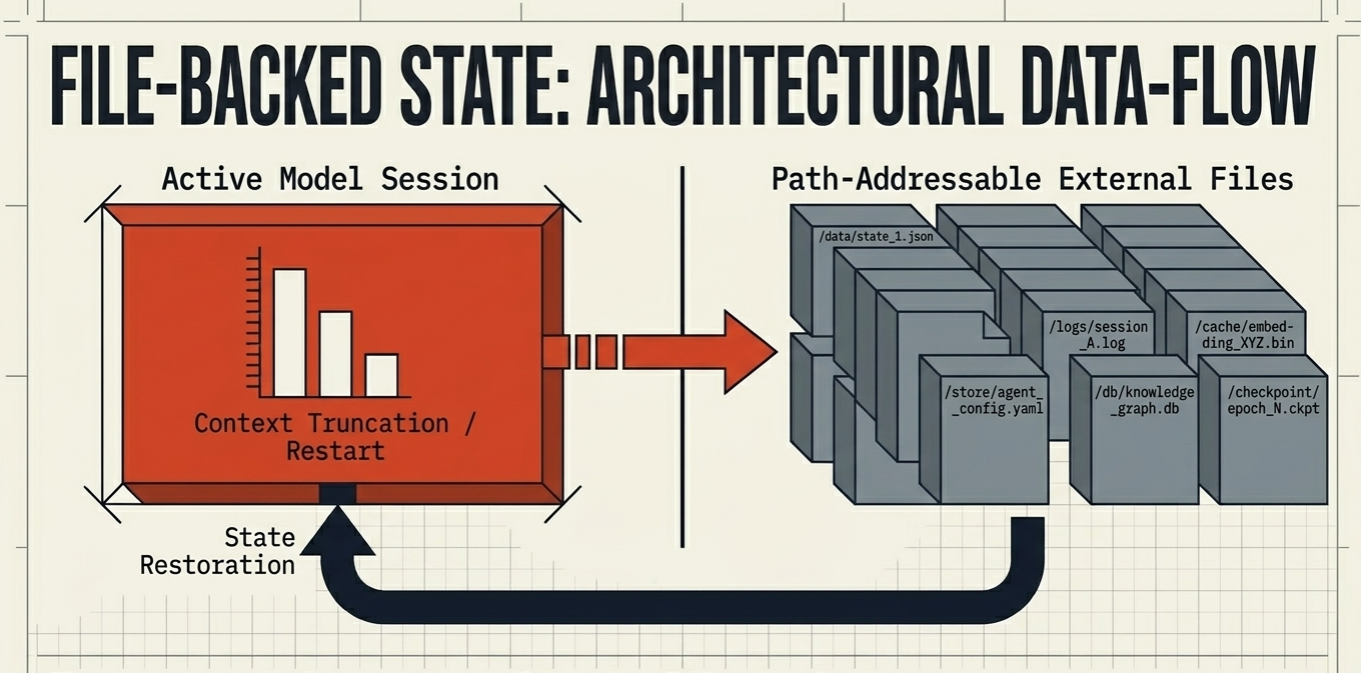
File-Backed State: Memory must be externalized to survive context truncation and restarts.
The Craft of Subtraction: Less is More
One of the most surprising findings in harness research is that more structure is not always better. An ablation study on SWE-bench showed that a “stripped-down” harness achieved nearly the same 74–76% resolution rate as a full harness but at 1/14th the compute cost.
The stripped-down version used 1.2 million tokens compared to 16.3 million and finished in under 7 minutes vs. 32 minutes. Mature harness engineering is a craft of subtraction — as models evolve, they “absorb” capabilities, allowing engineers to prune away unnecessary complexity.
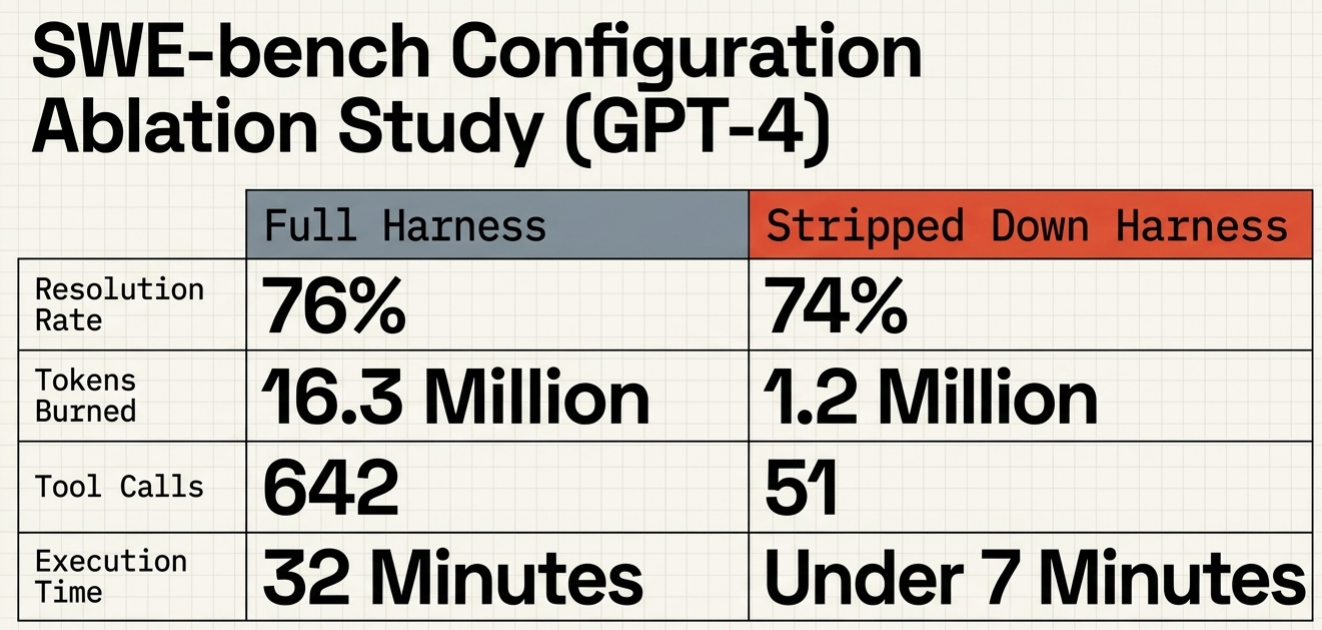
SWE-bench Configuration Ablation Study: Stripping the harness can yield the same results at 1/14th the cost.
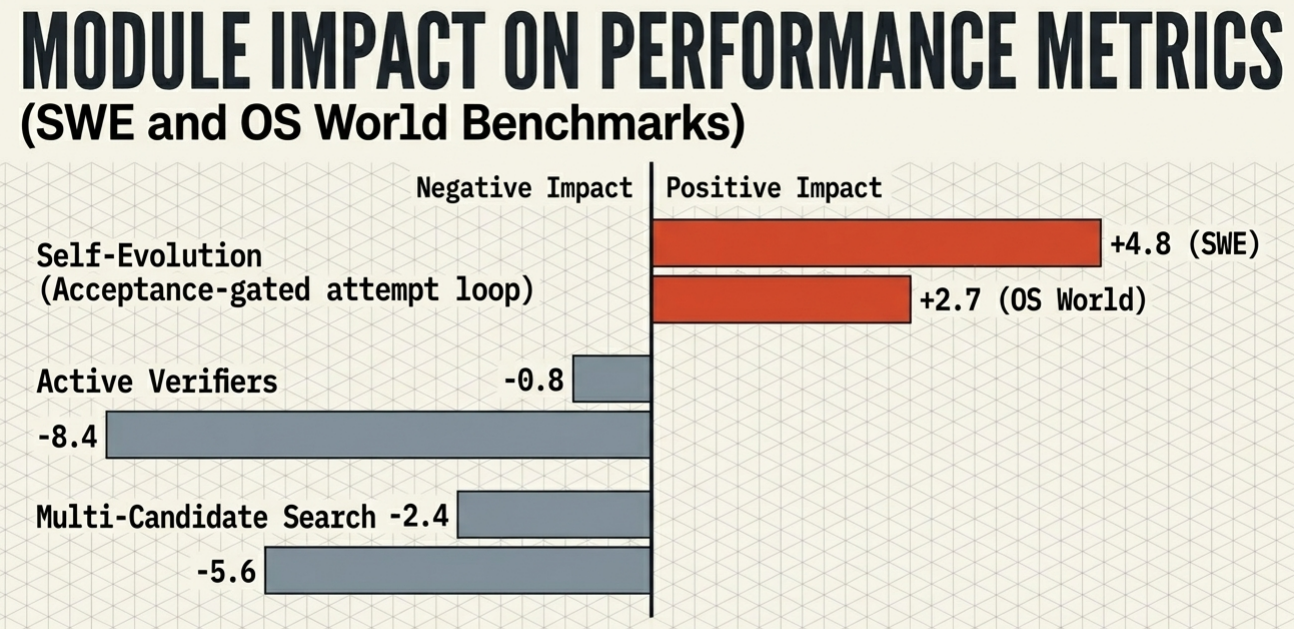
The Craft of Subtraction: Mature engineering involves pruning structure as models improve.
The “Rank Inversion”: Can a Smaller Model Beat a Giant?
The most staggering proof of harness power is Rank Inversion. Using Stanford’s Meta Harness — an optimization target that rewrites its own pipeline topology — researchers achieved a shocking result on Terminal Bench 2.
Claude Haiku (a smaller, cheaper model) with an auto-optimized harness outranked Claude Opus (a much larger foundation model) using a manual harness. This proves that the signal for success lives in the raw execution traces, not just the model weights.
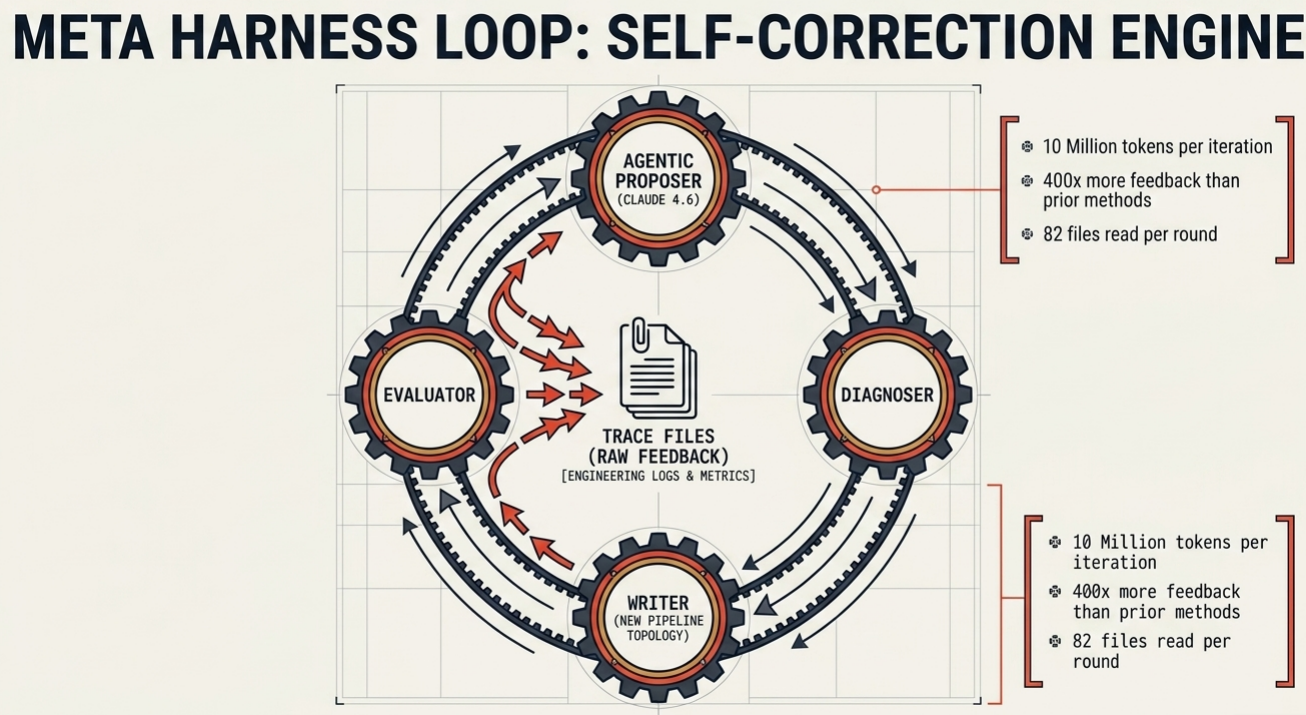
Meta Harness Loop: A self-correction engine that rewrites pipeline topology based on raw trace feedback
Safety and the Future: Co-Evolution
As we move toward a systematic science, the “attack surface” is also changing. Research shows that 1 in 4 community-contributed agent skills already contains a vulnerability.
To combat this, frameworks like DeepMind’s Auto Harness and Agentspec are compiling safety rules directly into the harness. This “Safety as a DSL” approach can prevent over 90% of unsafe executions at the structural level.
The reusable asset in AI is no longer just the model weights — it is the harness. A harness optimized on one model can transfer to others, improving all of them.
Investing in your harness yields larger, faster, and more reliable gains than waiting for the next model upgrade. If you build AI agents, you are a Harness Engineer. It’s time to stop waiting for the next “brain” and start building a better Operating System.
메타데이터
- post_id
- 700127ab024c
- slug
- rise-of-harness-engineering-guide-to-ai-control-panel-using-harness-engineering-700127ab024c
- url
- https://medium.com/@kram254/rise-of-harness-engineering-guide-to-ai-control-panel-using-harness-engineering-700127ab024c
- canonical_url
- https://medium.com/@kram254/rise-of-harness-engineering-guide-to-ai-control-panel-using-harness-engineering-700127ab024c
- author_url
- https://medium.com/@kram254
- status
- ok
- fetched_at
- 2026-06-14 13:58:26