The Thai Monarchy: The Institution That Shapes Thai Politics
Thailand is a constitutional monarchy. The king is the head of state. The king is also the symbol of national unity. The monarchy is the…
The Thai Monarchy: The Institution That Shapes Thai Politics
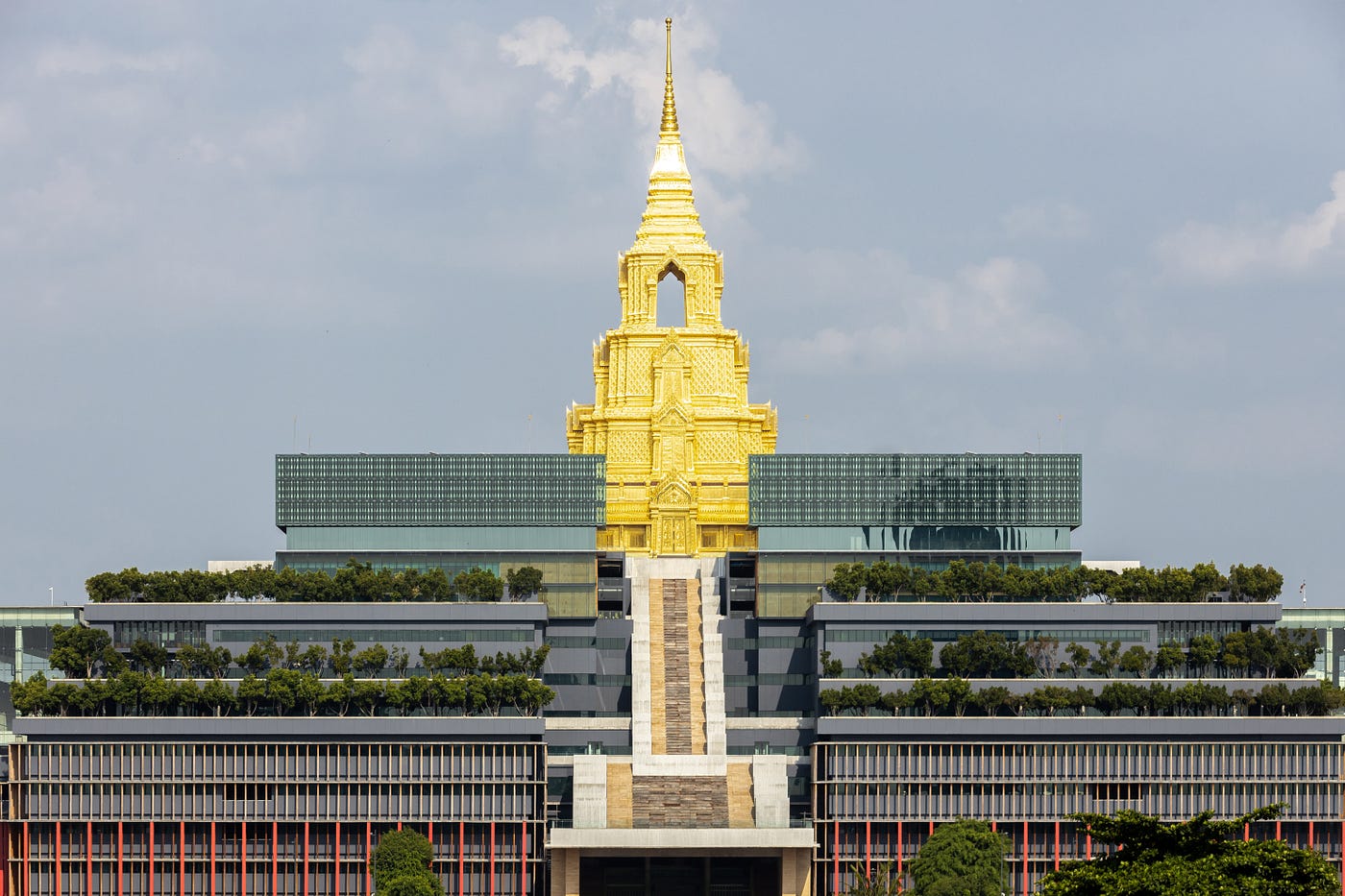
The Thai Parliament Building (Sappaya-Sapasathan) in Bangkok, the seat of the National Assembly, where the monarchy’s constitutional role is formalized through annual opening ceremonies and legislative proceedings
Thailand is a constitutional monarchy. The king is the head of state. The king is also the symbol of national unity. The monarchy is the institution that shapes Thai politics. Its influence is felt in every period of Thai history.
The Monarchy’s Constitutional Role
The 2017 constitution defines the king’s role. The king is the head of state. The king is the head of the armed forces. The king is the defender of the Buddhist faith. The king is also the symbol of national unity.
The king’s constitutional powers are limited. The king must act on the advice of the government and the judiciary. The king must follow the constitution. The king’s role is largely ceremonial.
But the monarchy’s influence extends beyond the constitution. The king is the symbol of national unity. The king is the institution that shapes Thai politics. The monarchy’s influence is felt in every period of Thai history.
The Monarchy’s Historical Role
The monarchy has been the central institution of Thai politics for centuries. The king was the absolute ruler of the country. The king was the head of the armed forces. The king was the defender of the Buddhist faith. The king was the symbol of national unity.
The monarchy’s power was limited in 1932, when the country adopted a constitutional monarchy. The king’s role became largely ceremonial. But the monarchy’s influence extended beyond the constitution. The king remained the symbol of national unity. The king remained the institution that shaped Thai politics.
The Monarchy’s Political Influence
The monarchy’s political influence is exercised through the military and the judiciary. The military has framed its role as the guardian of the monarchy. The judiciary has been used to protect the monarchy and to suppress political opponents. The monarchy’s influence is felt in every period of Thai history.
The monarchy’s political influence is also exercised through its public image. The king is the symbol of national unity. The king is the institution that shapes Thai politics. The monarchy’s public image is carefully managed. The monarchy’s influence is felt in every period of Thai history.
The Monarchy’s Future
The monarchy’s future is uncertain. The country faces deep divisions. The monarchy’s role in politics is contested. The monarchy’s public image is under scrutiny.
The monarchy’s future is uncertain. The country’s political future is uncertain. The monarchy’s future will shape Thailand’s political future. The monarchy’s future is uncertain.
Conclusion
The monarchy is the institution that shapes Thai politics. The monarchy’s influence is felt in every period of Thai history. The monarchy’s future is uncertain. The monarchy’s future will shape Thailand’s political future. The monarchy’s future is uncertain.
메타데이터
- post_id
- 7018ececdcd6
- slug
- the-thai-monarchy-the-institution-that-shapes-thai-politics-7018ececdcd6
- url
- https://medium.com/@deondrewaltenberger/the-thai-monarchy-the-institution-that-shapes-thai-politics-7018ececdcd6
- canonical_url
- https://medium.com/@deondrewaltenberger/the-thai-monarchy-the-institution-that-shapes-thai-politics-7018ececdcd6
- author_url
- https://medium.com/@deondrewaltenberger
- status
- ok
- fetched_at
- 2026-07-21 05:35:08