Beyond the Pedestal
What If Everything You Knew Was a Projection?
Beyond the Pedestal
What If Everything You Knew Was a Projection?
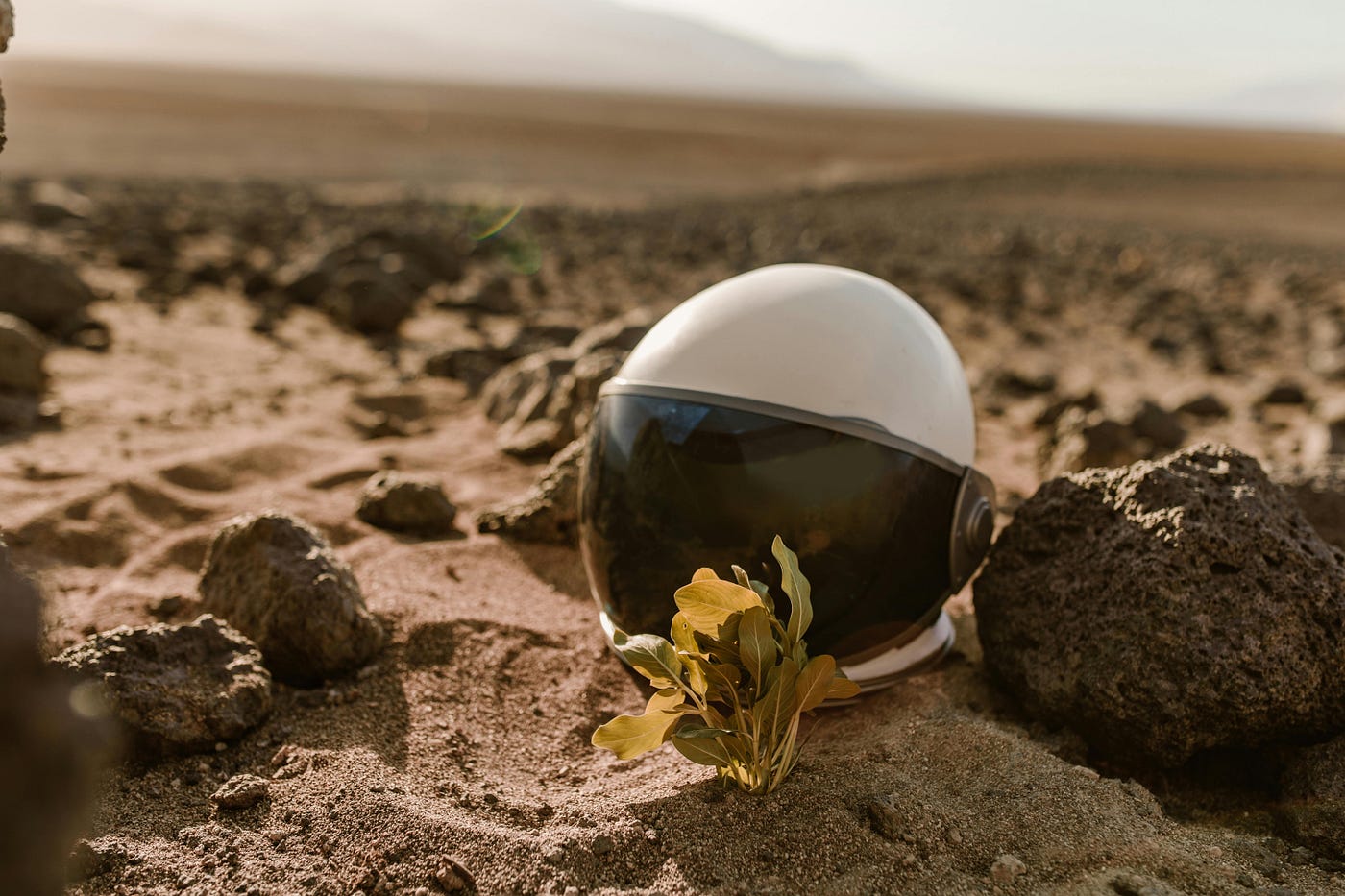
Photo by RDNE Stock project On Pexels
Have you ever wondered if your own self is not really yours, but just a remote in the hands of some invisible force?
Have you ever noticed how behind every smile, behind every silence, behind every fear, there seems to be a program already written?
And if that is true, then who is truly alive — you, or your programming?
Sometimes it feels as if the world we live in is not what it appears to be, but a script already written long before we act it out. Yet the real question is, whose hands hold that script — ours, or theirs?
This is where my story begins…
I remember it clearly. A rainy evening, years ago, in a small theater. The movie on screen was a sci-fi story about robots built to look exactly like us. They spoke like us. They even smiled in that imperfect, almost-human way that makes you lean forward and think, wait, is this real?
But the longer I watched, the stranger it felt. These “humans” weren’t real at all. They were carefully built bodies, programmed voices, gestures copied from someone’s imagination of what a person should look like.
And in the middle of that movie, a thought slipped in quietly, the kind that doesn’t leave even after the credits roll.
Isn’t this exactly what we’ve done to women for centuries?
The Borrowed Images We Call “Woman”
If you ask a dictionary what a woman is, you get a flat, lifeless answer: “an adult human female.”
But in real life, the word carries so much baggage it almost collapses under its own weight.
She is a mother, wife. She is gentle. She is emotional, trouble. She is pure.
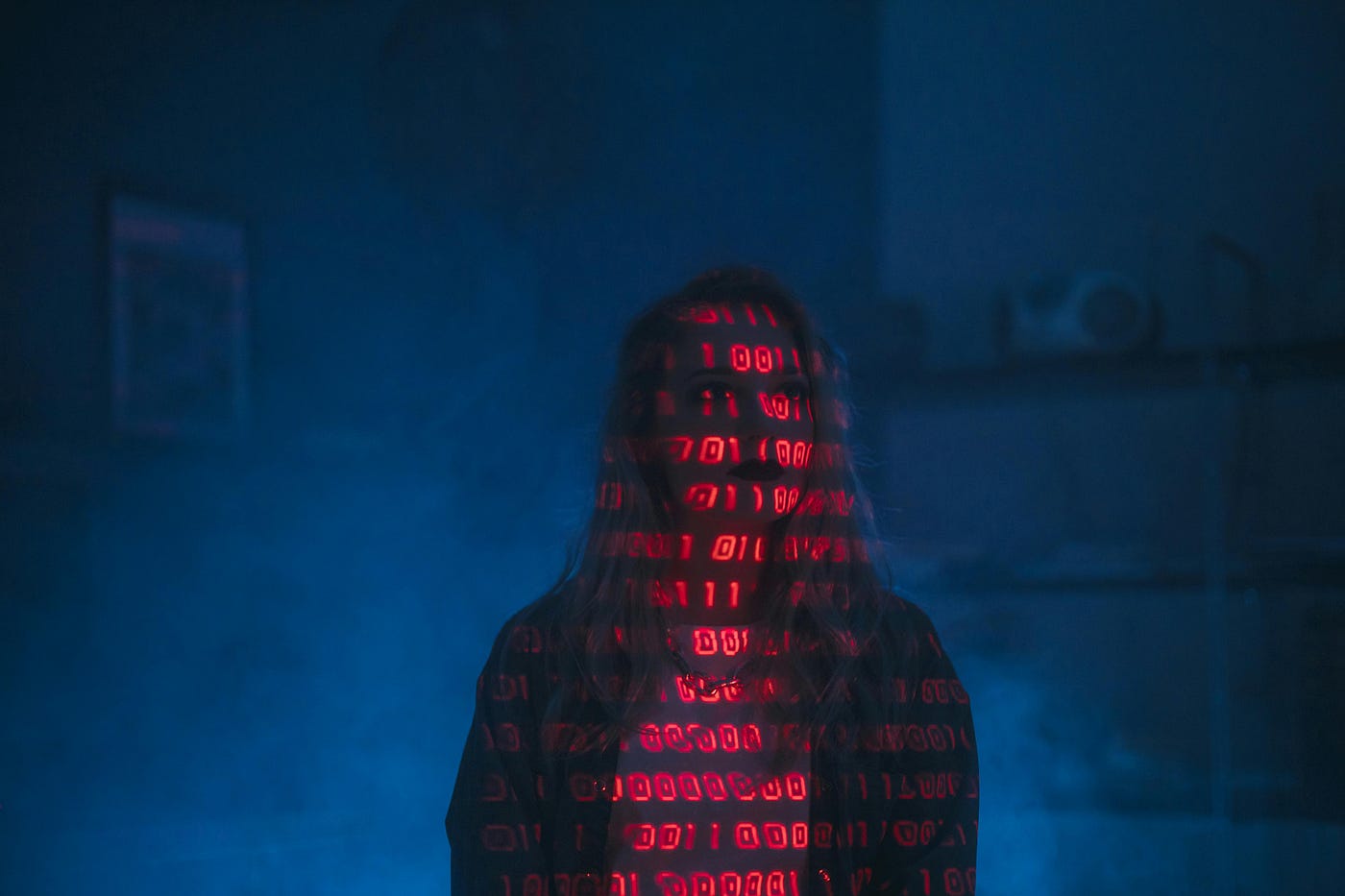
Photo by cottonbro studio On Pexels
Different faces, different costumes, depending on who’s looking.
History never gave her a neutral definition. Instead, it draped her in other people’s imaginations. In ancient stories, she was a goddess, untouchable and flawless. In family discussions, she was the one who should “adjust.” In movies, she was often the love interest, there to make the hero’s story shine brighter.
And here’s the tricky part: those portraits rarely came from women themselves. They came from men, or from systems that benefited from a woman being seen in a certain way.
It’s like the world has been screening its own sci-fi film for centuries, projecting versions of “woman” onto a blank canvas, changing the costume as needed — mother, muse, temptress, servant, queen. The actors change, the lines change, but the director rarely does.
Once, while traveling on an overnight train, I shared a compartment with two older women. They spoke in hushed voices, the way strangers do when the night is heavy.
One of them said,
“My granddaughter wants to study engineering. But I told her, it’s not really for girls. She should choose something lighter. Something safer.”
There was no anger in her tone. No cruelty. Just the calm repetition of a line she must have heard her whole life.
And I sat there, pretending to read, but really thinking: isn’t this how the script survives? Not only written by men, but repeated and reinforced even by women, until it feels natural, almost sacred.
When a girl is told she’s delicate, she starts holding herself that way. When she’s told her place is the kitchen, she builds her ambitions around that invisible wall. When she’s told sacrifice is her greatest virtue, she feels guilty for wanting joy.
She doesn’t just play the role. She starts believing it was hers to begin with.
The Many Costumes
If you step back, you can see how many roles “woman” has been forced to wear.
In old mythology, she was divine: Shakti, Durga, Venus, Athena. But divinity came with a trap. A goddess can’t be messy or flawed. She can’t cry out of frustration or want something for herself. She has to stay perfect, or she loses her pedestal.
In medieval times, she was fragile, the one to be “protected.” But protection often meant control. A bird kept in a golden cage is still caged.
In the Victorian world, she became “the angel in the house,” praised for purity and selflessness. But always inside the home. Always framed by walls.
And in today’s advertising, she is everywhere. Selling beauty creams. Selling cars. Selling lifestyles. Always smiling, always flawless, always carrying the unspoken line: you’re not enough until you buy this.
One woman. A thousand images. None truly hers.
Now imagine, for a second, that someone came up to you and said: Every definition of woman you’ve ever known is false. A hologram. A projection. Just like those robots in the movie.
Wouldn’t it feel like you’ve been living inside a simulation all along?
Because if one culture calls her sacred, another calls her dangerous, another calls her weak, another calls her the “pillar of the family,” then which one is true?
Maybe none of them.
Maybe womanhood was never meant to have a single definition at all.
Why the Mirage Survives
So why does the mirage survive?
Because it’s convenient.
A society that wants obedience paints women as selfless. A religion that wants purity paints them as sinful unless controlled. A market that wants profit paints them as incomplete without its products.
Every version of “woman” has been less about women and more about power. About keeping order. About making sure the system runs smoothly.
And the most clever trick of all? Convincing women themselves that the script is natural, even holy.
How many times have you heard, “That’s just how women are”?
But who decided that? And why does it always sound suspiciously like someone else’s benefit hiding under the label of “nature”?
That night in the theater, the robots never broke free. They stayed in their programmed world, playing out the roles someone else had written for them.
But women are not robots.
The sci-fi projection flickers. The curtain trembles.
The question is, will we let it fall? Or will we keep watching the hologram, pretending it was ever real?
I’m grateful you spent your time here. If you want to help me keep it growing, a small tip goes a long way. Let’s keep this journey going together! ☕💛 [Buy Me a Coffee here]
메타데이터
- post_id
- 701f8101260d
- slug
- beyond-the-pedestal-701f8101260d
- url
- https://medium.com/everyday-rebellion/beyond-the-pedestal-701f8101260d
- canonical_url
- https://medium.com/everyday-rebellion/beyond-the-pedestal-701f8101260d
- author_url
- https://medium.com/@silentScars
- status
- ok
- fetched_at
- 2026-07-09 03:40:04