Ensuring Finality: The Role of Verified Notification in an Enforceable Myanmar Divorce
The dissolution of a marriage is a complex legal and emotional journey, especially within the unique jurisdictional framework of Myanmar…
Ensuring Finality: The Role of Verified Notification in an Enforceable Myanmar Divorce
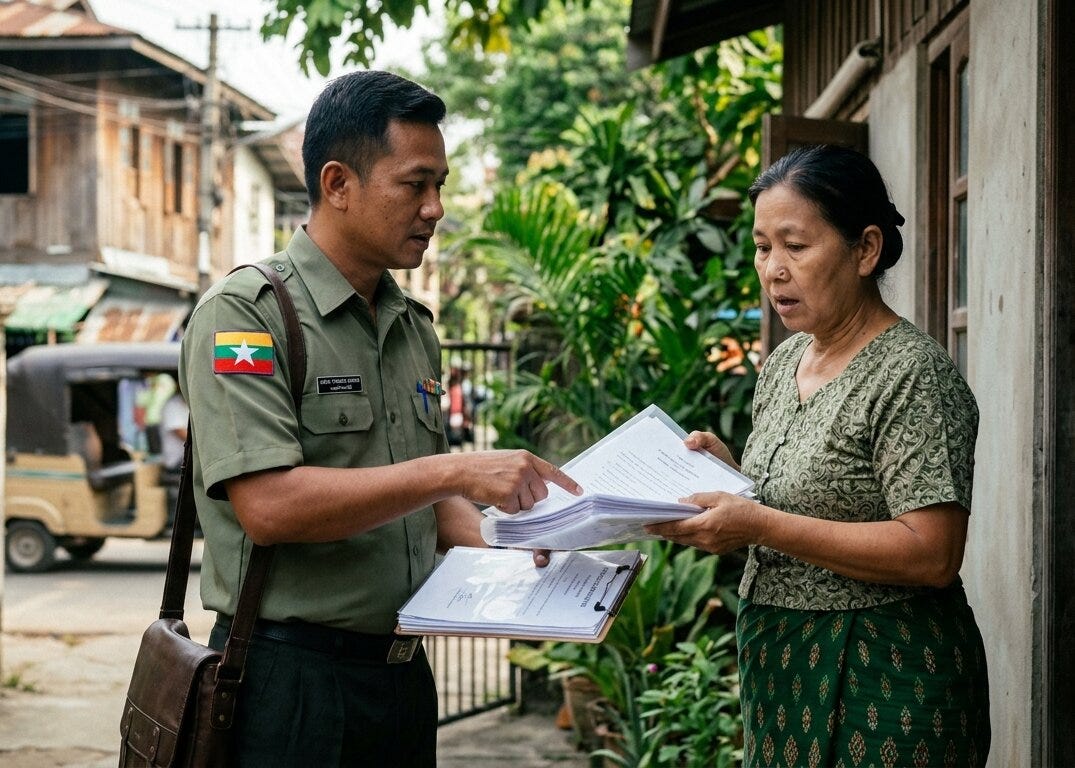
Explore the critical intersection of judicial integrity and physical document delivery as we examine how professional process servers ensure the validity of a Service of Process Myanmar (Burma) in complex domestic and international divorce proceedings.
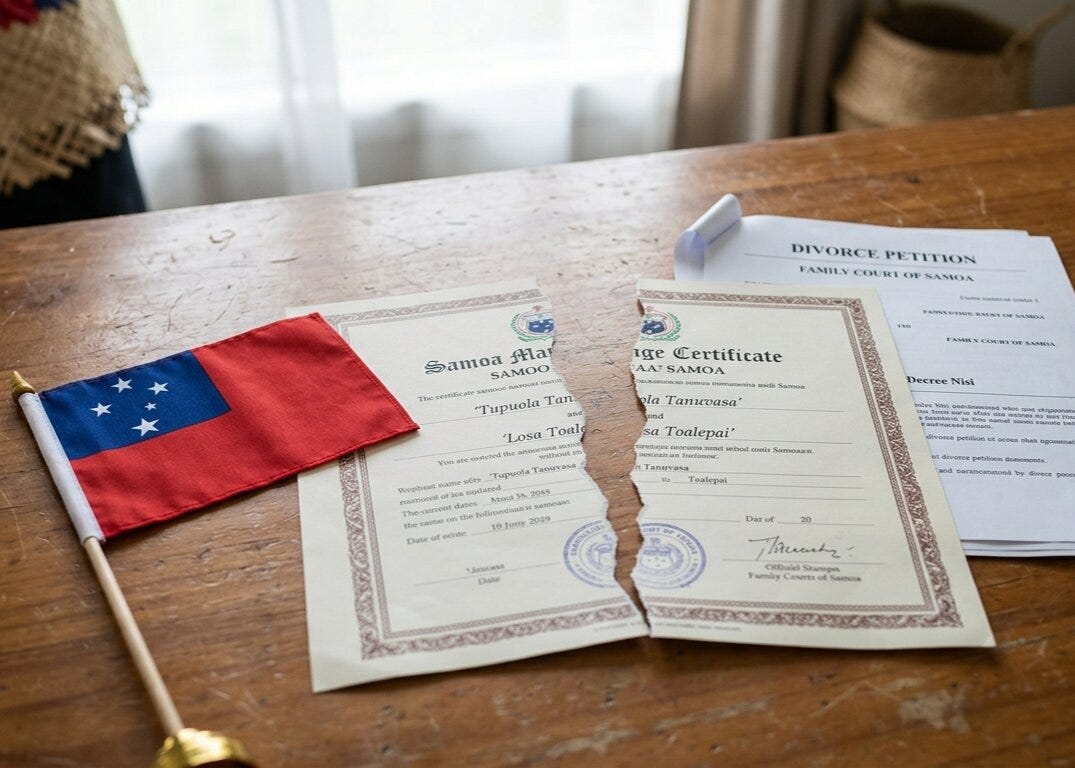
The dissolution of a marriage is a complex legal and emotional journey, especially within the unique jurisdictional framework of Myanmar (Burma). In this Southeast Asian nation, divorce is not merely a personal decision but a formal legal process that requires strict adherence to statutory requirements and judicial procedures. Whether governed by the Myanmar Buddhist Women’s Special Marriage Law or the various religious and civil codes applicable to different communities, the transition from a married state to a legal separation involves a series of mandatory steps designed to protect the rights of both parties.
Central to this legal journey is the concept of notice. For a court to exercise its authority and make binding decisions regarding property, custody, and the status of the marriage itself, it must ensure that the respondent has been formally notified of the proceedings. This notification is not a mere courtesy; it is a fundamental pillar of justice. Without a verified and formal delivery of legal papers, a case cannot move forward, as the court must respect the principle of “due process,” ensuring that no individual is deprived of their legal rights without the opportunity to be heard.
In the complex environment of the Myanmar legal system, the role of professional agents specializing in **Service of Process Myanmar (Burma)** becomes indispensable. These professionals act as the bridge between the judiciary and the parties involved, ensuring that the legal machinery functions smoothly and that all notifications are handled with the precision required by the Union Judiciary Law and the Code of Civil Procedure.
Understanding the Function of Legal Delivery Specialists
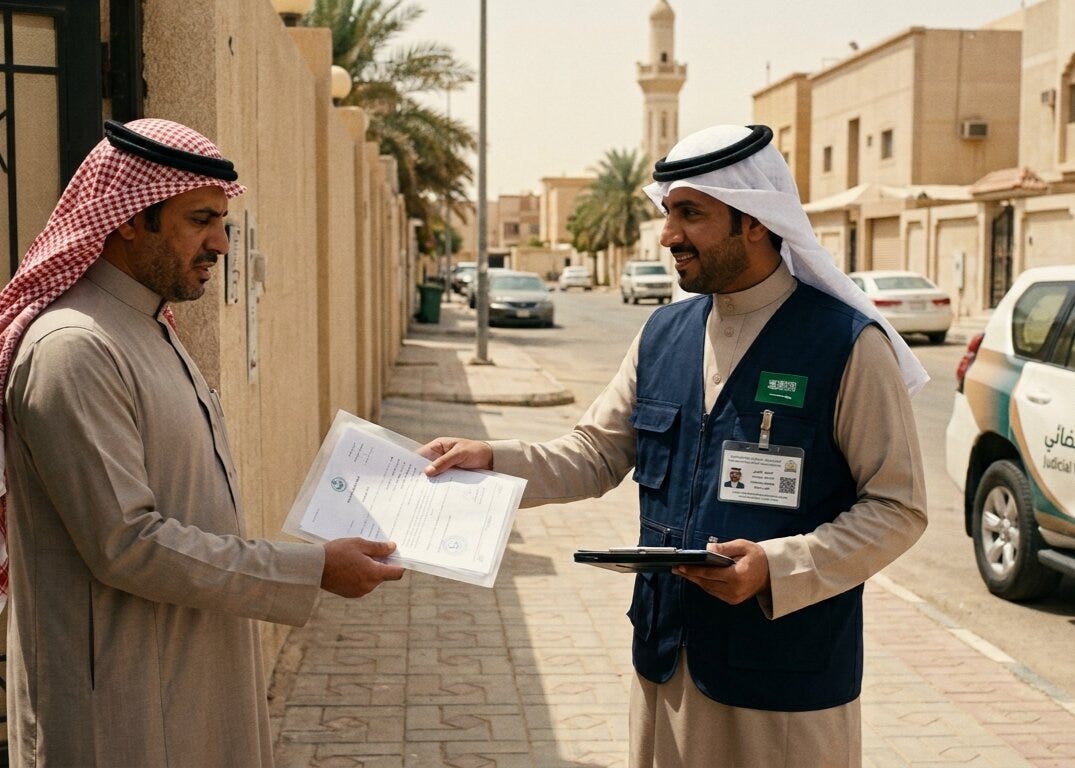
A process server is a dedicated professional tasked with the physical and legal delivery of court documents to a specific individual or entity. In the context of a divorce, their primary objective is to find the respondent — the spouse who did not initiate the filing — and hand-deliver the legal summons and petition. This act confirms to the court that the individual has been alerted to the lawsuit and has been given a specific timeframe to provide a response.
The Legal Necessity of Proper Notification
In Myanmar (Burma), the legal validity of a divorce decree rests heavily on whether the defendant was properly served. The Code of Civil Procedure (specifically Order 5) outlines how summons must be handled. If a person is not served according to these strict rules, any subsequent judgment, such as an ex-parte decree, could be challenged or overturned. Therefore, **Service of Process Myanmar (Burma)** is not just about moving paper from point A to point B; it is about establishing a legal record that the court’s jurisdiction has been activated. Proper service prevents the legal “ambush” of a spouse and ensures that the resulting court orders are enforceable both domestically and, if necessary, internationally.
Navigating Domestic and Global Jurisdictions
The responsibilities of these professionals often extend beyond local neighborhoods. In an increasingly globalized world, it is common for one spouse to reside in Yangon or Mandalay while the other lives abroad. Professional servers must be adept at navigating the logistical hurdles of domestic service — which might involve traveling to remote townships — while also understanding the formalities required for cross-border cases. Whether the respondent is in a bustling urban center or a rural village, the server must follow the procedural rules of the Myanmar courts to ensure the **Service of Process Myanmar (Burma)** is recognized by the judge presiding over the case.
Essential Paperwork Handled in Myanmar Matrimonial Actions
When a party initiates a divorce, several key documents must be prepared and delivered. Each document serves a specific purpose in the litigation lifecycle, and missing even one can result in the court dismissing the petition.
The Summons and Complaint
The most critical document is the Summons, which is a formal notice from the court commanding the respondent to appear or respond. Accompanying this is the Plaint or Petition for Divorce, which outlines the grounds for the split, the desired division of assets, and arrangements for any children. **Serving divorce documents in Myanmar (Burma)** involves ensuring these two documents reach the respondent simultaneously so they have a full understanding of the claims being made against them.
Financial Disclosures and Interlocutory Orders
Beyond the initial petition, other documents might include applications for temporary maintenance (alimony), child support, or injunctions to prevent the dissipation of marital assets. Serving divorce documents in Myanmar (Burma) may also require delivering notices for court hearings or affidavits that support specific motions. Each of these deliveries must be meticulously logged, as the date of service often triggers specific legal deadlines for the respondent to file their counter-arguments.
Overcoming Obstacles in the Field
The path to successful delivery is rarely a straight line. Process servers in Myanmar face a unique set of challenges that require patience, ingenuity, and a deep understanding of local social dynamics.
Locating Evasive Respondents
One of the most frequent difficulties is the “evasive respondent.” A spouse who does not want the divorce or wishes to delay legal proceedings may intentionally avoid the server. They might move without leaving a forwarding address, hide behind family members, or refuse to open their door. In Myanmar, where residential records may not always be digitally updated, finding an individual requires “skip tracing” or investigative work. This involves interviewing neighbors, checking local ward offices, or monitoring known places of employment to facilitate the **Service of Process Myanmar (Burma)**.
Geographic and Political Complexities
Myanmar’s diverse geography presents its own set of hurdles. Reaching a respondent in mountainous regions or areas with limited infrastructure requires significant logistical planning. Furthermore, political instability or localized unrest in certain states can make physical access dangerous or restricted. A professional server must be able to assess these risks and find legal alternatives, such as “Substituted Service,” where the court allows the papers to be posted at a known residence or published in a local newspaper if personal service is proven to be impossible.
The Importance of Professional Neutrality
Divorce cases are high-conflict by nature. When a server approaches a respondent, they are often met with anger, tears, or even threats. Maintaining a neutral, professional demeanor is vital. The server must remain calm and focus on the task of delivery, ensuring that the legal requirements are met without escalating the emotional tension of the situation. This level of professionalism is what distinguishes a specialized agent from a casual courier when performing **Service of Process Myanmar (Burma)**.
Illustrative Scenarios of Complex Deliveries
To understand the reality of the work, consider a case where a respondent lives in a gated community with strict security or a high-rise building in Yangon. A process server might have to wait for hours for the individual to emerge or use creative legal strategies to gain access to the premises. In another scenario, a respondent might be working in a remote mining or agricultural site. The server must navigate difficult terrain to ensure the paperwork is placed in the respondent’s hands. These real-world examples highlight why the court relies so heavily on specialized professionals to verify that **Service of Process Myanmar (Burma)** has truly occurred.
Considerations for Cross-Border Divorce Litigation
As families become more international, the need to serve papers across borders has grown exponentially. This adds a layer of complexity that goes far beyond local court rules. **Serving divorce papers abroad** requires more than just mailing documents overseas. Accurate legal translations, compliance with international treaties, and proper service procedures are critical to avoid costly delays or rejected filings. A single translation error can set your case back months, potentially causing the court to lose jurisdiction or necessitating a complete restart of the filing process.
When serving divorce papers abroad, one must be mindful of the recipient country’s specific laws regarding foreign legal documents. In Myanmar, if the respondent is a foreign national or a citizen living in another country, the court will require strict proof that the service complied with both Myanmar law and the local laws of the country where the respondent resides. This is why involving an expert in international logistics is vital to the integrity of the **Service of Process Myanmar (Burma)**.
Consequences of a Respondent’s Failure to Act
Once the documents have been successfully delivered, the clock starts ticking. But what happens if the respondent simply ignores the papers? This is a common concern for many petitioners in Myanmar.
The Path to an Ex-Parte Judgment
If the respondent fails to file a “Written Statement” or appear in court after being served, the case does not simply disappear. Instead, it moves toward a “default” or “ex-parte” proceeding. The court, satisfied that the **Service of Process Myanmar (Burma)** was executed correctly, will allow the petitioner to present their evidence without the other side’s input.
Steps in the Default Process:
- Verification of Service: The court examines the Affidavit of Service to confirm the respondent was notified.
- Grace Period: The court may grant a short extension to ensure the respondent has every opportunity to appear.
- Ex-Parte Hearing: The petitioner presents their testimony and evidence regarding the marriage and their requests for asset division or custody.
- Decree Issuance: The judge issues a ruling based on the evidence provided by the petitioner.
The Vital Role of Documentation
The entire default process hinges on one thing: the proof of service. The “Affidavit of Service” or “Return of Service” is a sworn statement by the process server detailing exactly when, where, and to whom the papers were delivered. This document is the shield that protects the petitioner’s eventual divorce decree. If the **Service of Process Myanmar (Burma)** is not documented with absolute clarity, the respondent could later claim they were never notified, potentially leading the court to set aside the judgment and forcing the petitioner to restart the entire legal battle.
Conclusion: Protecting the Integrity of the Legal Process
The role of a process server in a Myanmar divorce is often overlooked, yet it is the foundation upon which the entire legal case is built. By ensuring that all parties are properly notified, these professionals uphold the standards of the Myanmar judiciary and ensure that the final outcome — the divorce decree — is legally sound and resistant to future challenges.
Professional **Service of Divorce Documents in Myanmar (Burma)** protects both the petitioner and the respondent. It provides the petitioner with a clear path forward and the respondent with their rightful opportunity to participate in the legal system. In a landscape as complex as Myanmar’s, relying on experts who understand the nuances of local law and the challenges of international delivery is the most effective way to navigate the end of a marriage.
Secure Expert Assistance for Your International Legal Needs
If you are navigating a divorce that involves parties in different countries, you cannot afford to leave the delivery of your legal documents to chance. Ensuring that your paperwork is handled with precision and in compliance with international standards is essential for a smooth legal process.
For reliable and professional assistance with serving divorce papers abroad and navigating the complexities of **Service of Process Myanmar (Burma)**, reach out to the specialists at Stellar Konsulting. Our team is dedicated to providing efficient, transparent, and legally compliant service across borders.
- Phone: +1 (213) 786 1161
- Email: operations@stellarkonsulting.com
- Website: https://stellarkonsulting.com/
Let our experts handle the logistical burdens of your case so you can focus on the next chapter of your life. Get in touch with us now to ensure your legal documents are served correctly the first time.
**SUBMIT YOUR PROCESS SERVICE REQUEST NOW**
Disclaimer
This article is provided for informational purposes only and does not constitute legal advice. Laws regarding divorce and service of process in Myanmar (Burma) are subject to change and may vary based on specific religious or local jurisdictions. Readers should consult with a qualified legal professional licensed to practice in Myanmar for specific advice regarding their individual legal situation.
메타데이터
- post_id
- 702590ced0b8
- slug
- divorce-process-myanmar-burma-702590ced0b8
- url
- https://medium.com/@internationalprocessservice/divorce-process-myanmar-burma-702590ced0b8
- canonical_url
- https://medium.com/@internationalprocessservice/divorce-process-myanmar-burma-702590ced0b8
- author_url
- https://medium.com/@internationalprocessservice
- status
- ok
- fetched_at
- 2026-07-28 14:41:34