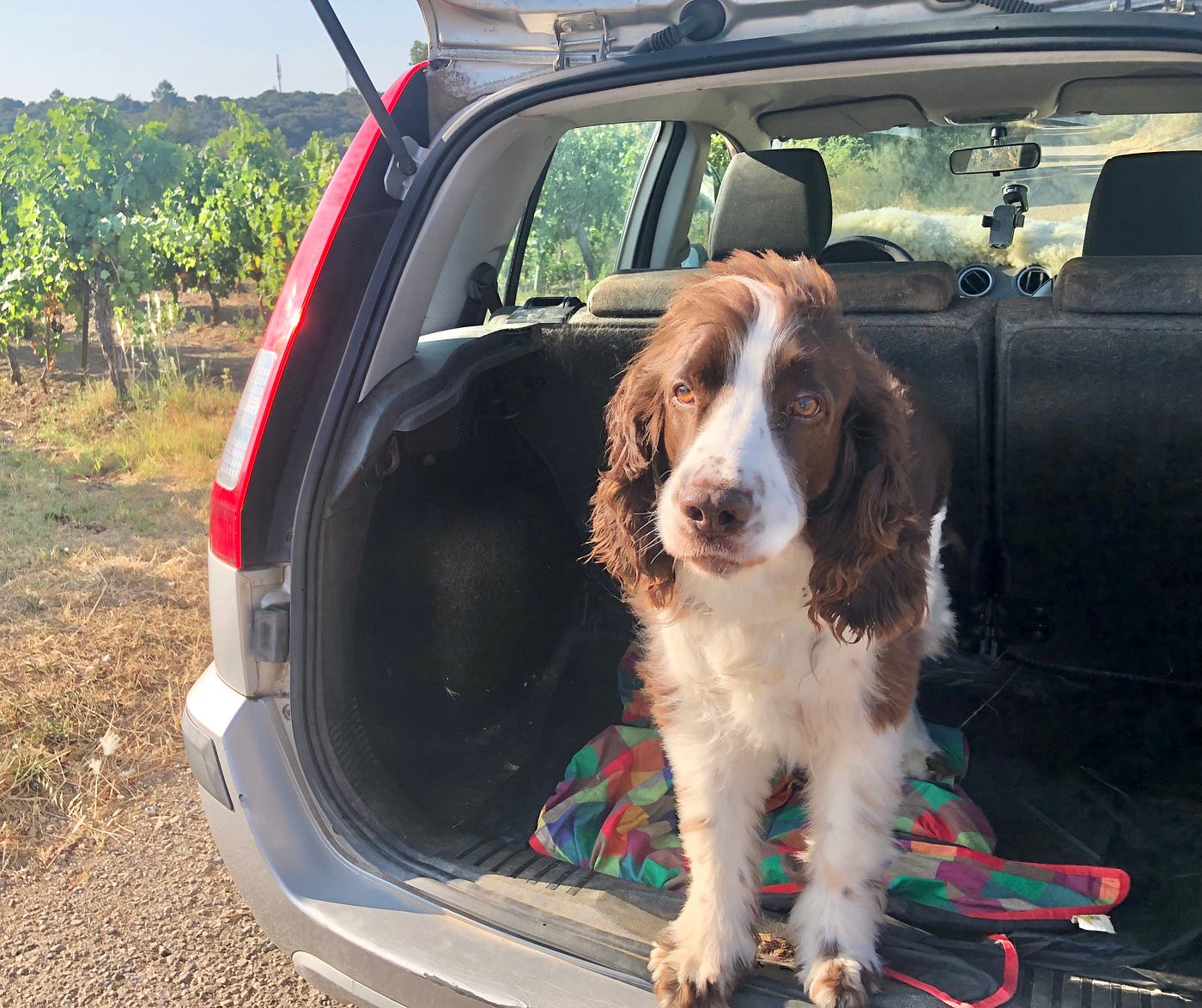
Driving With a Service Dog in BC — Valley Driving School
Across British Columbia, the number of people who find life-changing help from certified service dogs and support animals is growing every…
Driving With a Service Dog in BC — Valley Driving School
Across British Columbia, the number of people who find life-changing help from certified service dogs and support animals is growing every single year. These furry companions do everything from alerting handlers to medical emergencies to helping those with anxiety feel safe enough to leave the house. Since so many of us rely on these animals for our well-being, it is only natural that they need to travel with us. However, balancing your animal’s needs with BC driving laws requires careful planning for both human rights and road safety. Whether you are preparing to get your driver’s license through the Graduated Licensing Program (GLP), or you have been driving for decades, knowing how to transport your animal safely is the key to maintaining focus and protecting everyone on the road.
We will cover the legal distinctions between service and support animals in BC, the physical safety rules of where your animal can ride, how to stay safe while keeping physical contact with your animal, and the official policies for taking an ICBC road test with a working dog.
What is the difference between a service dog and a support animal in BC?

In British Columbia, only certified guide and service dogs have protected public access rights under the Guide Dog and Service Dog Act. Emotional support animals (ESAs) and therapy dogs do not require specialized task training and do not hold the same legal status or public access protections under BC law.
While many British Columbians find comfort and mental health support from emotional support animals, our provincial government draws a clear line between these companions and certified service dogs. To be recognized as an official service dog team in BC, a dog must be trained to perform specific tasks that help with their handler’s disability, and they must be certified through accredited organizations or pass a provincial safety assessment. This means a certified service dog has legal protection to accompany you in public venues, ride-share vehicles, and transit buses, whereas an emotional support animal is generally treated as a pet under standard business rules. However, some businesses and government entities (such as ICBC) may be willing to make concessions for support animals, so it’s a good idea to check with them first if you have any questions.
Can a service dog legally ride in the front seat?
There is no specific BC law that explicitly bans service dogs from sitting in the front passenger area, but safety guidelines strongly discourage it. Front seat airbags deploy with incredible force and can cause fatal injuries to an animal resting in the front seat or passenger footwell.
Even with the legal right to travel with your service dog, your car’s safety features, like airbags, don’t distinguish between human and animal passengers. Airbags are engineered to protect adult humans, not animals. If an animal is sitting on the front seat or even resting on the floor of the passenger side, a deploying airbag can cause severe or fatal harm. Keeping an animal in the front seat also increases the risk of driver distraction. Under BC’s Motor Vehicle Act, a driver can face hefty fines for distracted driving or driving without due care and attention if an unrestrained animal blocks their line of sight, interferes with their steering, or gets tangled around the pedals. For the safety of both you and your furry friend, the backseat or a secured spot within the main vehicle cabin remains the best location.
How do you safely secure a service or support animal in a car?

Safely securing your animal is best achieved by using a crash-tested vehicle harness attached to the seatbelt system, or a secured travel crate in the back of the vehicle. These restraints keep your animal stable during sudden stops and prevent them from becoming dangerous projectiles.
When you are driving around the busy streets of Langley, keeping your animal secure is an important part of everyday defensive driving. Many handlers worry that securing their service dog in a harness or crate will prevent them from doing their job, especially for dogs trained in medical alerts or tactile grounding, so to balance safety and function, you can utilize a crash-tested, tethered safety harness on the rear seat. This setup secures the dog in place during sudden stops but allows them enough movement to nudge or touch your hand when necessary. Unrestrained animals can suffer severe injuries even in minor collisions, so finding a secure setup that still allows your dog to monitor your health is the most responsible way to drive.
Can you take an ICBC road test with a service dog?

Yes, you can take your ICBC road test with a certified guide or service dog. However, pets, therapy dogs, and uncertified emotional support companions may be prohibited from joining you. If you’re seeking an accommodation to be made, you should contact the ICBC licensing office ahead of your road test.
If you are a new driver preparing for your Class 7 or Class 5 road test, your certified service dog is fully welcome to ride along. For emotional support animals, the rules are a bit of a legal grey area. While the official handbook says pets are not allowed, local licensing offices might try to accommodate handlers if the animal can travel safely. The secret to a smooth test day is communication. Call your local branch well ahead of your appointment, explain your situation, and make sure your animal is secured in a backseat harness or rear footwell where they will not distract the examiner and yourself or block your view.
Everyone deserves the freedom and independence that comes with holding a driver’s license, and for many, a certified service dog is a crucial partner in making that independence possible. By understanding the legal distinctions under BC law, prioritizing crash-tested safety restraints, and coordinating with licensing offices, you can ensure that every trip you take is both safe and legally compliant.
If you want to read more about keeping your furry companions safe on our local roads and more, check out our other posts: Driving With Pets: Keeping You & Your Dog Safe and Driver’s Guide to Hazard Perception.
Originally published at https://www.valleydrivingschool.com on September 2, 2026.
메타데이터
- post_id
- 708fcc8ddcc4
- slug
- driving-with-a-service-dog-in-bc-valley-driving-school-708fcc8ddcc4
- url
- https://medium.com/@valleydrivingschool/driving-with-a-service-dog-in-bc-valley-driving-school-708fcc8ddcc4
- canonical_url
- https://medium.com/@valleydrivingschool/driving-with-a-service-dog-in-bc-valley-driving-school-708fcc8ddcc4
- author_url
- https://medium.com/@valleydrivingschool
- status
- ok
- fetched_at
- 2026-09-03 14:15:20