Why Designers Are Looking Beyond Behance (And Where They Go Next)
For years, Behance has been one of the most popular platforms for designers to showcase their work. With millions of users and projects…
Why Designers Are Looking Beyond Behance (And Where They Go Next)
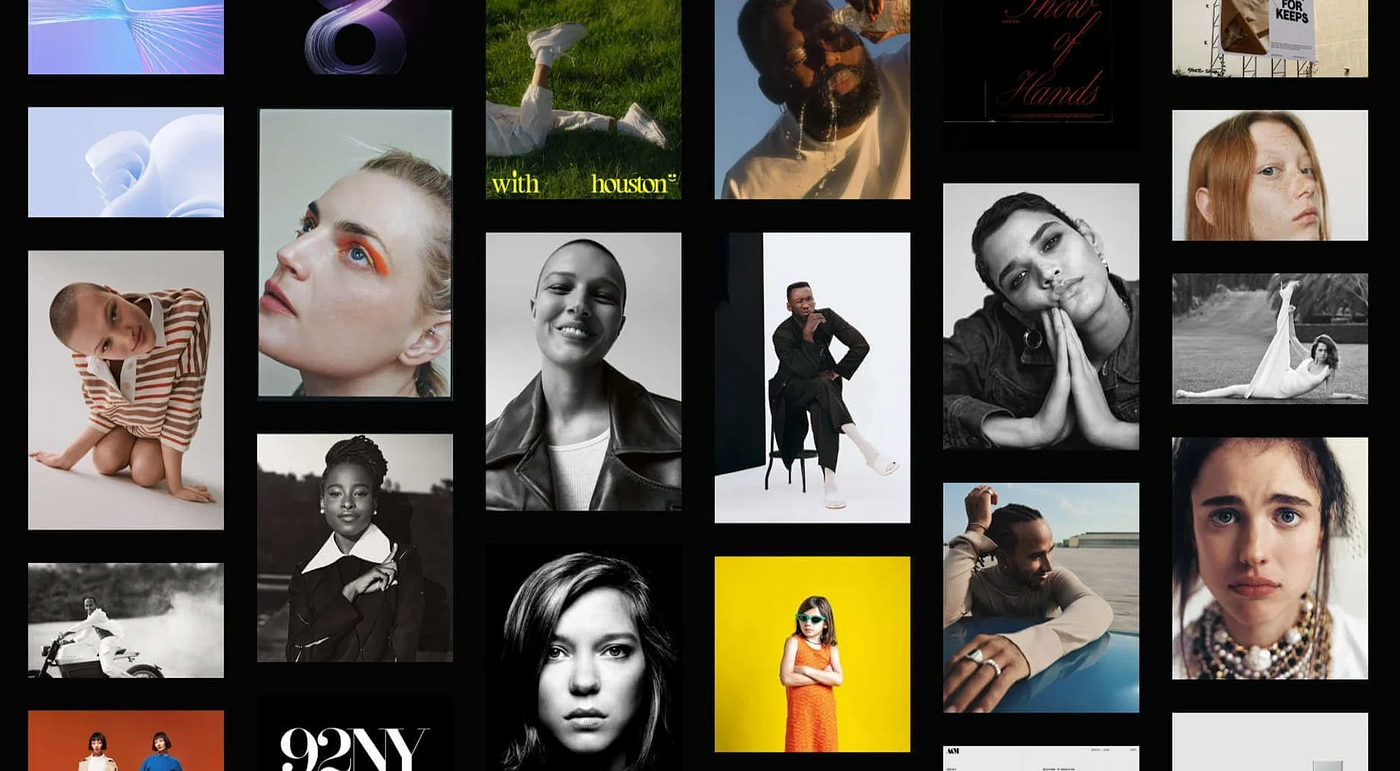
For years, **Behance** has been one of the most popular platforms for designers to showcase their work. With millions of users and projects uploaded daily, it became a central place for creative professionals to build portfolios, share projects, and gain exposure.
But the digital landscape has changed.
Today, many designers are searching for Behance alternatives — not because the platform stopped working, but because visibility on massive platforms has become increasingly difficult. When millions of projects compete for attention, even excellent work can quickly disappear in the feed.
Designers today need more than a place to upload projects. They need platforms that increase visibility, drive traffic, and support long-term growth.
In this guide, we explore why designers are looking beyond Behance and highlight several platforms helping creatives expand their reach.
Why Designers Are Looking for Behance Alternatives
Behance still plays an important role in the design ecosystem. It offers a large community, portfolio hosting, and integration with other tools.
However, scale also creates challenges.
The first issue is saturation. With millions of designers publishing work, competition for attention is extremely high. Even high-quality projects can quickly disappear under newer uploads.
The second challenge is limited discoverability. Most projects are seen only by followers or people actively browsing the platform. Reaching audiences outside the ecosystem can be difficult.
The third challenge is ownership of visibility. Designers increasingly want more control over how and where their work appears online, instead of relying on a single platform.
Because of this, many professionals now adopt a multi-platform strategy to expand their reach.
What Designers Should Look For in a Portfolio Platform
When exploring alternatives to Behance, it’s important to understand what actually drives visibility.
A strong platform should support three things.
Discoverability The platform should help your work reach new audiences, not just people who already follow you.
Search visibility Projects should be structured in a way that allows them to appear in search engines.
Distribution Your portfolio should extend across the web, increasing the chances that your work is discovered in different contexts.
Not all portfolio platforms are built for this. Some focus mainly on hosting projects, while others prioritize discovery and exposure.
Platforms Designers Use to Expand Visibility
Dribbble
Dribbble is one of the most established design communities online. It focuses on visual snippets and short project previews, making it particularly popular among UI, branding, and product designers.
Companies frequently browse Dribbble to discover talent, and designers often use it to share design experiments or updates.
However, the platform is highly competitive. Similar to Behance, large volumes of uploads make it difficult for individual projects to stand out without early engagement.
Awwwards
Awwwards showcases innovative websites and digital experiences. The platform highlights projects that demonstrate strong design, interaction, and technical execution.
Being featured on Awwwards can significantly increase visibility because the audience includes agencies, developers, and industry professionals worldwide.
However, it functions more as a recognition platform rather than a full portfolio host.
SiteInspire
SiteInspire is a well-known gallery that curates high-quality website design.
Designers often browse it for inspiration when building new digital experiences. For creators who design websites, being featured can bring targeted traffic and industry recognition.
Still, like Awwwards, it acts more as a curated showcase than a portfolio platform.
Landbook
Landbook is another curated gallery focused on website and landing page design. Projects are selected for strong layout, typography, and user experience.
The platform attracts designers, developers, and startups looking for inspiration.
While it can generate exposure, Landbook works best as a discovery layer rather than a primary portfolio platform.
WeDirectory
While many platforms focus on hosting projects, WeDirectory takes a different approach by focusing on visibility and discoverability.
Instead of simply displaying portfolios, the platform helps creators expand their presence across the web.
Creators gain visibility inside the platform, where projects can be discovered by people actively browsing creative work. At the same time, the W-Card system distributes creator profiles across the web, helping portfolios appear in more contexts beyond a single platform.
The platform also structures website data to improve both search engine visibility and AI-driven discovery, helping projects surface in search engines and emerging AI search tools.
For designers who feel lost in crowded platforms, this approach offers a more strategic way to increase online visibility.
Why Multi-Platform Visibility Matters
One of the biggest mistakes designers make is relying on a single platform.
Even large platforms limit reach because most audiences stay within their own ecosystems.
Successful creators increasingly use a layered visibility strategy. They publish work on portfolio platforms, submit projects to curated galleries, and maintain profiles on discovery platforms that distribute their work across the web.
More entry points mean more traffic, more connections, and more opportunities.
Build a Stronger Online Presence
If you want to expand your reach beyond Behance, consider a simple approach:
• Maintain a clear central portfolio • Share your work across multiple platforms • Choose platforms that support discoverability and search visibility
The goal isn’t to replace Behance completely. It’s to build a broader ecosystem where your work can be discovered from many directions.
In a digital world where attention is limited, visibility often makes the difference between being seen — and being overlooked.
👉🏽 Read full article on WeDirectory
메타데이터
- post_id
- 70bf4ebb0237
- slug
- why-designers-are-looking-beyond-behance-and-where-they-go-next-70bf4ebb0237
- url
- https://medium.com/@wedirectory/why-designers-are-looking-beyond-behance-and-where-they-go-next-70bf4ebb0237
- canonical_url
- https://medium.com/@wedirectory/why-designers-are-looking-beyond-behance-and-where-they-go-next-70bf4ebb0237
- author_url
- https://medium.com/@wedirectory
- status
- ok
- fetched_at
- 2026-06-09 15:37:30