Swift vs Flutter vs React Native: Which is Best for iOS App Development in 2026?
Choosing the Best for iOS App Development framework is not just a technical decision — it directly impacts your app’s performance, cost…
Swift vs Flutter vs React Native: Which is Best for iOS App Development in 2026?
Choosing the Best for iOS App Development framework is not just a technical decision — it directly impacts your app’s performance, cost, scalability, and time-to-market.
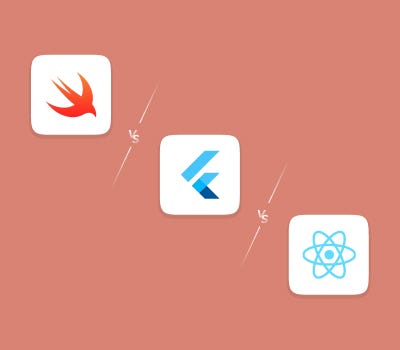
If you’re confused between Swift, Flutter, and React Native, this guide will help you make a practical, goal-based decision.
Why Choosing the Right Framework Matters
Many businesses make the mistake of choosing a framework based on trends. But in reality, the right choice depends on:
- Your app’s complexity
- Target audience (iOS only or cross-platform)
- Budget and timeline
- Future scalability
Selecting the Best for iOS App Development approach early can save you from expensive rebuilds later.
1. Swift: The Native Powerhouse
Swift is Apple’s official programming language and is often considered the Best for iOS App Development when performance is the top priority.
When Swift is the Right Choice:
- High-performance apps (gaming, AR/VR, real-time processing)
- Apps requiring deep integration with iOS features
- Premium user experience with smooth animations
Pros:
- Maximum performance and speed
- Full access to iOS APIs
- Better security and stability
Cons:
- Separate development needed for Android
- Higher development cost for cross-platform reach
Best for iOS App Development if your focus is performance and premium quality.
2. Flutter: Speed + Single Codebase
Flutter is a cross-platform framework by Google that allows you to build apps for iOS and Android using one codebase.
When Flutter Makes Sense:
- MVPs and startup apps
- Faster time-to-market
- Budget-conscious projects
Pros:
- One codebase for multiple platforms
- Fast development and iteration
- Consistent UI across devices
Cons:
- Limited direct access to some native features
- Larger app size compared to native
Best for iOS App Development if your goal is speed and cost-efficiency.
3. React Native: Flexibility with JavaScript
React Native is widely used for building cross-platform apps, especially by teams with web development experience.
When to Choose React Native:
- Business apps (eCommerce, dashboards, services)
- Teams already using JavaScript
- Apps that don’t require heavy graphics or processing
Pros:
- Reusable code and faster development
- Large developer community
- Easy integration with web systems
Cons:
- Performance limitations for complex apps
- Dependency on third-party libraries
Best for iOS App Development if you want flexibility and faster development using existing web skills.
Real-World Insight (What Most People Miss)
Here’s where things get practical:
- Startups often choose Swift for quality — but later struggle with Android expansion costs.
- Some teams pick Flutter or React Native to save time — but face challenges when scaling advanced features.
This is why the “Best for iOS App Development” choice depends on your long-term vision, not just short-term needs.
How to Choose the Best for iOS App Development
Ask yourself these key questions:
- Will my app remain iOS-only or expand to Android?
- How important is performance vs speed of development?
- What features will I need in the next 1–2 years?
- What is my budget and timeline?
Quick Decision Guide:
- Choose Swift → If performance is critical
- Choose Flutter → If speed and cost matter most
- Choose React Native → If you want flexibility with a JS-based team
Final Thoughts
There is no one-size-fits-all answer to what is Best for iOS App Development. Each framework has its strengths and trade-offs.
The smartest approach is to align your technology choice with your business goals, user expectations, and future scalability.
Making the right decision today can save months of development time and significant costs in the future.
메타데이터
- post_id
- 716ac8970b29
- slug
- swift-vs-flutter-vs-react-native-which-is-best-for-ios-app-development-in-2026-716ac8970b29
- url
- https://medium.com/@digital.marketing_53109/swift-vs-flutter-vs-react-native-which-is-best-for-ios-app-development-in-2026-716ac8970b29
- canonical_url
- https://medium.com/@digital.marketing_53109/swift-vs-flutter-vs-react-native-which-is-best-for-ios-app-development-in-2026-716ac8970b29
- author_url
- https://medium.com/@digital.marketing_53109
- status
- ok
- fetched_at
- 2026-08-17 04:43:27