Why ManyChat Doesn’t Offer White-Label And What Agencies Should Use Instead
Discover the real reasons ManyChat doesn’t offer white-label solutions, what this means for agencies, and how open-source platforms like…
Why ManyChat Doesn’t Offer White-Label And What Agencies Should Use Instead
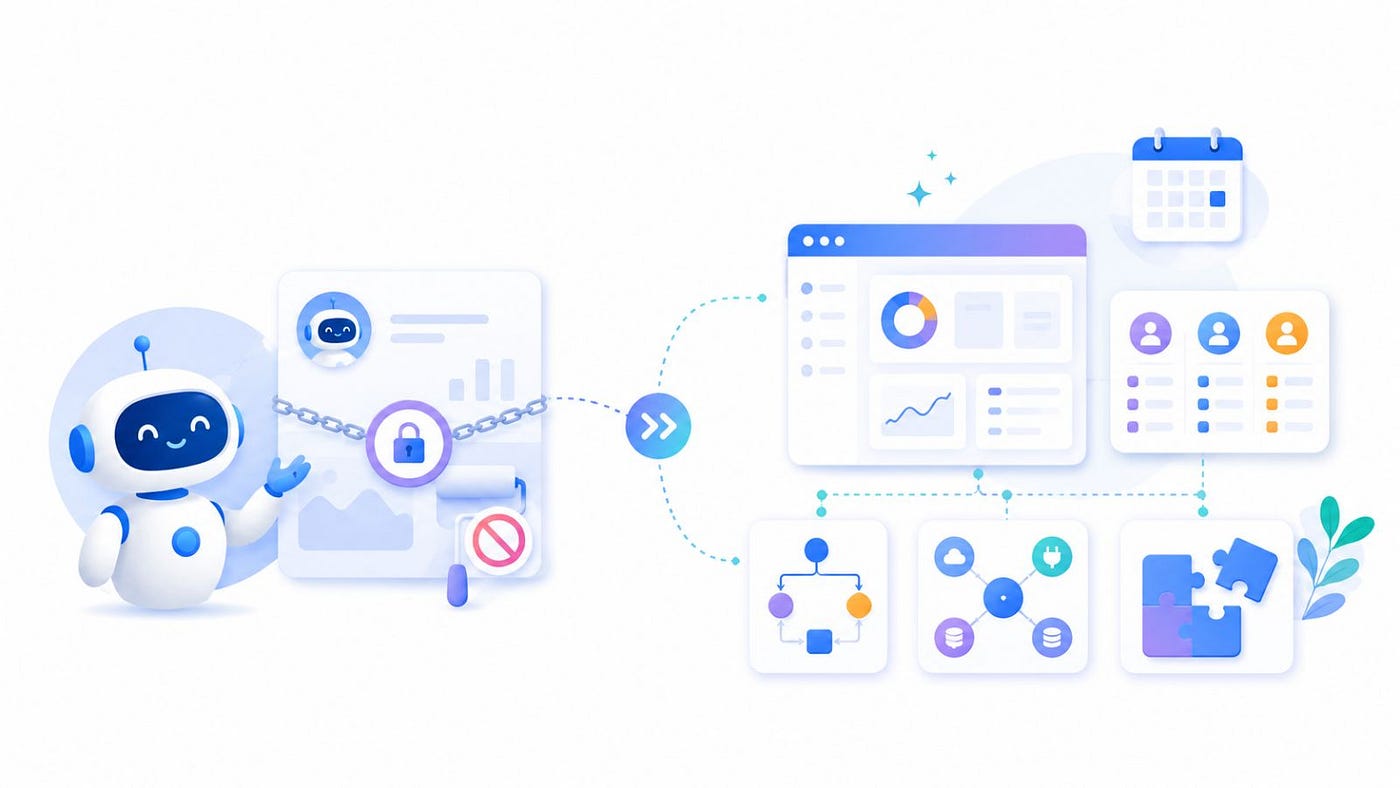
Discover the real reasons ManyChat doesn’t offer white-label solutions, what this means for agencies, and how open-source platforms like ChatbotX give you full control over branding, self-hosting, and reselling.
If you run a digital agency and have ever tried to resell chatbot services under your own brand, you’ve almost certainly run into the same wall: ManyChat does not offer white-label capabilities.
No custom domains. No removing their branding. No selling seats under your company name. For agencies that bet early on ManyChat as the backbone of their service offering, this limitation has become one of the most frustrating bottlenecks in the business.
But why exactly does ManyChat take this stance? Is it a technical decision, a strategic one, or simply a matter of business model? And more importantly — what are the real alternatives for agencies that need true white-label control?
This article breaks it all down.
What “White-Label” Actually Means for Chatbot Platforms
Before diving into ManyChat’s reasoning, it’s worth being precise about what white-labeling means in the chatbot space, because the term is often used loosely.
A white-label chatbot platform allows agencies or resellers to:
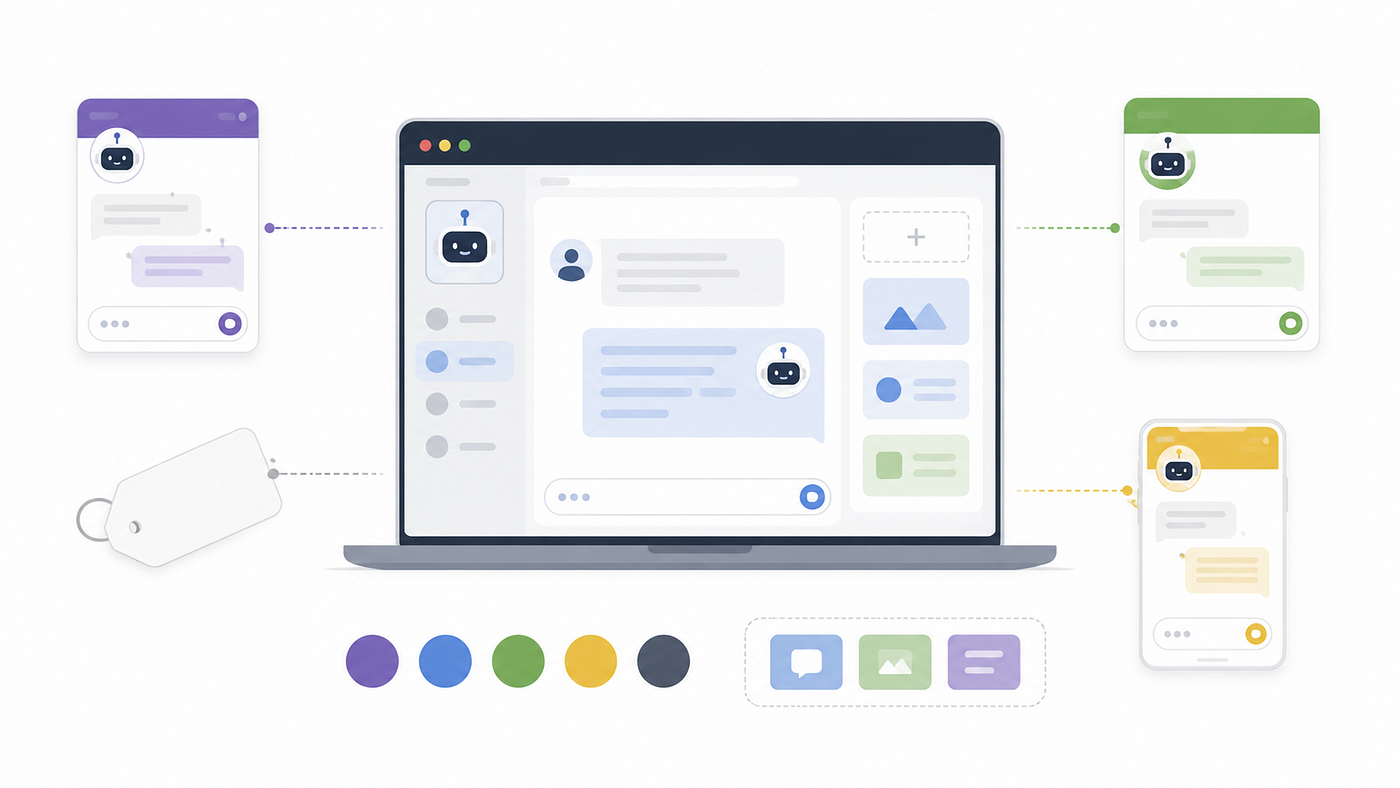
- Present the platform to their clients under their own brand name and logo.
- Use a custom domain (e.g.,
app.youragency.cominstead ofapp.manychat.com). - Remove all references to the underlying software vendor.
- Set their own pricing and billing terms.
- Manage multiple client accounts from a centralized dashboard.
- In short, white-labeling means your clients see your product — not the product of the SaaS company behind it. This is a standard and expected feature in many B2B SaaS categories, from email marketing to CRMs. In the chatbot industry, platforms like Botsify, BotPenguin, and open-source tools like [suspicious link removed] have made white-labeling a core part of their offering.
ManyChat has not.
The Real Reasons ManyChat Doesn’t Offer White-Label

ManyChat has never published an official policy document explaining why they don’t support white-labeling. But based on their business model, platform architecture, and public communications, several clear reasons emerge.
1. Direct Brand Awareness Built Into the Growth Loop
ManyChat grew primarily through word-of-mouth and viral growth loops. Every chatbot built on ManyChat — especially in the early days — served as a free advertisement for the platform itself. Users interacting with a ManyChat-powered bot on Facebook Messenger would often see subtle references to ManyChat, driving curious business owners to sign up on their own.
This growth-hacking approach is fundamentally incompatible with white-labeling. If every agency hid ManyChat’s brand behind their own, ManyChat’s organic acquisition channel would dry up.
2. Revenue Lock-In Through Direct Subscriptions
ManyChat’s pricing model is subscription-based and tied directly to end users. Every business running a ManyChat bot is a direct ManyChat subscriber — they pay ManyChat, not their agency.
If agencies could resell ManyChat under their own brand and control billing, ManyChat would lose visibility into their customer base, face difficulty enforcing fair use, and potentially see margin erosion as agencies negotiate bulk rates. From a purely financial standpoint, ManyChat has more to lose than gain from white-labeling.
3. Technical Architecture Not Designed for Multi-Tenancy Reselling
ManyChat was originally built as a consumer-facing tool for small business owners automating Facebook Messenger. Its infrastructure was not architected from the ground up to support the kind of multi-tenant, reseller-friendly structure that white-labeling requires — where an agency manages dozens of isolated client workspaces under a single branded umbrella.
Adding true white-label support would require significant architectural rework: custom domain routing, per-client branding configuration, reseller billing integrations, and segregated data environments.
4. Prioritizing End-User Features Over Agency Infrastructure
ManyChat’s product development has historically prioritized features that serve solo marketers and small-to-medium businesses: easy-to-use flow builders, Instagram DM automation, comment triggers, and SMS broadcast tools.
Agency infrastructure — team management, client portals, reseller billing, branded dashboards — has never been ManyChat’s primary focus. It’s a deliberate product strategy choice, but it leaves agencies in a tight spot.
What This Means for Agencies
The impact on agencies is real and significant:
- You can’t resell ManyChat under your brand: Every client you bring onto ManyChat is a direct ManyChat customer, not your customer. If ManyChat changes pricing tomorrow, your clients feel it directly.
- You’re always competing with ManyChat’s own marketing: Because clients are on the ManyChat platform directly, they receive ManyChat’s emails, see ManyChat’s in-app promotions, and are constantly reminded that their “product” is actually ManyChat’s product.
- Your service is not defensible: Any client can cancel their contract with you, keep their ManyChat subscription, and manage it themselves. There is no switching cost or technical barrier to cutting your agency out of the relationship.
- Pricing control is zero: You cannot set your own rates, bundle ManyChat with other services under a unified invoice, or offer clients a pricing structure that matches your unique agency business model.
- For agencies serious about building a scalable, branded chatbot service business, ManyChat’s white-label gap is a structural ceiling.
White-Label Chatbot Platforms: What Actually Exists?
The good news is that the market has evolved significantly, and the demand for white-label chatbot platforms has been answered — just not by ManyChat.
Agencies now have access to a growing range of tools that support custom domains, branded dashboards, reseller billing, and multi-client management. These range from enterprise solutions like Kore.ai and Voiceflow to mid-market options like Botsify and BotPenguin.
However, most of these platforms share a common limitation: they are closed-source, SaaS-hosted solutions where you are still dependent on a vendor’s infrastructure, pricing, and roadmap. You get white-label branding, but you don’t get full control.
This is where a fundamentally different approach — open-source, self-hostable chatbot platforms — starts to stand out.
Introducing ChatbotX: Open-Source White-Label from the Ground Up
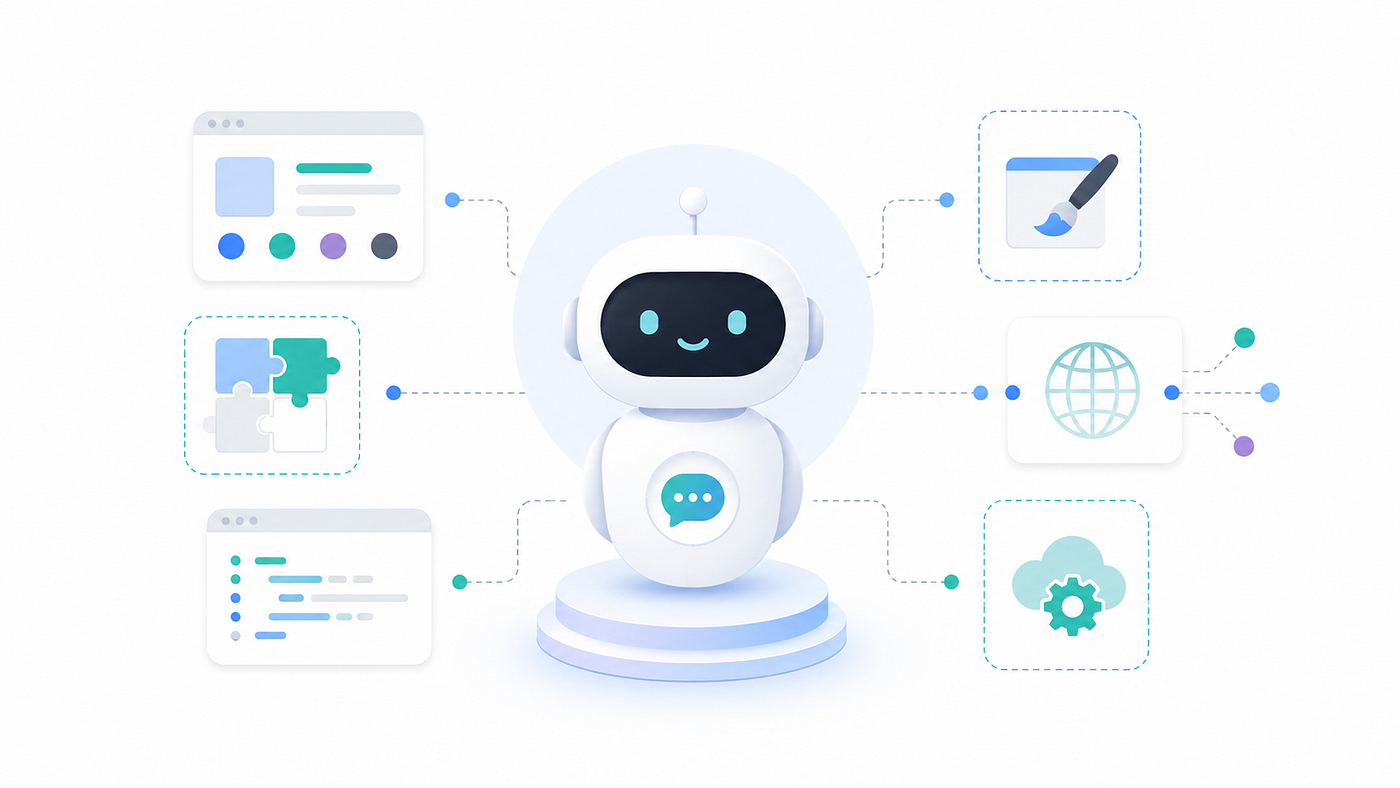
[suspicious link removed] is an open-source, omnichannel chatbot platform built specifically as a ManyChat alternative for agencies and developers who need full control not just branding customization, but actual ownership of the infrastructure.
Unlike traditional white-label SaaS tools, ChatbotX lets you:
- Self-host the entire platform on your own servers or cloud infrastructure.
- White-label the full product with your own domain, logo, and color scheme.
- Resell to unlimited clients with your own pricing structure.
- Extend and customize the codebase because the source is fully open.
Key Features Built for Agencies
- Visual Flow Builder: ChatbotX includes a drag-and-drop visual flow builder with 15+ node types, allowing you to build complex conversational workflows without writing code. You can build once and deploy across WhatsApp, Facebook Messenger, Instagram, Telegram, Zalo, and WebChat.
- AI Agent with Multi-Model Support: ChatbotX integrates natively with OpenAI, Google Gemini, and DeepSeek, giving you AI-powered responses and agentic workflows that can handle complex, multi-step tasks autonomously.
- Live Chat Inbox with Human Takeover: ChatbotX includes a real-time inbox with human takeover, conversation assignment, and team collaboration — all under your branded interface.
The project is actively maintained on GitHub, where you can review the codebase, contribute, or fork it for your own deployment via the ChatbotX Quick Start Guide on GitHub.
Feature Comparison: ManyChat vs. ChatbotX
🔹 ManyChat
- Custom domain & Branding: ❌ Not supported (ManyChat branding remains).
- Hosting: ❌ Cloud only (Hosted entirely on ManyChat’s servers).
- Reseller Billing: ❌ Not supported (Clients must pay ManyChat directly).
- Code Access: ❌ Closed source (Zero customization at core level).
- AI Capabilities: Limited built-in AI extensions.
- Vendor Lock-In: High.
🔹 ChatbotX
- Custom domain & Branding: Full custom domain and total white-labeling.
- Hosting: Self-host anywhere (AWS, DigitalOcean, local servers).
- Reseller Billing: Your pricing, your terms, your checkout setup.
- Code Access: Fully open-source (Modify and extend anything).
- AI Capabilities: Native multi-model support (OpenAI, Gemini, DeepSeek).
- Vendor Lock-In: None.
Who Should Consider Switching?
ManyChat remains an excellent tool for solo operators, small businesses, and marketers focused purely on simple Instagram and Facebook DM automation. However, you should seriously evaluate alternatives like ChatbotX if:
- You want to resell chatbot services under your own brand to increase your agency’s valuation.
- Your clients are asking for WhatsApp-first solutions with heavily customized backend workflows.
- You need strict data sovereignty and control over where client data is stored (crucial for healthcare, finance, or enterprise clients).
- You want to offer AI-powered automation that goes beyond simple keyword flow logic.
- You’re tired of platform dependency and want to own your tech stack completely.
Frequently Asked Questions (FAQ)

Can I migrate my existing ManyChat flows to ChatbotX?
While direct one-click migration isn’t supported due to core architectural differences, ChatbotX’s intuitive drag-and-drop visual builder allows you to rebuild and upgrade your ManyChat flows quickly using 15+ advanced node types.
Does ChatbotX support the official WhatsApp Business API?
Yes, ChatbotX is fully omnichannel and supports official WhatsApp integration alongside Facebook Messenger, Instagram, Telegram, and Zalo, allowing agencies to provide robust, white-labeled conversational solutions globally.
Final Thoughts
ManyChat’s decision not to offer white-label isn’t an oversight — it’s a deliberate product and business strategy that works perfectly for their scale. They’ve built a powerful, consumer-friendly platform optimized for direct subscriptions and viral growth. White-labeling conflicts with those goals.
But for agencies, that strategy creates a genuine problem: you cannot easily build a defensible, branded chatbot business on a platform that competes with you for client ownership.
If you are tired of building on rented land, open-source architectures like ChatbotX give you the keys to your own house.
Ready to Build Your Own White-Label Chatbot Platform?
- 🚀 Get started for free: Self-host ChatbotX on your own infrastructure and launch a fully branded chatbot platform for your clients within hours.
- 💻 View the Source Code on GitHub to fork it, deploy it, and eliminate vendor lock-in forever.
메타데이터
- post_id
- 717f3aa9856f
- slug
- why-manychat-doesnt-offer-white-label-and-what-agencies-should-use-instead-717f3aa9856f
- url
- https://medium.com/@chatbotx/why-manychat-doesnt-offer-white-label-and-what-agencies-should-use-instead-717f3aa9856f
- canonical_url
- https://medium.com/@chatbotx/why-manychat-doesnt-offer-white-label-and-what-agencies-should-use-instead-717f3aa9856f
- author_url
- https://medium.com/@chatbotx
- status
- ok
- fetched_at
- 2026-06-17 15:37:45