Did You Know That The Maya Civilization Used Hallucinogenic Substances?
Interesting History
Did You Know That The Maya Civilization Used Hallucinogenic Substances?
Interesting History
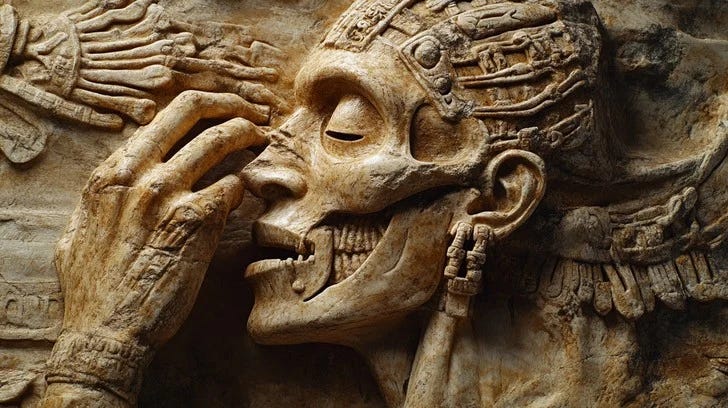
The Maya civilization, which flourished in Mesoamerica from roughly 2000 BCE to 1500 CE, developed one of the most sophisticated cultural and religious systems of the ancient world. Their society was deeply rooted in a worldview where nature, gods, ancestors, and humans were all interconnected. The natural environment was not separate from the spiritual realm but rather an extension of it. Mountains, caves, plants, animals, the sky, and even altered states of consciousness were considered pathways to divine communication.

Within this spiritual framework, certain natural substances played a powerful role. The Maya did not use them casually or recreationally; instead, they were carefully embedded within ritual systems governed by priests, shamans, and elite rulers. These substances were believed to open gateways between worlds, allowing humans to receive visions, guidance, healing, and knowledge from supernatural forces.
Far from being random or chaotic practices, these traditions were highly structured and symbolic, forming an essential part of Maya religion, politics, medicine, and cultural identity.
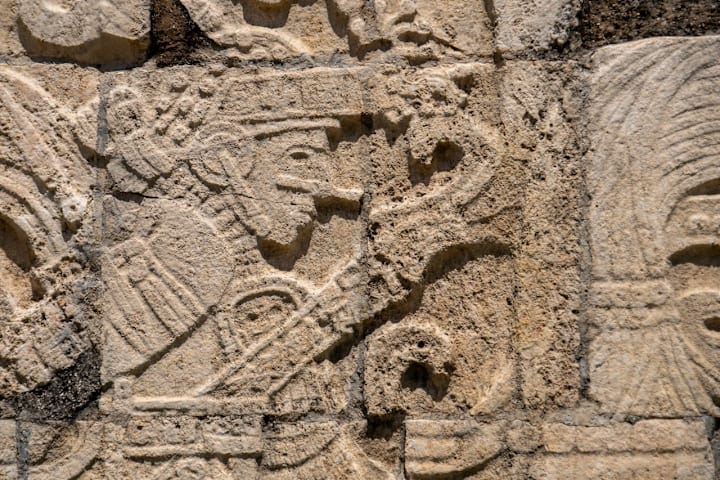
Hallucinogenic Plants and Sacred Vision
One of the most important ritual substances in the Maya world was peyote (Lophophora williamsii), a small cactus native to arid regions of Mesoamerica. Peyote contains mescaline, a powerful psychoactive compound capable of inducing vivid sensory changes, emotional shifts, and deeply immersive visions. In Maya belief systems, peyote was not simply a plant but a sacred entity with spiritual intelligence. It was thought to carry messages from the gods and allow humans to temporarily step outside ordinary reality. During ritual use, participants often experienced intense visual phenomena, heightened perception, and a strong feeling of unity with nature and the divine.
Peyote was typically consumed in carefully controlled ceremonial contexts. It could be dried and chewed or prepared as a drink, but its use was always surrounded by ritual preparation. These ceremonies often included chanting, drumming, incense burning, and dance, creating a multisensory environment designed to guide the participant into altered consciousness.
The effects of mescaline were interpreted not as hallucinations in a modern clinical sense, but as genuine spiritual experiences. What modern science describes as altered brain chemistry, the Maya understood as communication with divine forces. Shamans and ritual specialists played a central role in these ceremonies. They were responsible for guiding participants, interpreting visions, and ensuring that spiritual encounters remained meaningful and safe. These individuals were seen as mediators between the human and supernatural worlds, capable of navigating both realms.
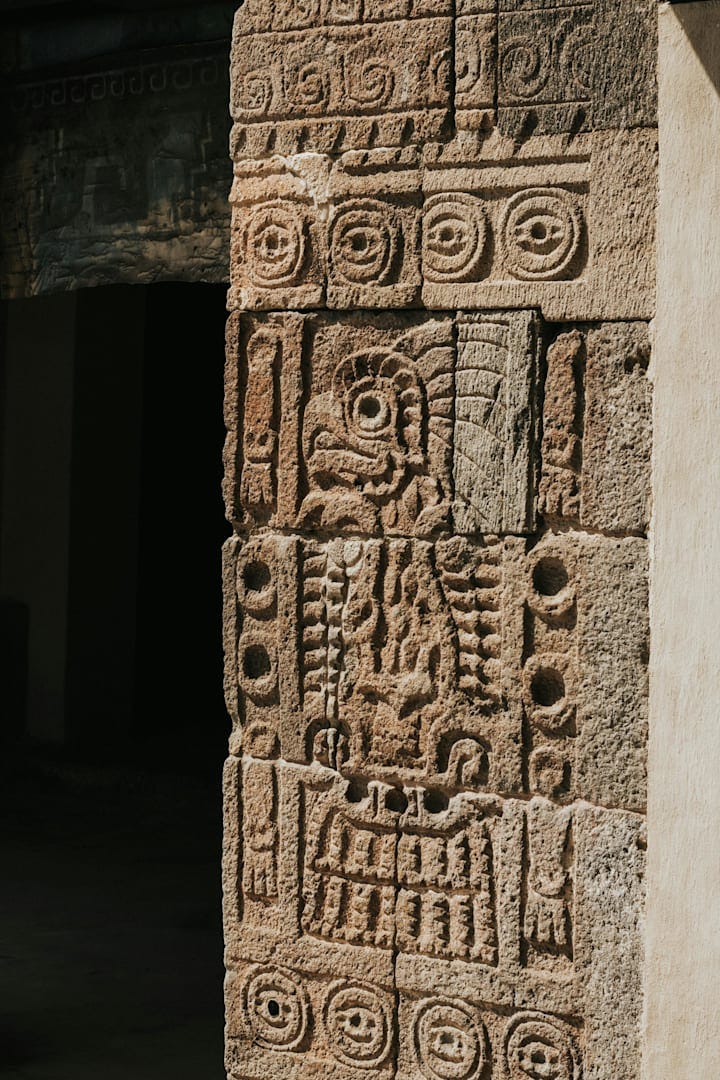
Tobacco as Sacred Smoke and Spiritual Medium, Other Sacred Plants and Altered States
Another essential substance in Maya ritual life was tobacco (Nicotiana tabacum). Unlike its modern association with recreation or addiction, tobacco in Maya culture was a sacred plant used in religious ceremonies, healing practices, and communication with the gods.
Tobacco was believed to carry prayers and intentions directly to the spiritual realm through smoke. When burned or smoked, it created a visible connection between earth and sky, symbolizing the passage of messages to divine beings. The act of smoking tobacco was itself a ritual performance. It was often done in carved pipes or rolled cigars during ceremonies conducted in temples, plazas, or sacred natural spaces. The smoke was thought to purify both individuals and ceremonial environments, cleansing negative energies and preparing participants for contact with spiritual forces.
In addition to ceremonial smoking, tobacco was also used in medicinal and ritual healing practices. It could be applied in different forms, including ingestion or enemas, to treat physical ailments and restore spiritual balance. For the Maya, illness was often understood as both physical and spiritual disorder, and tobacco was seen as a tool for restoring harmony.
Beyond peyote and tobacco, the Maya used a wide variety of other plants with psychoactive or symbolic properties. One notable example is morning glory seeds (Ipomoea species), which contain compounds related to lysergic acid amide. These seeds were believed to induce visions, dreams, and altered states of awareness when consumed in ritual contexts.Another important plant group was Datura species, commonly known as jimsonweed. These plants contain potent deliriant compounds that can produce intense hallucinations, disorientation, and altered perception. Despite their powerful effects, they were used carefully in shamanic rituals, likely under strict supervision due to their unpredictability.
These substances were not viewed as dangerous drugs in the modern sense but as powerful spiritual tools. Their effects were interpreted through a religious lens, often seen as journeys into the underworld, encounters with gods, or transformations of the human soul.
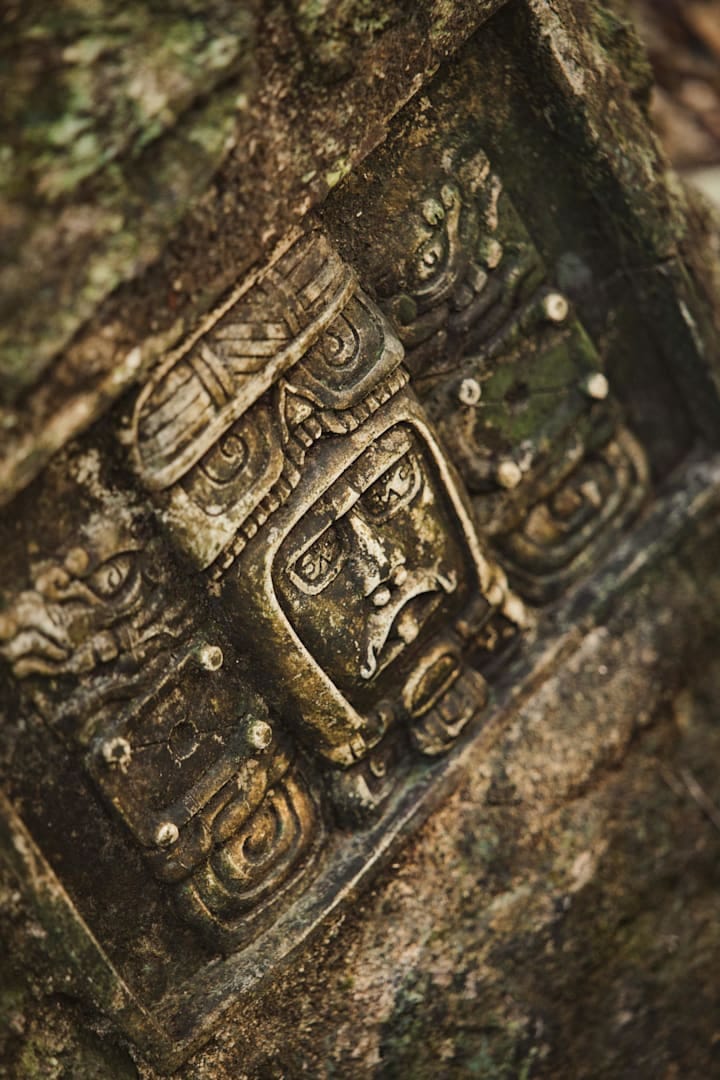
Hallucinogenic Mushrooms and Ritual Debate
The use of hallucinogenic mushrooms in Maya culture remains one of the more debated topics in Mesoamerican archaeology. While direct written evidence is limited, many researchers suggest that psilocybin-containing mushrooms may have played a role in certain ritual practices. Evidence for this idea comes partly from artistic representations. Some Maya artifacts and pottery pieces appear to depict mushroom-like shapes associated with deities or ceremonial scenes. These images have led scholars to propose that mushrooms may have held symbolic or ritual significance.
In neighboring Mesoamerican cultures such as the Zapotec and Mixtec civilizations, the use of psychoactive mushrooms is better documented. These cultural parallels suggest that mushroom-based rituals may have existed across the broader region, potentially influencing or overlapping with Maya practices. Even if their exact role remains uncertain, mushrooms likely contributed to a broader tradition in which altered states of consciousness were valued as pathways to spiritual insight.
Alcohol, Fermentation, and Social Ritual
Alcoholic beverages also played an important role in Maya ritual and social life. One of the most well-known drinks was balché, a fermented beverage made from the bark of the balché tree combined with water and sometimes honey or other natural ingredients.
Balché was not simply a recreational drink. It was deeply embedded in ceremonial practices and was often consumed during religious festivals, community gatherings, and important ritual events. The fermentation process itself was considered symbolic, representing transformation and renewal.
During ceremonies, participants would drink balché from special vessels while engaging in chanting, dancing, and prayer. The resulting intoxication was interpreted as a way of softening the boundary between the physical and spiritual worlds, allowing communication with gods and ancestors. Other fermented drinks made from fruit, maize, or honey also existed and served similar ceremonial and social functions. Alcohol consumption helped reinforce community bonds while also enhancing the emotional intensity of religious experiences.
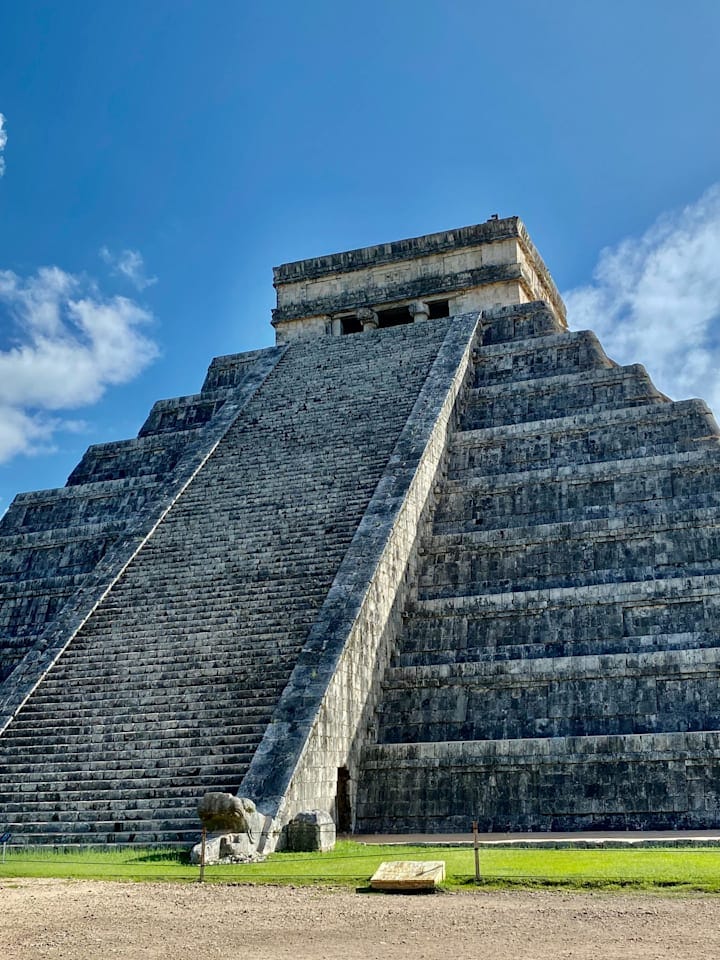
Incense, Smoke, and Sacred Atmosphere, Enemas and Ritual Purification
In addition to psychoactive substances, the Maya used natural materials such as copal resin as incense in their rituals. When burned, copal produced thick aromatic smoke that filled ceremonial spaces.
This smoke was believed to purify environments, protect participants, and carry offerings to the gods. It created a sensory bridge between human and divine realms, reinforcing the sacred atmosphere of rituals. Incense use was closely connected to architecture and ritual design. Temples and plazas were often arranged to enhance sensory experience, combining sound, smell, movement, and visual symbolism into unified ceremonial performances.
One of the most unusual but well-documented aspects of Maya ritual practice is the use of enemas. These were used both for medical treatment and spiritual purification. In medical contexts, enemas were employed to treat digestive issues, fever, parasites, and other ailments. Liquids infused with herbal or psychoactive substances could be administered rectally for rapid absorption.
In ritual contexts, enemas held a deeper symbolic meaning. They were believed to cleanse the body and spirit, removing impurities before participation in sacred ceremonies. This purification process was thought to prepare individuals for contact with divine forces. Specialized practitioners such as healers, priests, or shamans performed these procedures using tools made from bone, clay, or gourds. Their expertise was highly respected, as improper administration could be dangerous.
Ritual Structure and Spiritual Worldview
Maya drug-related rituals were never random or informal. They followed strict ceremonial structures governed by tradition, hierarchy, and sacred knowledge. These rituals often took place in temples, plazas, or specially designated sacred spaces carefully prepared for spiritual interaction.
The use of hallucinogenic substances was always embedded within broader religious systems that included astronomy, mythology, ancestor worship, and political authority. Kings and elites often participated in or sponsored these ceremonies, reinforcing their connection to divine power. The ultimate purpose of these practices was to maintain cosmic balance. The Maya believed that the universe operated through cycles of order and disorder, and ritual action helped preserve harmony between human society, nature, and the gods.
The use of hallucinogenic and psychoactive substances in Maya religion and culture reveals a complex and highly structured spiritual system in which altered states of consciousness were central to understanding the world. Plants such as peyote, tobacco, morning glory seeds, and potentially mushrooms were not seen as recreational substances but as sacred tools for communication with divine forces.

These practices were deeply intertwined with medicine, politics, art, and cosmology, forming an essential part of Maya civilization. Rather than separating the physical and spiritual worlds, the Maya viewed them as connected layers of a single reality, accessible through ritual, discipline, and sacred knowledge. Today, these traditions continue to influence both archaeological interpretation and modern discussions about consciousness, spirituality, and the human relationship with nature.
메타데이터
- post_id
- 717fb7a911b2
- slug
- did-you-know-that-the-maya-civilization-used-hallucinogenic-substances-717fb7a911b2
- url
- https://medium.com/@poldviktor/did-you-know-that-the-maya-civilization-used-hallucinogenic-substances-717fb7a911b2
- canonical_url
- https://medium.com/@poldviktor/did-you-know-that-the-maya-civilization-used-hallucinogenic-substances-717fb7a911b2
- author_url
- https://medium.com/@poldviktor
- status
- ok
- fetched_at
- 2026-06-20 20:29:01