Tiny Homes
The History of Tiny Homes Henry Thoreau was considered an early influence and authored a book that promoted small-space living in 1854. In…
Tiny Homes

The History of Tiny Homes Henry Thoreau was considered an early influence and authored a book that promoted small-space living in 1854. In 1924, Caroline Crane designed an award‑winning tiny home for a national housing reform effort. Tiny homes became popular again around 2010.
Tiny homes have become a trend due to financial pressures and a need for a simpler lifestyle. It is the result of retired people wanting a lower‑maintenance lifestyle and buyers being priced out of homeownership. A tiny home ranges from 100 to 400 square feet. It can be on a permanent foundation or on wheels. Tiny homes come in the following three categories:
· Tiny Homes on Wheels (THOWs) — It is movable, flexible, and classified as an RV.
· Foundation‑Built Tiny Homes — It is like a traditional house.
· Accessory Dwelling Units (ADUs) — Consist of backyard cottages, in‑law suites, or rental units.
Size of Tiny Homes — Tiny homes are typically defined as 100–400 sq ft. However, the industry has three common size categories:
Micro Tiny Homes — 80 to 150 sq ft. Usually Tiny Homes on Wheels (THOWs)
Standard Tiny Homes — 150 to 300 sq ft. Most popular category and works for singles or couples. Often includes sleeping loft, kitchenette, and full bath.
Large Tiny Homes — 300 to 400 sq ft. Often are foundation‑built and is like a studio apartment.

What to Look for When Buying a Tiny Home
· Build quality such as framing, insulation, and moisture control.
· Weight and towing capacity for homes on wheels.
· Foundation and anchoring for permanent builds.
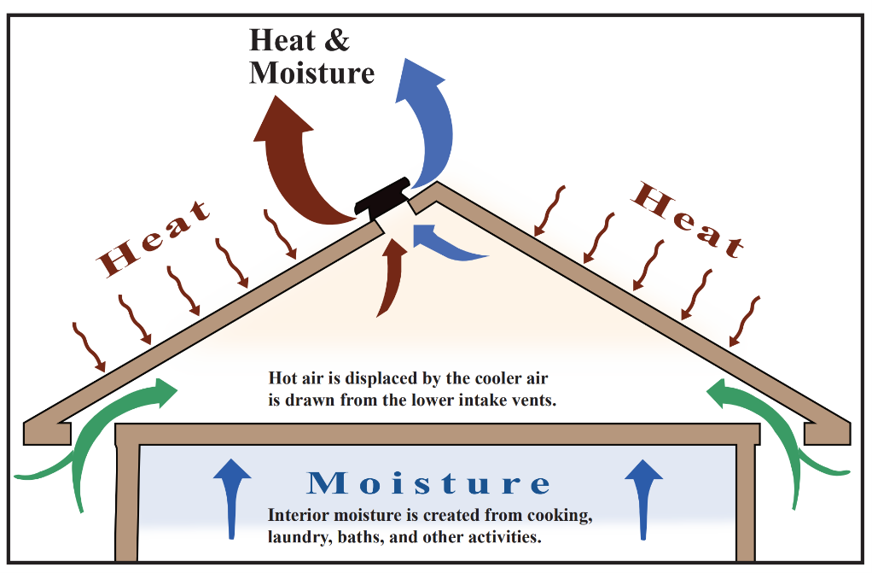
· Ventilation and humidity control because tiny homes trap moisture.
Note: Moisture control is one of the biggest challenges in tiny homes. In small spaces humidity rises quickly from daily activities. Without moisture control, condensation and mold can form and create damage. The home requires excellent ventilation, insulation, and humidity control.
Tiny Homes Cost — Price varies based on the size, quality of materials, land, and mobility.
Typical Market Price Range — 2024 to 2026
· Do It Yourself (DIY) — Tiny Home: $20,000 to $45,000
· Builder‑Grade — Tiny Home on Wheels (THOW): $60,000 to $120,000
· High‑End Luxury — Tiny Home: $120,000 to $200,000 plus
· Foundation‑Built — Tiny Home: $150,000 to $250,000 (land not included)
· Accessory Dwelling Units (ADUs) — Backyard Cottages: $150,000 — $350,000 depending on utilities and city permitting.

Challenges for Tiny Homes — Financing, zoning, and insurance coverage are different for each category.
· Zoning Restrictions — Most cities limit where tiny homes can be placed.
· Financing Limitations — Some lenders classify tiny homes as an RV.
· Utility Hookups — Water, sewer, and electrical access can be costly.
Insurance Issues — Finding insurance coverage is more difficult. Tiny homes are hard to insure because they do not fit into existing insurance categories because they are on wheels, built DIY, or not recognized by local building codes. This leads to coverage denials, limited policies, RV‑only coverage, and claim disputes.
The Problem with Homeowners’ Insurance and Tiny Homes Tiny homes do not fit the definition of a traditional home, an RV, or a mobile home. The insurance companies find it difficult to put them into a category. Classification determines the coverage, pricing, and claim outcomes. Each category has different rules and most tiny homes do not meet the building codes required for standard homeowners’ insurance. Many insurance companies simply refuse coverage or offer only partial coverage.
Reasons for Buying a Tiny Home — The tiny home trend is driven by the following:
· Affordability — The rising cost of homeownership.
· Minimalism — People want less complicated lifestyle.
· Eco‑Friendly Living — Provides a smaller footprint and lower utilities.
· Rental Income — Accessory Dwelling Units (ADUs) and tiny homes generates income.

The Future of Tiny Homes in Texas Tiny homes in Texas will accelerate because it has a mix of loose county regulations, housing shortages, and is friendly to accessory dwelling units (ADUs) and modular housing. Most Texas counties do not have zoning authority so tiny homes face almost no restrictions for land‑use outside city limits. Statewide 254 counties allow tiny homes if it complies with permits for septic tanks, floodplain, and driveways. There will be continued growth in rural tiny‑home communities and land purchases for tiny homes on wheels (THOWs) and modular units.
Note: Texas is positioned to become one of the top tiny‑home states in the country over the next decade.
**Types of Tiny Homes in Texas Cities
Accessory Dwelling Units (ADUs) — Texas cities control the zoning inside city limits. Austin makes allowances for accessory dwelling units (ADUs.)The trend in major cities is to allow more ADUs or small backyard cottages used for multigenerational living. Fannie Mae defines ADUs as “smaller additional living spaces on the same lot as a single‑family home,”** including basement apartments, garage conversions, attached suites, or detached backyard cottages.
Fannie Mae defines ADUs as “smaller additional living spaces on the same lot as a single‑family home,” including basement apartments, garage conversions, attached suites, or detached backyard cottages. An accessory dwelling unit is a self‑contained residential unit located on the same parcel as a primary residence. It functions like a complete home, and it has the following rooms
· Living space
· Sleeping area
· Kitchen
· Bathroom
· Office
· Private entrance
Insurance Issues — If the ADU is rented and not disclosed, the claim can be denied. The insurance company can require one of the following policies:
· Landlord policy
· Commercial policy
· A separate dwelling policy
Tiny Homes on Wheels (THOWs) — It will be considered an RV that requires registration with limitations where they can be placed. You will have to rent a pad or land. There will be growth for more tiny home RV parks. There will be more tiny home RV parks and hybrid communities with tiny homes. RVs, tiny homes, and manufactured homes will be in the same location that allow short term stays and permanent residents. THOWs represent 79% of tiny homes on wheels.
RV Classification — Tiny homes on wheels are classified as an RV and have the following insurance coverage:
· You might be eligible for RV insurance
· Coverage may apply only while in transit
· Theft, fire, and liability coverage may be limited
· Cargo insurance may be required
· Full‑time living may void the policy
Do it Yourself (DIY) — DIY tiny homes usually lack permits, building certifications, engineering report, and load calculations. Many DIY tiny homes are uninsurable or only eligible for extremely limited coverage. DIY buildings cannot be insured because insurance companies require the following:
· Licensed builders
· Inspections
· Code compliance
· Documentation
Tiny Homes with a Foundation — It will be considered real property. They will have to comply with IRC building codes, Industrialized Housing & Buildings (TDLR), and Modular & IHB Rules(IHB) program for modular tiny homes. The tiny home and the land are considered real property. Only 21% of tiny homes are on permanent foundations. A tiny home with a foundation may not meet the requirement with the following:
· Minimum square footage requirements
· Local building codes
· HUD standards
· Windstorm or snow‑load requirements
· Fire separation rules
If the home does not meet local code the insurance company decline insurance coverage or only provide partial coverage.
Challenges for Tiny Homes
· Zoning restrictions
· Financing limitations
· Insurance challenges
· Utility hookup costs
· Limited resale market
· Zoning rules
· Financing options
· Insurance issues
Why Tiny Homes Lose Value Tiny homes do have resale value, but it depends if the home is on wheels or on a foundation. Resale value also depends heavily on the land and zoning. The most recent data shows that tiny homes on wheels have a higher depreciation. Foundation‑built tiny homes tied to land perform better but rarely increase in value like traditional homes. Tiny homes on wheels often lose 40–60% of their value in the first five years.
Small Buyer Pool — Tiny homes have a small audience that lowers resale demand. Families and most traditional homeowners are not in the market.
Financing limitations — Many buyers are unable to get a mortgage for a tiny home which reduces demand.
Customization Impacts Resale — Personalized designs reduce the number of buyers.
Mobility — If the tiny home is moveable, it is considered an RV.
The Growth of the Tiny Housing Industry The growth is the combination of the following issues:
· Housing Affordability Crisis — Home prices have outpaced wages for over 20 years.
· Downsizing & Minimalism — Fewer possessions, lower expenses, and more freedom.
· Aging in Place & Multigenerational Living — It can be an aging relative or adult children.
· Flexibility & Mobility — Tiny homes on wheels allow owners to relocate without selling a house.
· Rental Income & Investments — It generate short‑term or long‑term rental income.
Tiny Homes Community
Majestic Hills Tiny Home Community Address: 13625 African Hill Rd, Willis, TX 77378.- Type: Custom home builder / tiny‑home community.
Village Farm Tiny Home Community Address: 8316 Canoga Ave, Austin, TX 78724 -Type: Agrihood‑style tiny‑home community.
Lake Dallas Tiny Home Village Address: 204 Gotcher Ave, Lake Dallas, TX 75065 — Type: Urban tiny‑home village
The Waters Tiny Home Community — Nevada, TX (East of Dallas) Address: 105 Waters Way, Nevada, TX 75173 — Type: Lakeside tiny‑home development
Lost Acres Tiny Home Community — Bastrop, TX Address: 112 Pine Tree Loop, Bastrop, TX 78602 — Type: Gated tiny‑home community
Highland Lakes Tiny Homes — Kingsland, TX Address: 115 Rivers Edge Dr, Kingsland, TX 78639 — Type: Lakeside tiny‑home community/ sales center
The Bird’s Nest Tiny Home Community — Cumby, TX Address: 8120 FM 2653, Cumby, TX 75433 — Type: Gated tiny‑home community
Vintage Grace Tiny Home Community — Yantis, TX Address: 136 N Main St, Yantis, TX 75497 — Type: Retirement‑focused tiny‑home community
Charles Johnston Realtor® | SRES, SRS, RENE, PSA, CHMS TREC License — 0506067 Keller Williams Fort Worth Phone: (817) 917 6234 Email: crjohnston65@outlook.com Website: charlesjohnston.kw.com
© 2025 Charles Johnston — Realtor All rights reserved. This guide is for personal use only and may not be reproduced, distributed, or sold without permission.
메타데이터
- post_id
- 719f03cc3ef6
- slug
- tiny-homes-719f03cc3ef6
- url
- https://medium.com/@crjohnston65/tiny-homes-719f03cc3ef6
- canonical_url
- https://medium.com/@crjohnston65/tiny-homes-719f03cc3ef6
- author_url
- https://medium.com/@crjohnston65
- status
- ok
- fetched_at
- 2026-06-09 15:37:30