What Should Patients Expect During the IVF Embryo Transfer Process in Lahore
The IVF embryo transfer process is one of the most important stages of fertility treatment. For many couples, it represents the final step…
What Should Patients Expect During the IVF Embryo Transfer Process in Lahore
The IVF embryo transfer process is one of the most important stages of fertility treatment. For many couples, it represents the final step before pregnancy testing and brings hope for successful conception.
Patients undergoing ***IVF treatment in Lahore*** often want to know what happens during the embryo transfer process, how long it takes, and what they should expect afterward. Understanding each step can help reduce stress and prepare couples for the journey ahead.
What Is Embryo Transfer in IVF?
Embryo transfer is the stage in IVF treatment where a healthy embryo is placed into the uterus to achieve pregnancy.
The embryo is created in a laboratory after fertilization between the egg and sperm. Once the embryo develops properly, fertility specialists transfer it into the uterus using a thin catheter.
This procedure is simple, quick, and usually painless.
Preparation Before Embryo Transfer
Before the transfer process begins, doctors carefully prepare the patient to improve implantation chances.
Preparation may include:
- Fertility medications
- Hormonal support
- Ultrasound monitoring
- Evaluation of uterine lining thickness
Doctors monitor hormone levels and uterine health to ensure the body is ready for embryo implantation.
Choosing the Best Embryo
Not all embryos develop in the same way. Fertility specialists evaluate embryo quality before transfer.
They check:
- Embryo growth
- Cell development
- Overall embryo health
The healthiest embryo is selected to improve the chances of pregnancy success.
The Embryo Transfer Procedure
The embryo transfer process itself is usually completed within 15 to 30 minutes.
During the procedure:
- The patient lies comfortably on the examination table.
- A thin catheter containing the embryo is inserted through the cervix.
- The embryo is gently placed into the uterus.
Ultrasound guidance is often used to ensure accurate placement.
Most patients experience little or no pain during the procedure.
Embryo Transfer in Lahore
What Happens After Embryo Transfer?
After the transfer, patients are usually advised to rest briefly before going home.
Doctors may recommend:
- Avoiding heavy physical activity
- Taking prescribed medications regularly
- Managing stress levels
- Following a healthy lifestyle
Normal daily activities can usually resume within a short time.
Common Symptoms After Embryo Transfer
Some patients may experience mild symptoms after the procedure, including:
- Light cramping
- Mild bloating
- Spotting
- Fatigue
These symptoms are generally temporary and may occur due to hormonal changes or implantation.
The Waiting Period After Transfer
After ***embryo transfer in Lahore***, patients enter the “two-week wait” before pregnancy testing.
This period can be emotionally challenging because implantation occurs during this time.
Doctors usually schedule a pregnancy blood test around 10 to 14 days after the transfer.
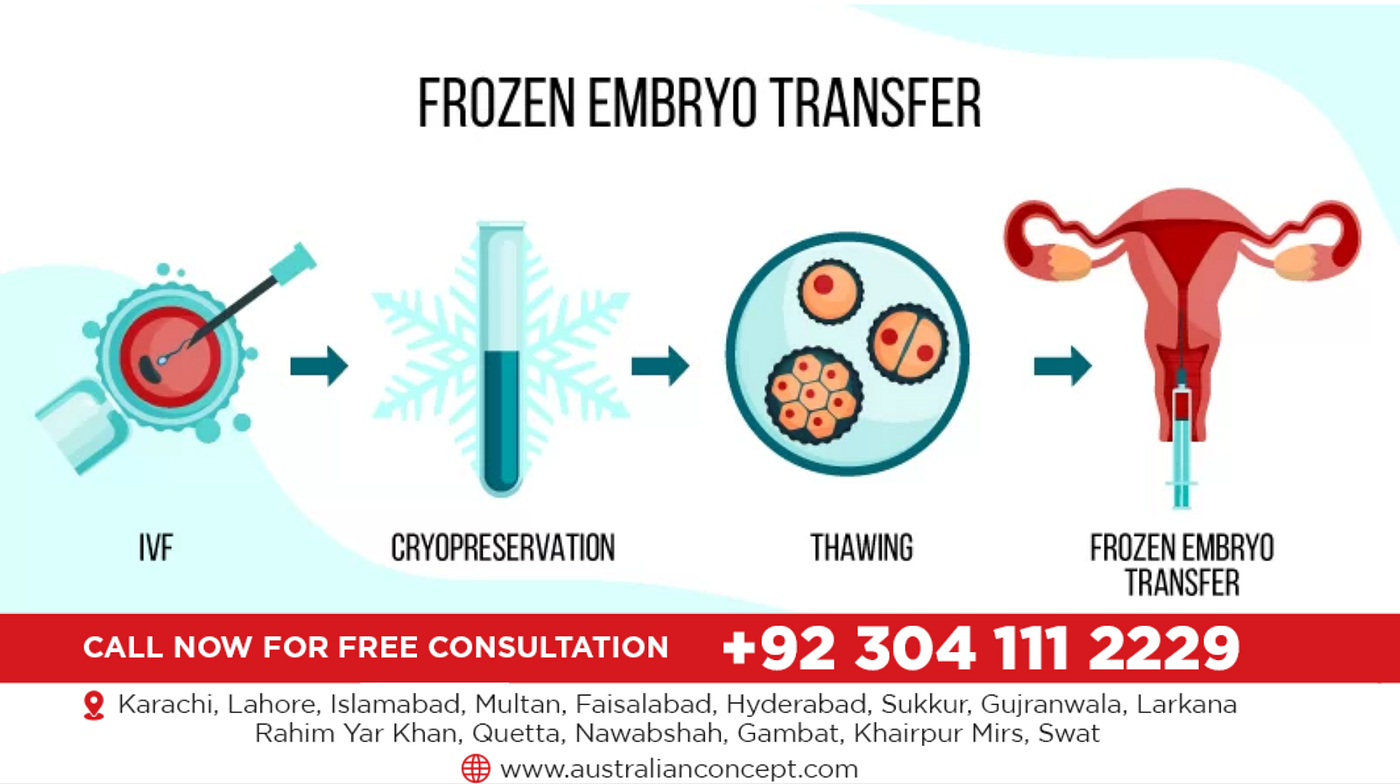
Frozen Embryo Transfer Option
Some couples may use frozen embryos during IVF treatment.
Embryo freezing allows:
- Future pregnancy attempts
- Better treatment flexibility
- Additional IVF cycles without repeated egg retrieval
Frozen embryo transfer follows a similar process to fresh embryo transfer.
Factors That Affect IVF Success
Several factors influence the success of embryo transfer, including:
- Age of the patient
- Embryo quality
- Uterine health
- Hormonal balance
- Lifestyle habits
Following medical advice carefully can help improve pregnancy outcomes.
Emotional Support During IVF
The IVF process can be emotionally stressful for many couples.
Fertility clinics in Lahore often provide:
- Counseling services
- Emotional guidance
- Treatment education
Support from doctors and family members can make the process easier.
When Should Patients Contact Their Doctor?
Patients should contact their fertility specialist if they experience:
- Severe pain
- Heavy bleeding
- Fever
- Unusual symptoms after transfer
Prompt medical advice helps ensure patient safety and treatment success.
Conclusion
The IVF embryo transfer process in Lahore is a carefully planned procedure designed to maximize the chances of pregnancy. From embryo selection to post-transfer care, every step is closely monitored by fertility specialists.
Understanding what to expect during the process can help patients feel more confident and prepared. With proper medical care, emotional support, and healthy lifestyle habits, many couples successfully achieve pregnancy through IVF treatment.
FAQs
1. Is embryo transfer painful?
Embryo transfer is usually painless, although some patients may feel mild discomfort during the procedure.
2. How long does the embryo transfer process take?
The actual transfer procedure generally takes about 15 to 30 minutes.
3. Can patients walk after embryo transfer?
Yes, patients can usually walk and resume light daily activities shortly after the procedure.
4. When is the pregnancy test done after embryo transfer?
Doctors usually recommend a pregnancy blood test 10 to 14 days after the transfer.
5. What should patients avoid after embryo transfer?
Patients should avoid heavy exercise, stress, and activities that may strain the body during the recovery period.
메타데이터
- post_id
- 71b404e4d4e3
- slug
- what-should-patients-expect-during-the-ivf-embryo-transfer-process-in-lahore-71b404e4d4e3
- url
- https://medium.com/@berggezuker/what-should-patients-expect-during-the-ivf-embryo-transfer-process-in-lahore-71b404e4d4e3
- canonical_url
- https://medium.com/@berggezuker/what-should-patients-expect-during-the-ivf-embryo-transfer-process-in-lahore-71b404e4d4e3
- author_url
- https://medium.com/@berggezuker
- status
- ok
- fetched_at
- 2026-07-16 11:31:40