The Guilt-Free Tradeoff: How the Brain Learns to Love Natural Sweetness Without the Counterattack
We have a love-hate relationship with our evolutionary wiring. For thousands of years, the human brain prioritized one thing almost all…
The Guilt-Free Tradeoff: How the Brain Learns to Love Natural Sweetness Without the Counterattack

The Guilt-Free Tradeoff
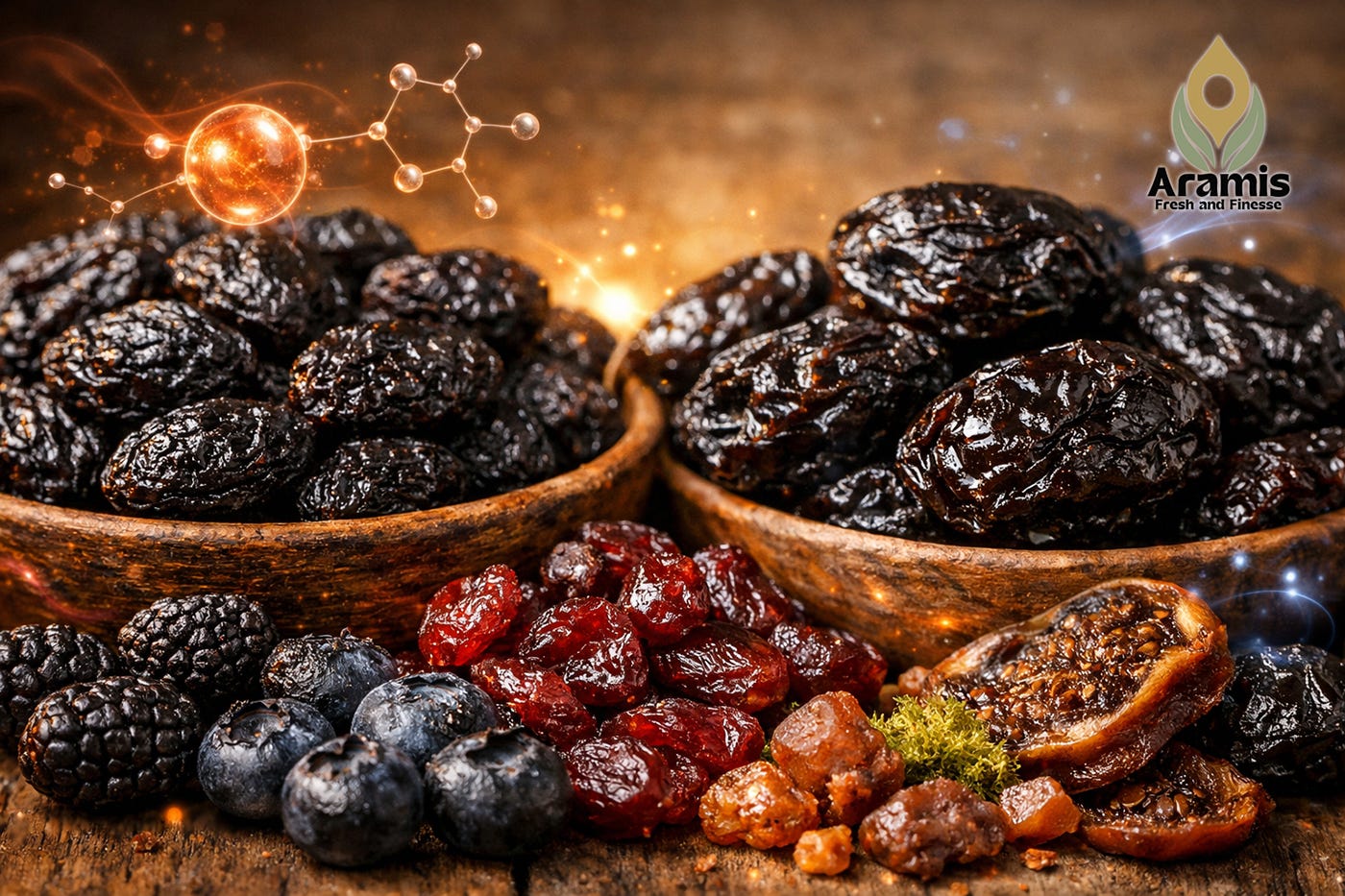
We have a love-hate relationship with our evolutionary wiring. For thousands of years, the human brain prioritized one thing almost all else when foraging for food: density of sugar. In the wild, sweetness meant survival. It meant quick, immediate energy. Today, that same biological wiring is our biggest dietary trap.
Every time a consumer reaches for a traditional, processed candy bar or a bag of glazed pastries, a predictable two-step neurological sequence triggers:
- The Dopamine Spike: The tongue hits the refined sugar, the brain’s reward center lights up like a Christmas tree, and for about ten minutes, everything is great.
- The Amygdala Counterattack (The Guilt): As the sugar crash begins, the prefrontal cortex (the rational brain) kicks in with a wave of cognitive dissonance. The internal monologue changes to: “Why did I just eat that? I’ve ruined my diet. I’m destroying my long-term health.”
This is the psychological friction that modern wellness consumers face every single afternoon. They are trapped in a exhausting loop between satisfying a biological craving and maintaining their health goals.
But what if you could bypass the guilt step entirely while leaving the dopamine spike intact?
The Neural Shift: From “Snack” to “Investment”
According to recent consumer insights, a profound behavioral shift is happening in the global market. Consumers aren’t just looking for fewer calories; they are seeking “Functional Sweetness.” They want to satisfy their biological craving for sugar, but they demand that the sweetness comes directly from nature, not from a laboratory.
When a consumer replaces processed junk with premium dehydrated fruits, the psychology of the purchase completely changes:
The Expense vs. Investment Matrix:
Processed candy is viewed by the brain as an expense — both financially and physically. Dehydrated fruit, however, is categorized as a daily investment in long-term vitality. By switching to dehydrated fruits, the consumer tricks their own psychology. The tongue still gets the concentrated flavor and natural sugars it craves, but the rational brain feels a sense of pride and accomplishment. It is no longer a moment of weakness; it is an act of clean-eating self-care.
The Sensory Edge: Taste Without Sacrifice
For years, the healthy food industry made a critical mistake: they marketed health at the expense of taste. The human brain, however, is highly resistant to sacrifice. If a snack tastes like cardboard, no amount of health benefits will trigger a repeat purchase.
Dehydrated fruits solve this sensory dilemma through flavor concentration.

Fresh Vs. Dehydrated Fruit
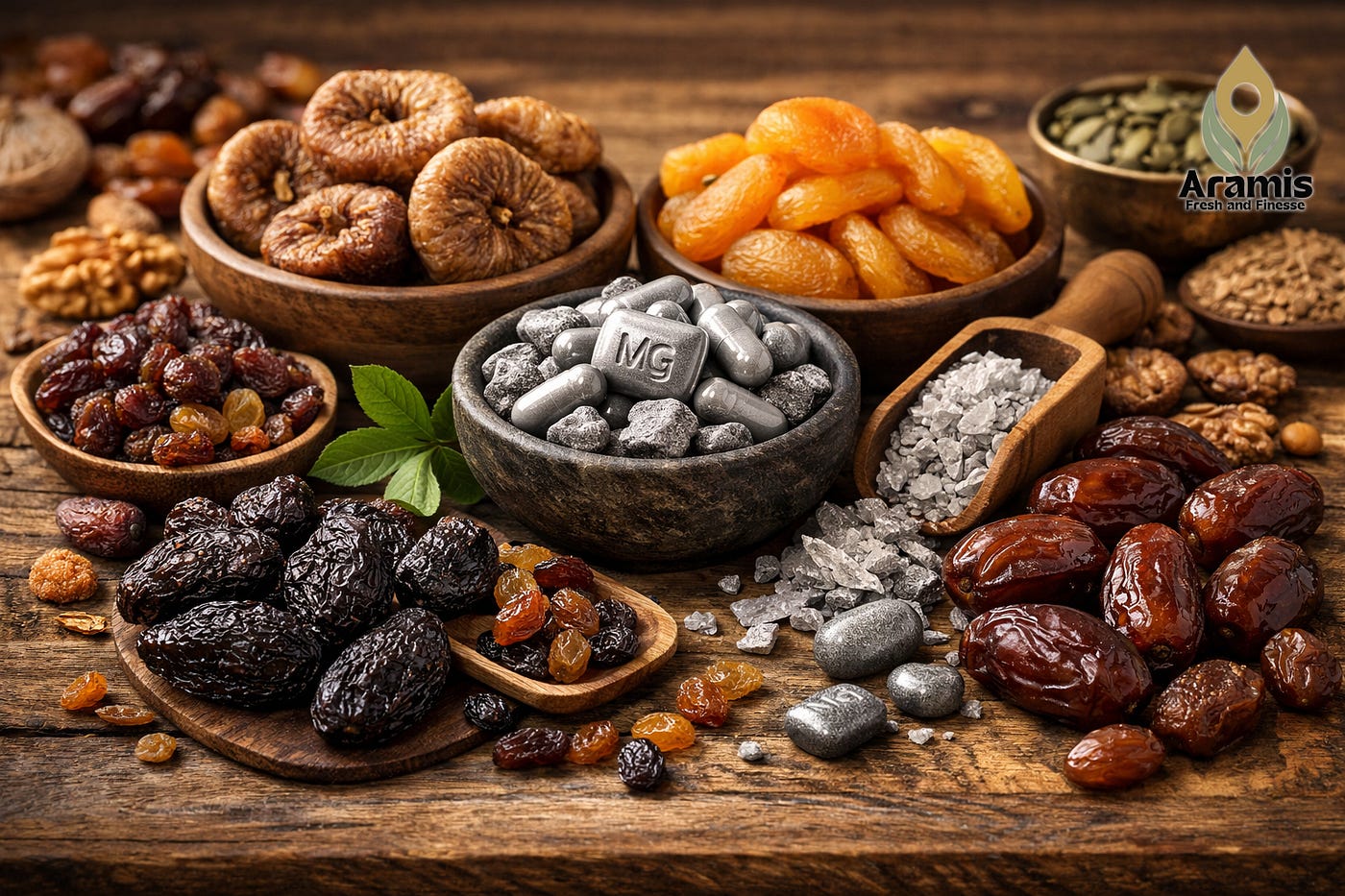
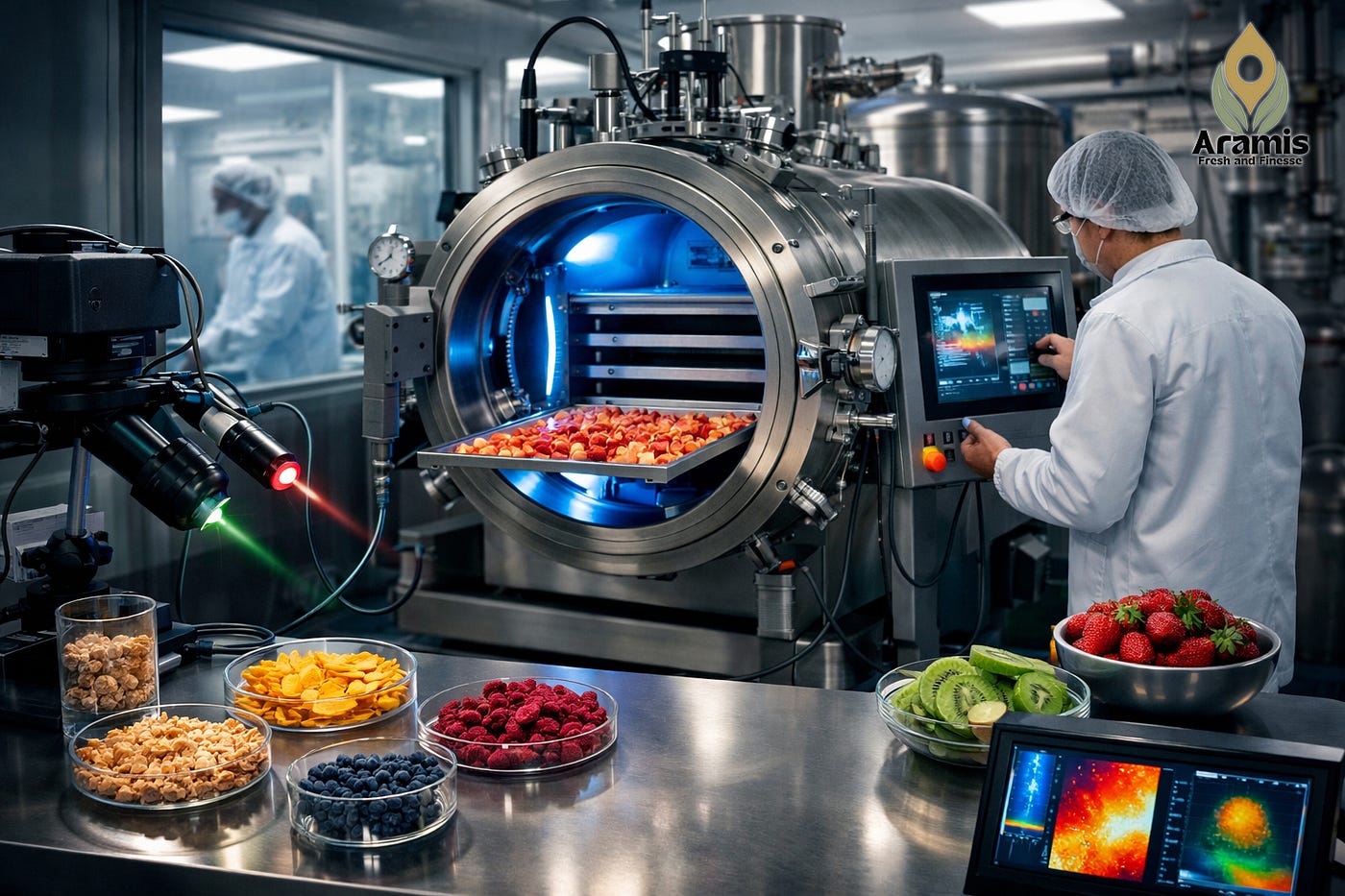
When water is removed during the drying process, the natural sugars, acids, and volatile flavor compounds within the fruit become highly concentrated. A single bite of a dehydrated mango strip or a sun-dried fig delivers an intense, rich sensory impact that rivals the mouthfeel of chewy candy.
The brain receives the vivid, deep flavor it demands, while the body benefits from the intact dietary fibers, vitamins, and antioxidants. It is the ultimate behavioral compromise.
Crafting the Perfect Choice: What the Brain Seeks
To truly position dehydrated fruit as the ultimate guilt-free replacement on a shelf or a digital storefront, the presentation must align with how the brain filters information. Neuromarketing tells us that the modern consumer looks for three specific cues before making a trusting purchase:
- Purity over Chemistry: The modern ingredient list scrutiny is intense. If a consumer flips a bag over and sees unpronounceable chemical preservatives, the “health halo” shatters instantly. The brain relaxes when it sees exactly one ingredient: The fruit itself.
- Visual Transparency: The subconscious brain fears the unknown. Packaging features a clear window allowing the consumer to inspect the vibrant color, natural texture, and plumpness of the fruit before buying lowers the barrier to purchase by over 30%.
- Permissible Indulgence: The branding shouldn’t look like medicine or standard commodities. Minimalist, elegant, and premium design language tells the brain: “This is a luxury treat that you are allowed to enjoy every single day.”
Re-Writing the Snack Routine
The afternoon energy slump (that predictable 3 PM wall) doesn’t have to end in a battle of willpower against the office vending machine.
By understanding the consumer insight behind why we crave sweets, premium brands and mindful eaters are rewriting the rules of snacking. Dehydrated fruit isn’t just an alternative to candy — it is the evolution of it. It is proof that we can honor our ancient biological wiring without sabotaging our modern health goals.
The next time your brain demands sweetness, give it exactly what it wants. Just make sure it comes straight from the tree, with nothing added but a little patience and warm air.
For deeper analysis, visit the full Market Reports section: → My Website Link
Aramis Dried Fruit
B2B Supplier of Premium Dried Fruits
메타데이터
- post_id
- 71d2e2bfe25a
- slug
- the-guilt-free-tradeoff-how-the-brain-learns-to-love-natural-sweetness-without-the-counterattack-71d2e2bfe25a
- url
- https://medium.com/@aramisdriedfruit002/the-guilt-free-tradeoff-how-the-brain-learns-to-love-natural-sweetness-without-the-counterattack-71d2e2bfe25a
- canonical_url
- https://medium.com/@aramisdriedfruit002/the-guilt-free-tradeoff-how-the-brain-learns-to-love-natural-sweetness-without-the-counterattack-71d2e2bfe25a
- author_url
- https://medium.com/@aramisdriedfruit002
- status
- ok
- fetched_at
- 2026-07-16 04:10:34