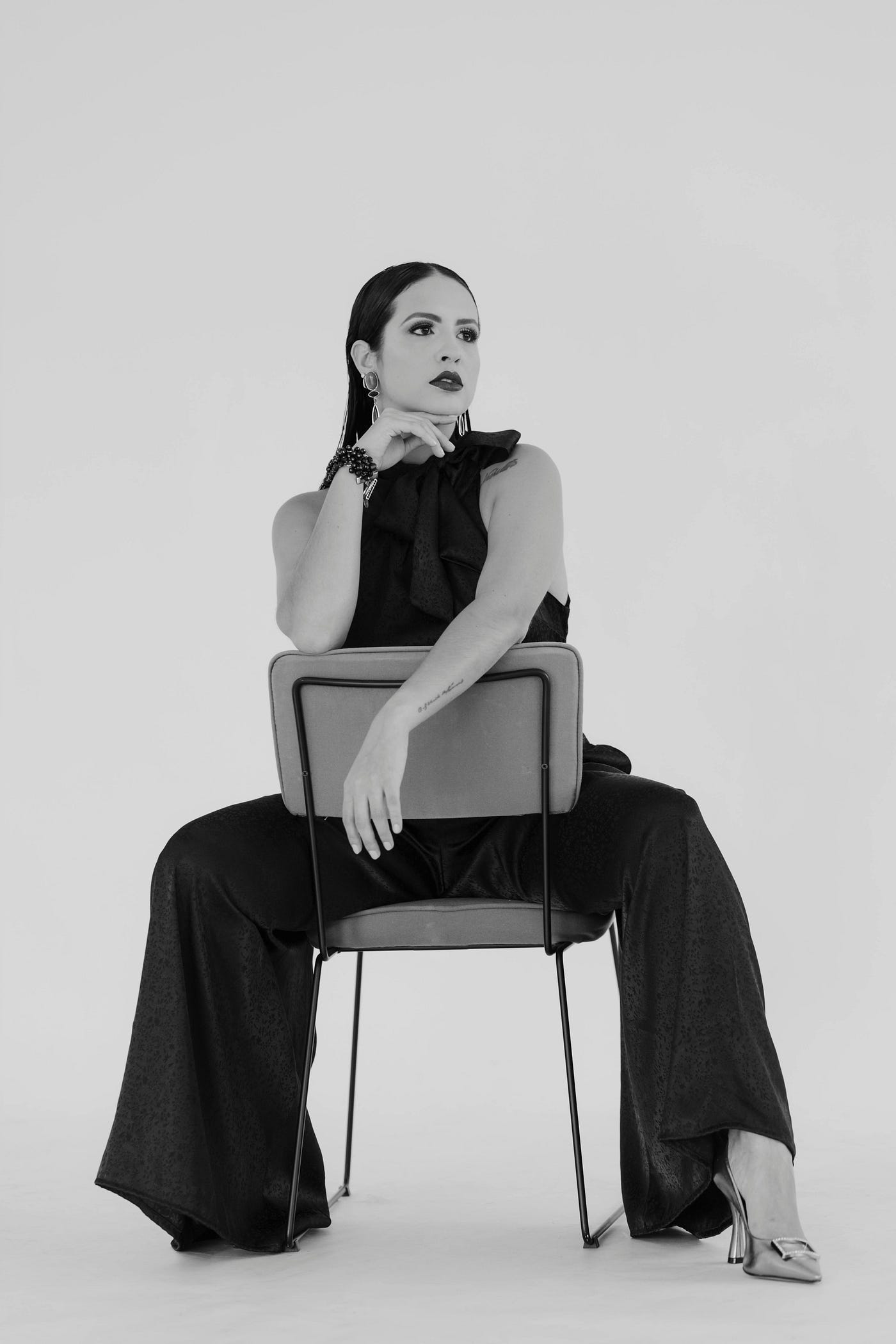
UX Research Case Study: Designing Confidence in Shopping
From Wardrobe Woes to Design Opportunities
UX Research Case Study: Designing Confidence in Shopping
From Wardrobe Woes to Design Opportunities

In a world where shopping is now easier than ever, finding the right outfit during times of transition, like returning to work, can feel emotionally draining. In this UX research case study I explored how women navigate wardrobe choices, especially after life events, like motherhood. Through a screener survey (n=63), 10 user interviews, and card sorting exercises, I identified emotional and functional needs that shed light on how we might design more empowering intuitive shopping experiences.
Background
In early 2024, after returning from maternity leave, I found myself staring at my wardrobe. My usual favorites no longer made me feel the same and shopping felt overwhelming. I wondered if others felt the same.
Fast forward 13 months…Now as a student in Hyper Island’s UX Design Upskill Course, I revisited that exact moment, through a research brief asking: “How might we create a feature that delivers confidence when shopping?” Only this time I wasn’t a user, I was the UX researcher.

Method:
As the sole researcher in this case study, I began by running a kick-off workshop to map my assumptions across four key areas: users, user needs, features, and outcomes. This helped me identify potential blind spots and guided my research focus.

Then I used a mixed-methods approach:
- **Screener Survey |** Collected demographic data and identified key shopping pain points.


- In-depth User Interviews | 10 interviews using storytelling techniques to explore habits, confidence, and identity in relation to clothing.
- Card Sorting Exercise | Prioritized clothing features and preferences using Miro.

- Affinity Mapping & Thematic Analysis | Synthesized qualitative data, clustered themes to extract emotional drivers
- Design Principles & Feature Recommendations | Synthesized findings into actionable recommendations
Hypotheses & Experiments
To start, I mapped five working hypotheses based on personal experience and assumptions mapping. These three stood out:
We believe…
- That users prioritize comfort and fit over the latest trends when shopping for professional attire.
- That users struggle to find clothing items that can be worn in multiple professional settings.
- That users are frustrated by the time and effort required to find appropriate outfits for work.
Key Insights
- Comfort is Queen | Across the board, users chose comfort over style, especially during transitions, like postpartum.
- Split on Versatility | Half sought adaptable clothing; others didn’t care. There’s opportunity here to tailor for both groups.
- Shopping Fatigue | [Workwear] shopping was described as exhausting and inefficient. Users want quicker, more intuitive ways to find what they need.

Design Principles
From these insights, I established three principles for designing confidence-boosting shopping experiences:
- Support body and identity changes without judgment.
- Remove decision fatigue by simplifying product discovery.
- Make comfort measurable and visible.
Recommendations
- Emotional Engagement | Blend interactive style prompts and storytelling (stylist confessions) to build trust and empower users.
- Redesigned Browsing | Prototype smarter filtering based on emotional and functional user needs (comfort, body type, work setting).
- Personalized Style Coaching | Offer a styling quiz for users to help them feel seen and supported. Provide personalized recommendations based on user needs and preferences.
Conclusion
This research revealed an opportunity to shift how we design shopping experiences, especially for women navigating transitions. Focusing on comfort, versatility, and simplicity can make shopping not only less stressful, but more empowering.
Limitations
- Sample size | Small group (63 survey respondents, 10 interviews) may not represent the wider population.
- Self-reported data | User recall and perception may be biased.
Reflection
This case study taught me the power of blending personal insight with structured research. I also learned to check my bias. What felt true for me didn’t always match the data. Most importantly, I discovered that silence in interviews isn’t awkward; it’s often where the truth lives.
메타데이터
- post_id
- 728617d30392
- slug
- ux-research-case-study-designing-confidence-in-shopping-728617d30392
- url
- https://medium.com/@camila.zardo/ux-research-case-study-designing-confidence-in-shopping-728617d30392
- canonical_url
- https://medium.com/@camila.zardo/ux-research-case-study-designing-confidence-in-shopping-728617d30392
- author_url
- https://medium.com/@camila.zardo
- status
- ok
- fetched_at
- 2026-08-29 23:24:08