Choosing the Right Database: A Practical Guide for Django and Flask Developers
Choosing a database is one of the earliest and most impactful decisions when building the backend . The right choice influences how fast…
Choosing the Right Database: A Practical Guide for Django and Flask Developers
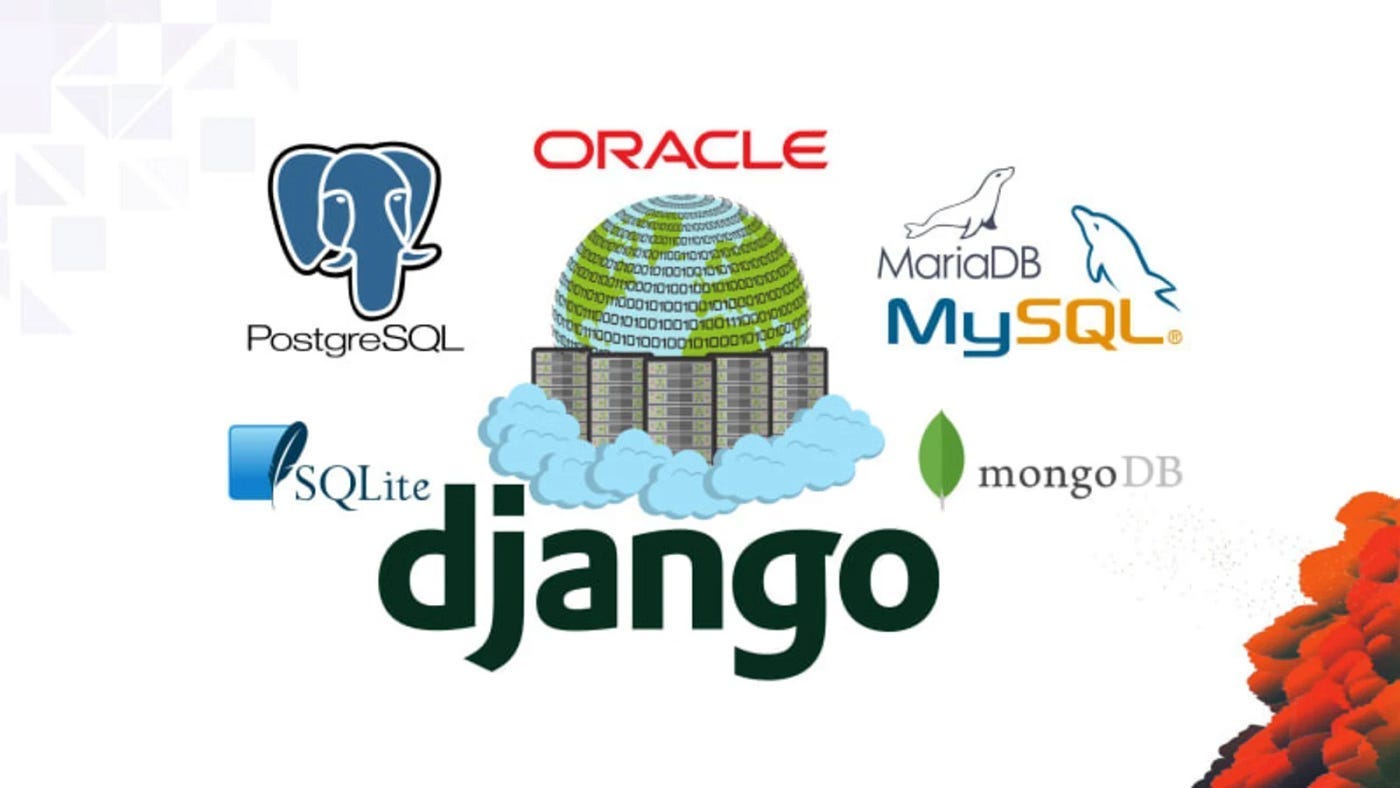
Choosing a database is one of the earliest and most impactful decisions when building the backend . The right choice influences how fast your system runs, how well it scales, how safe your data is, and how easily your application can evolve over time.
A good database:
- Protects your data from corruption
- Enforces business rules
- Handles concurrent users safely
- Scales as usage grows
- Survives crashes and failures
Types of Databases You’ll Encounter
A. Relational Databases (SQL)
Relational databases store data in tables with clearly defined relationships.
Examples
- PostgreSQL
- MySQL / MariaDB
- SQLite
- Oracle
Best for
- Structured data
- Relationships (users → orders → payments)
- Transactions
- Systems that must be correct and auditable
Django and Flask both work extremely well with relational databases.
B. Non-Relational Databases (NoSQL)
NoSQL databases store data as documents, key-value pairs, or graphs.
Examples
- MongoDB
- Redis
- Cassandra
Best for
- Flexible schemas
- Massive scale with simple access patterns
- Caching, sessions, and queues
In Django and Flask apps, NoSQL databases are usually supplementary, not primary.
How to Decide Which Database to Use
Instead of asking “Which database is popular?”, ask these questions.
1. Do I Need Strict Data Integrity?
You need strict data integrity if:
- Money is involved
- Legal or approval workflows exist
- Records depend on other records
- Multiple users act at the same time
Strict data integrity means:
- Invalid data cannot be stored
- Relationships are always consistent
- Partial failures never corrupt data
PostgreSQL excels here.
2. How Complex Is My Data?
- Simple CRUD with few relationships → SQLite or MySQL
- Many foreign keys, joins, and rules → PostgreSQL
As relational complexity increases, PostgreSQL becomes the safest choice.
3. How Many Users Will Use This System?
- Single developer or demo → SQLite
- Dozens of users → PostgreSQL or MySQL
- Hundreds or thousands → PostgreSQL
Concurrency is where weaker databases quietly fail.
4. Is This for Learning or Production?
- Learning → SQLite
- Production → PostgreSQL
SQLite is an excellent teacher. PostgreSQL is a reliable worker.
Recommended Stack
Django
- Database: PostgreSQL
- ORM: Django ORM
- Cache (optional): Redis
Flask
- Database: PostgreSQL
- ORM: SQLAlchemy
- Migrations: Alembic
- Cache (optional): Redis
Choose your database wisely.
메타데이터
- post_id
- 73e10c71e10c
- slug
- choosing-the-right-database-a-practical-guide-for-django-and-flask-developers-73e10c71e10c
- url
- https://medium.com/@wanjikunpatricia/choosing-the-right-database-a-practical-guide-for-django-and-flask-developers-73e10c71e10c
- canonical_url
- https://medium.com/@wanjikunpatricia/choosing-the-right-database-a-practical-guide-for-django-and-flask-developers-73e10c71e10c
- author_url
- https://medium.com/@wanjikunpatricia
- status
- ok
- fetched_at
- 2026-08-11 23:03:24





