Reducing Waste Through Smarter Fabrication Processes: A Practical Engineering Approach
In modern manufacturing, waste is more than an environmental concern — it is a direct threat to profitability, production efficiency, and…
Reducing Waste Through Smarter Fabrication Processes: A Practical Engineering Approach
In modern manufacturing, waste is more than an environmental concern — it is a direct threat to profitability, production efficiency, and supply chain resilience. Whether the challenge involves excessive material scrap, inconsistent production quality, extended lead times, or costly rework, manufacturers are under increasing pressure to optimise fabrication processes without compromising quality.
Precision Engineering
For businesses operating in competitive sectors, reducing waste requires more than simply using fewer materials. It demands a strategic approach to engineering, design, machining, fabrication, and production planning. By implementing smarter fabrication processes, manufacturers can improve batch consistency, enhance product quality, and achieve measurable cost savings throughout the product life-cycle.
Ashland Engineering supports organisations across multiple industries by delivering precision CNC machining, fabrication services, and product development solutions designed to reduce waste while maintaining exceptional manufacturing standards. From one-off prototypes to high-volume production runs, the company helps clients solve complex manufacturing problems through intelligent engineering practices.
Understanding Waste in Modern Manufacturing
Manufacturing waste can occur at almost every stage of production.
Common sources include:
● Excessive material removal
● Poor design for manufacture
● Inaccurate machining processes
● Rejected components
● Production downtime
● Inconsistent batch quality
● Supply chain inefficiencies
● Excess inventory
While some waste may appear unavoidable, modern fabrication technologies allow manufacturers to significantly reduce losses through improved process control and precision engineering.
The Hidden Cost of Rework
One of the most expensive forms of waste is rework.
Components that fail inspection often require additional machining, welding, finishing, or complete replacement. This increases labour costs, extends lead times, and places additional pressure on production schedules.
By improving accuracy at the initial manufacturing stage, businesses can reduce scrap rates and improve overall production efficiency.
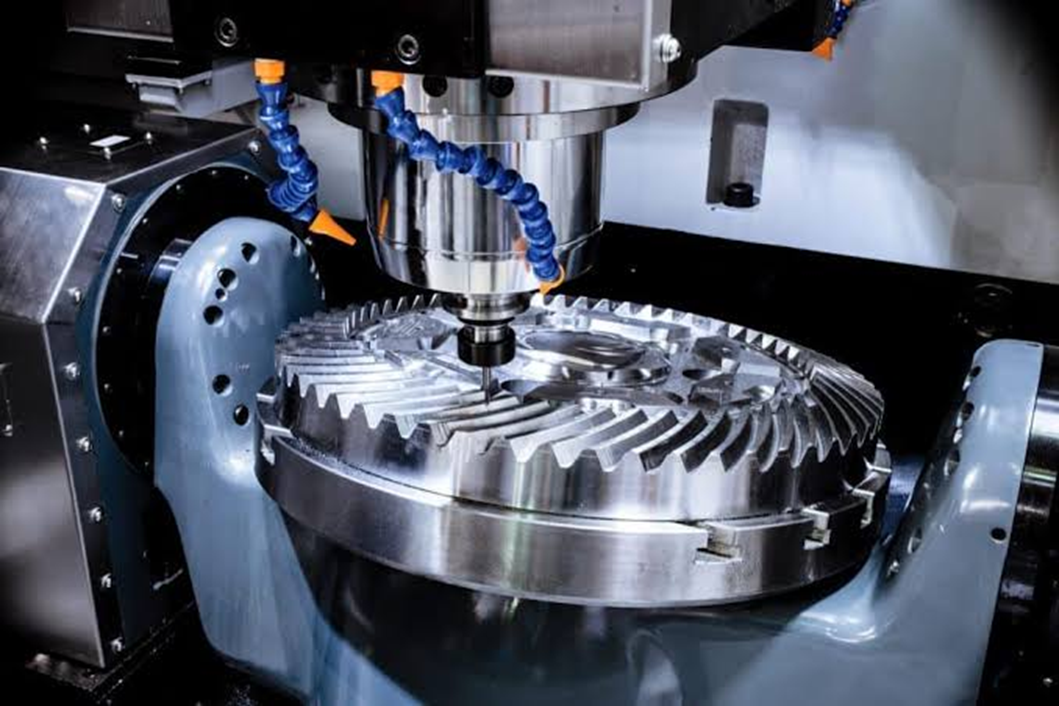
The Role of CNC Machining in Waste Reduction
Computer Numerical Control (CNC) machining has become one of the most effective tools for reducing manufacturing waste.
Modern CNC systems provide exceptional precision, repeatability, and process control.
Why CNC Machining Improves Efficiency
Key advantages include:
● High dimensional accuracy
● Reduced material waste
● Consistent tolerances
● Repeatable production results
● Reduced manual intervention
● Improved quality control
When machining complex components, maintaining tight tolerances is essential. Even minor dimensional variations can lead to assembly issues, performance failures, or rejected parts.
CNC machining helps eliminate many of these risks by ensuring consistent output across both small and large production batches.
Technical Specifications and Tolerance Control
Tolerance management is critical to efficient manufacturing.
Poor tolerance control often results in:
● Increased scrap rates
● Assembly problems
● Excessive material usage
● Product failures
Advanced CNC equipment allows manufacturers to maintain precise dimensional requirements while minimising unnecessary material removal.
This level of control is particularly important for industries where performance and reliability are essential.
Material Selection: A Critical Factor in Waste Reduction
Material choice directly influences manufacturing efficiency, product performance, and long-term costs.
Selecting the wrong material can create significant production challenges.
Working with Steel
Steel remains one of the most widely used engineering materials due to its:
● High strength
● Durability
● Weldability
● Cost-effectiveness
However, different grades of steel behave differently during machining and fabrication.
Careful material selection helps manufacturers reduce machining time, minimise tool wear, and improve production consistency.
The Benefits of Aluminium
Aluminium offers several advantages in modern engineering applications.
These include:
● Lightweight properties
● Excellent corrosion resistance
● Good machinability
● High strength-to-weight ratio
Because aluminium generally requires less machining force than steel, production processes can often be completed more efficiently while reducing equipment wear and energy consumption.
For sectors such as transportation, electronics, and product development, aluminium remains a highly effective material choice.
Engineering Plastics and Manufacturing Efficiency
Modern engineering plastics provide solutions for applications requiring:
● Weight reduction
● Corrosion resistance
● Electrical insulation
● Chemical resistance
Many engineering plastics can be machined with minimal waste while offering excellent performance characteristics.
Selecting the correct polymer for an application can improve product longevity while reducing manufacturing complexity.
Smarter Fabrication Through Design for Manufacture
Waste reduction begins long before production starts.
Design for Manufacture (DFM) is an engineering approach that optimises products for efficient production.
How DFM Reduces Waste
A well-designed component can:
● Reduce machining operations
● Minimise material consumption
● Improve assembly efficiency
● Reduce inspection requirements
● Lower production costs
Early collaboration between designers and manufacturing engineers often identifies opportunities to simplify production without compromising functionality.
This proactive approach supports more efficient life-cycle development while reducing overall project costs.
Supporting Product Development
Many manufacturing issues originate during the design phase.
Ashland Engineering works closely with clients during product development to ensure components are designed for efficient manufacture from the outset.
Whether producing a one-off prototype or preparing for high-volume production, early engineering input helps eliminate unnecessary complexity and reduce future waste.
The Value of Fabrication Process Control
Fabrication quality directly impacts production efficiency.
Inconsistent fabrication processes often lead to:
● Dimensional inaccuracies
● Material distortion
● Excessive finishing requirements
● Product rejection
Implementing structured quality control procedures improves both productivity and reliability.
Maintaining Batch Consistency
Batch consistency is critical for organisations producing repeat components.
Customers expect every component to meet the same performance and dimensional standards.
Through robust fabrication controls and precision manufacturing techniques, businesses can achieve:
● Greater repeatability
● Reduced rejection rates
● Improved customer satisfaction
● Lower production costs
Consistency becomes increasingly important as production volumes increase.
Surface Finishing and Long-Term Product Performance
Manufacturing waste is not limited to production processes alone.
Premature product failure can create substantial long-term costs.
This is where surface finishing processes play a significant role.
How Powder Coating Adds Value
Powder coating provides:
● Enhanced corrosion resistance
● Improved durability
● Uniform surface coverage
● Reduced maintenance requirements
Compared with traditional finishing methods, powder coating often delivers superior long-term performance while reducing environmental impact.
By extending component life expectancy, manufacturers reduce replacement rates and improve overall product sustainability.
The Importance of Galvanising
For components exposed to demanding environments, galvanising provides effective protection against corrosion.
Benefits include:
● Extended service life
● Reduced maintenance costs
● Improved structural durability
● Enhanced lifecycle value
Selecting the appropriate finishing process is essential for achieving optimal product performance.
Scalability: From Prototype to High-Volume Production
One of the most common supply chain challenges manufacturers face is scaling production efficiently.
Processes that work for prototype development may not be suitable for large-scale manufacturing.
Supporting Every Stage of Production
Ashland Engineering provides manufacturing support across all production stages, including:
● Concept development
● Prototype machining
● Design refinement
● Small-batch manufacturing
● High-volume production
This scalable approach ensures continuity throughout the product life-cycle while reducing the risks associated with supplier transitions.
Managing Supply Chain Challenges
Reliable manufacturing partners help organisations overcome challenges such as:
● Variable demand
● Material shortages
● Production bottlenecks
● Quality inconsistencies
By combining precision engineering with flexible manufacturing capabilities, businesses can improve supply chain resilience and maintain production continuity.
Building a More Efficient Manufacturing Future
Reducing waste through smarter fabrication processes requires a combination of engineering expertise, advanced technology, material knowledge, and strategic planning.
By focusing on precision machining, intelligent material selection, process optimisation, and robust quality control, manufacturers can reduce costs while improving product performance and reliability.
Whether the objective is to improve batch consistency, optimise production efficiency, or overcome complex manufacturing challenges, smarter fabrication delivers measurable benefits throughout the entire product life-cycle.
Speak with Ashland Engineering About Your Next Project
If your organisation is looking to reduce waste, improve production efficiency, or solve a complex manufacturing challenge, Ashland Engineering can help.
From one-off prototypes and product development projects to high-volume production programmes, our experienced engineering team delivers practical solutions built around precision, quality, and long-term performance.
Contact Ashland Engineering today to discuss your next project and discover how smarter fabrication processes can support your manufacturing objectives.
메타데이터
- post_id
- 73e326e562e5
- slug
- reducing-waste-through-smarter-fabrication-processes-a-practical-engineering-approach-73e326e562e5
- url
- https://medium.com/@ashlandengineeringmk/reducing-waste-through-smarter-fabrication-processes-a-practical-engineering-approach-73e326e562e5
- canonical_url
- https://medium.com/@ashlandengineeringmk/reducing-waste-through-smarter-fabrication-processes-a-practical-engineering-approach-73e326e562e5
- author_url
- https://medium.com/@ashlandengineeringmk
- status
- ok
- fetched_at
- 2026-08-09 13:14:48