How Hibiscus Moves Through the Global Supply Chain
Hibiscus is not just a crop it is a supply-driven commodity that depends on timing, handling, and coordination to reach international…
How Hibiscus Moves Through the Global Supply Chain
hibiscussupplier.com
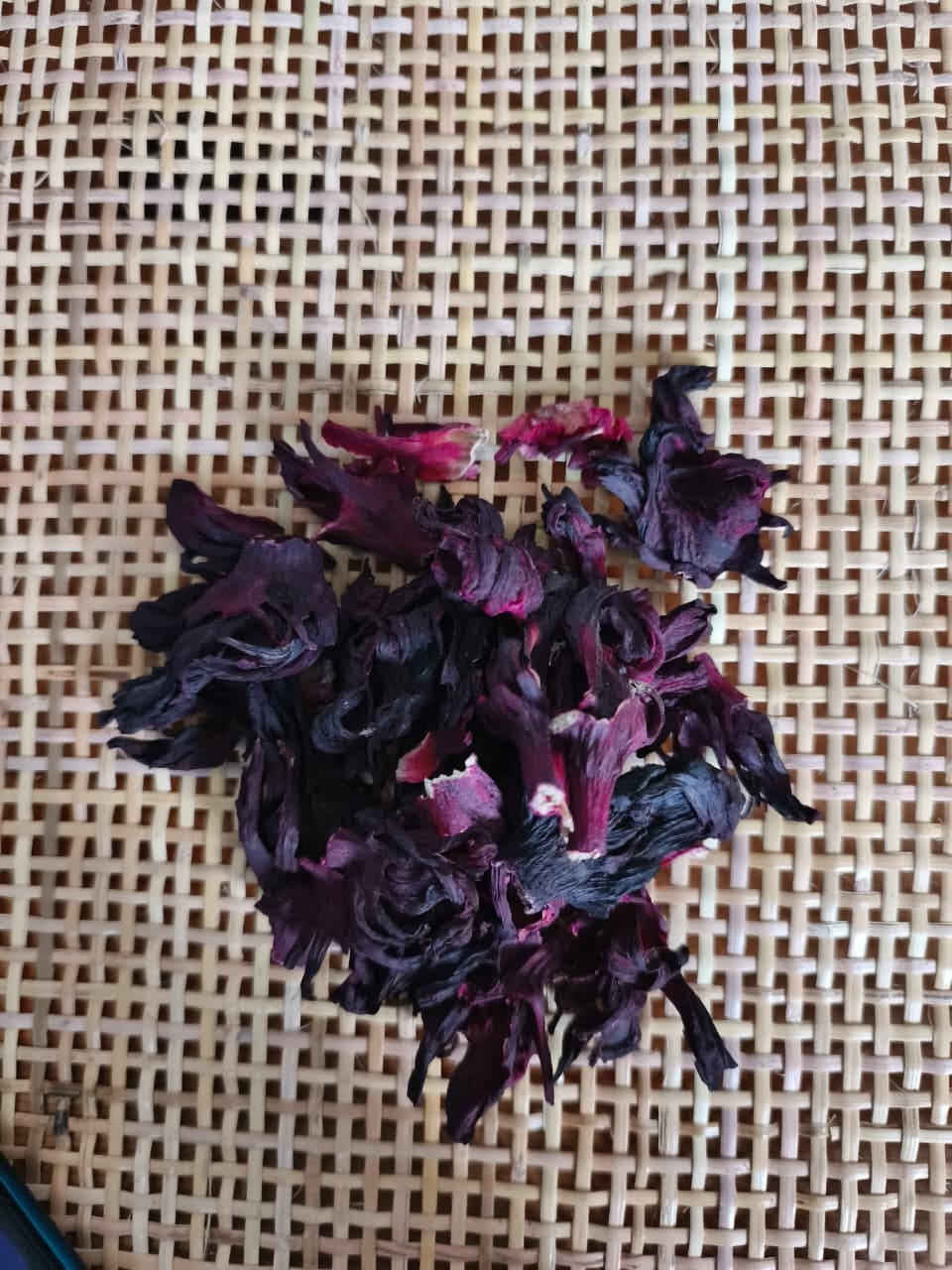
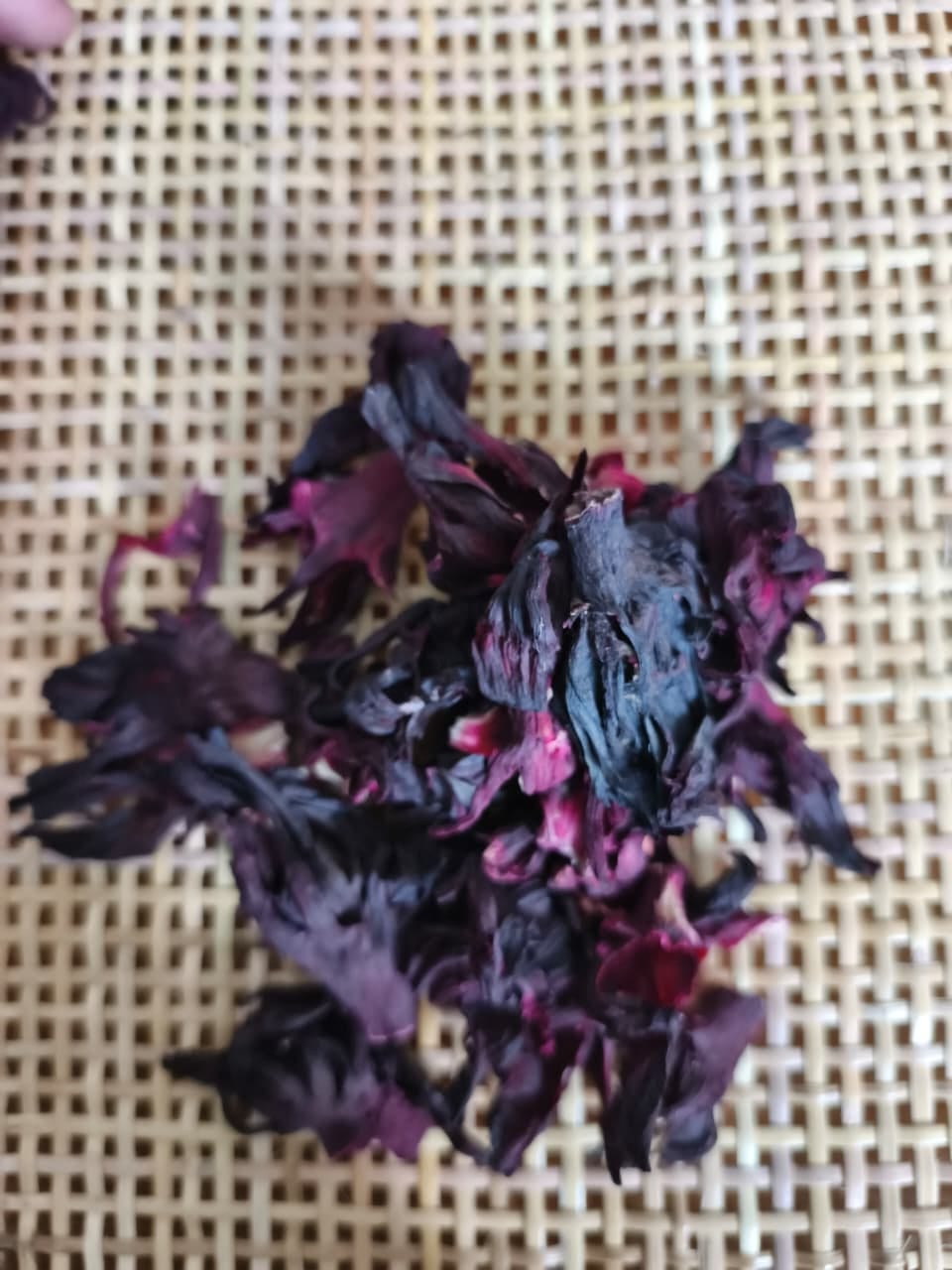
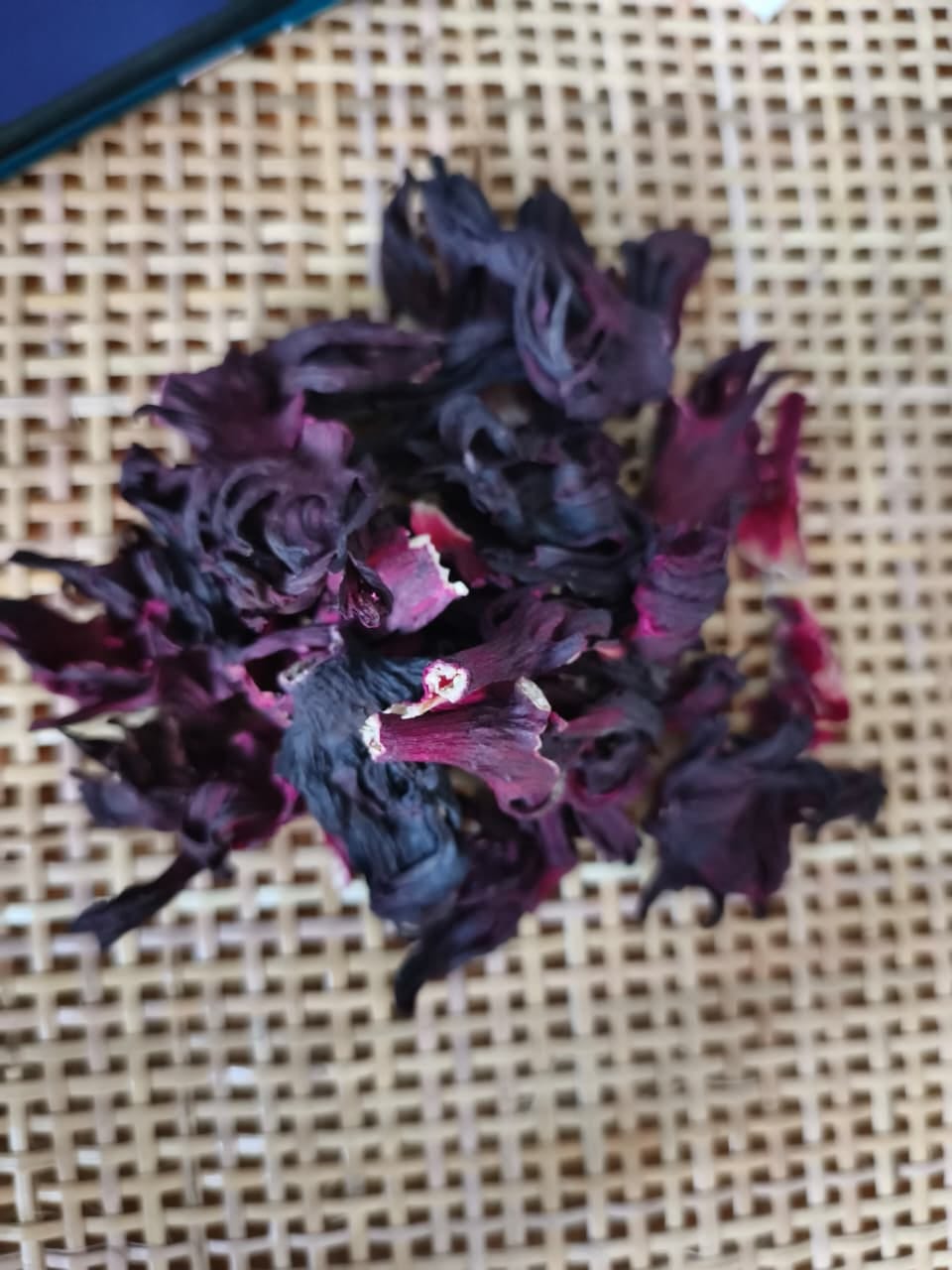
Hibiscus is not just a crop it is a supply-driven commodity that depends on timing, handling, and coordination to reach international markets in usable condition. From harvesting to final delivery, each step plays a role in preserving its key characteristics. Scientifically known as Hibiscus sabdariffa, hibiscus is recognized for its strong natural color, light acidity, and compatibility with beverage production systems.
Looking at the supply chain as a whole provides a clearer picture of how consistency is achieved.
Harvest and Initial Handling
The process begins at farm level, where correct timing is essential:
- Calyces are harvested when they reach suitable maturity
- Immediate handling reduces contamination and damage
- Initial sorting removes unwanted materials
These early steps affect overall product quality.
Drying and Stabilization
After harvesting, hibiscus must be stabilized for storage and transport:
- Drying reduces moisture to safe levels
- Proper airflow prevents mold and spoilage
- Even drying helps maintain uniform appearance
This stage prepares the product for movement across markets.
Storage and Packaging
Before export or distribution, hibiscus is stored under controlled conditions:
- Kept in ventilated and dry environments
- Packed in materials that protect against moisture
- Organized for easy handling and transport
These measures help preserve product condition.
Transportation and Distribution
Hibiscus is transported through regional and international networks:
- Moved from farms to processing or export points
- Shipped to different countries based on demand
- Distributed to manufacturers and traders
This connects local production with global markets.
End Use in Production
Once delivered, hibiscus is used across various applications:
- Beverage production
- Herbal infusions
- Food ingredient blending
Its stable properties make it suitable for different uses.
Global Recognition
Hibiscus is widely known under different names depending on the region:
- Zobo in West Africa
- Karkade in North Africa and the Middle East
- Agua de Jamaica in Latin America
These variations highlight its global presence.
Conclusion
Hibiscus moves through a structured supply chain that depends on proper handling, storage, and coordination. When each stage is managed correctly, the product maintains its usability and consistency across markets.
Ziha Universal Company Nig Limited participates in this process by supplying hibiscus that supports stable distribution and practical use in different industries.
메타데이터
- post_id
- 73fcc9d73133
- slug
- how-hibiscus-moves-through-the-global-supply-chain-73fcc9d73133
- url
- https://medium.com/@hibiscussupplier/how-hibiscus-moves-through-the-global-supply-chain-73fcc9d73133
- canonical_url
- https://medium.com/@hibiscussupplier/how-hibiscus-moves-through-the-global-supply-chain-73fcc9d73133
- author_url
- https://medium.com/@hibiscussupplier
- status
- ok
- fetched_at
- 2026-07-24 12:20:12