Civilization. The last page. (252)
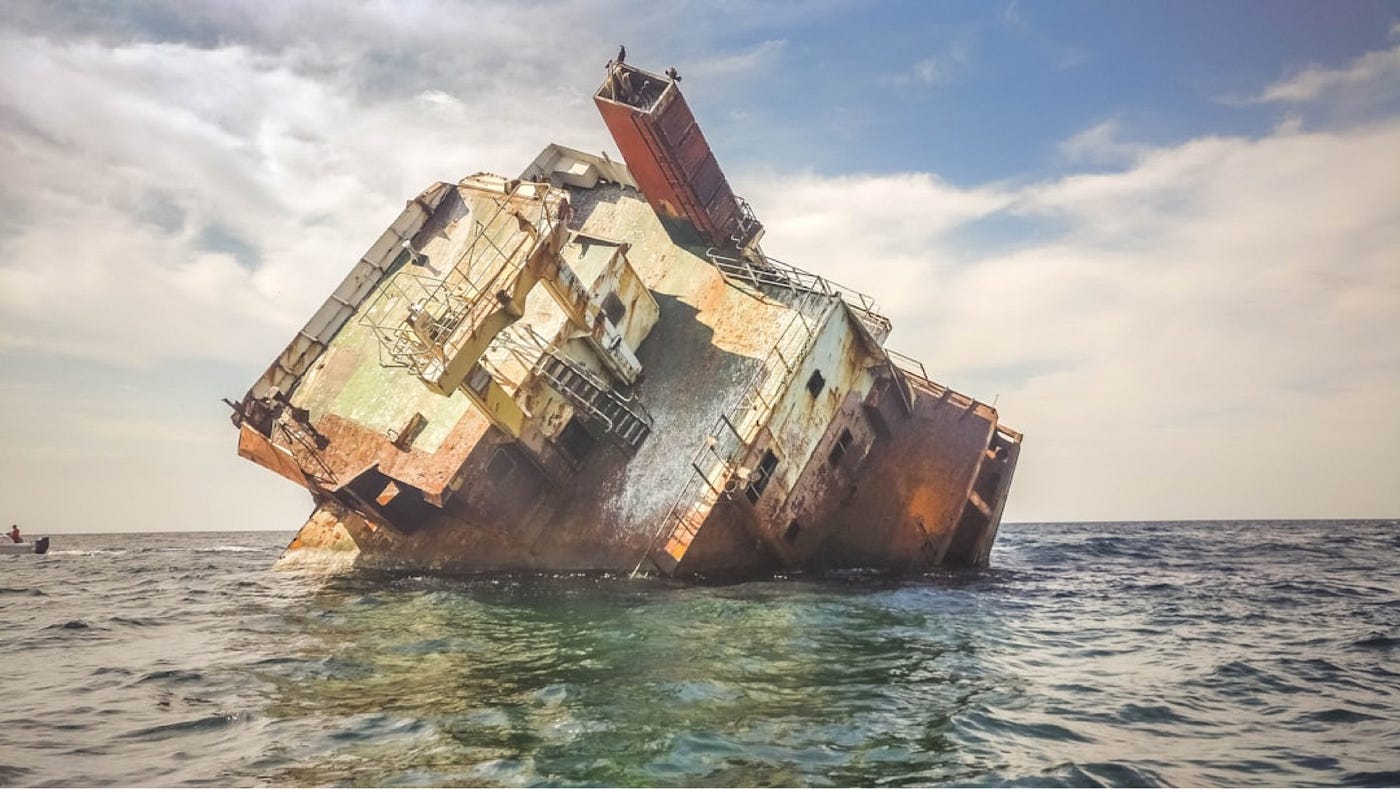
Photo by NIR HIMI on Unsplash
Civilization. The last page. (252)
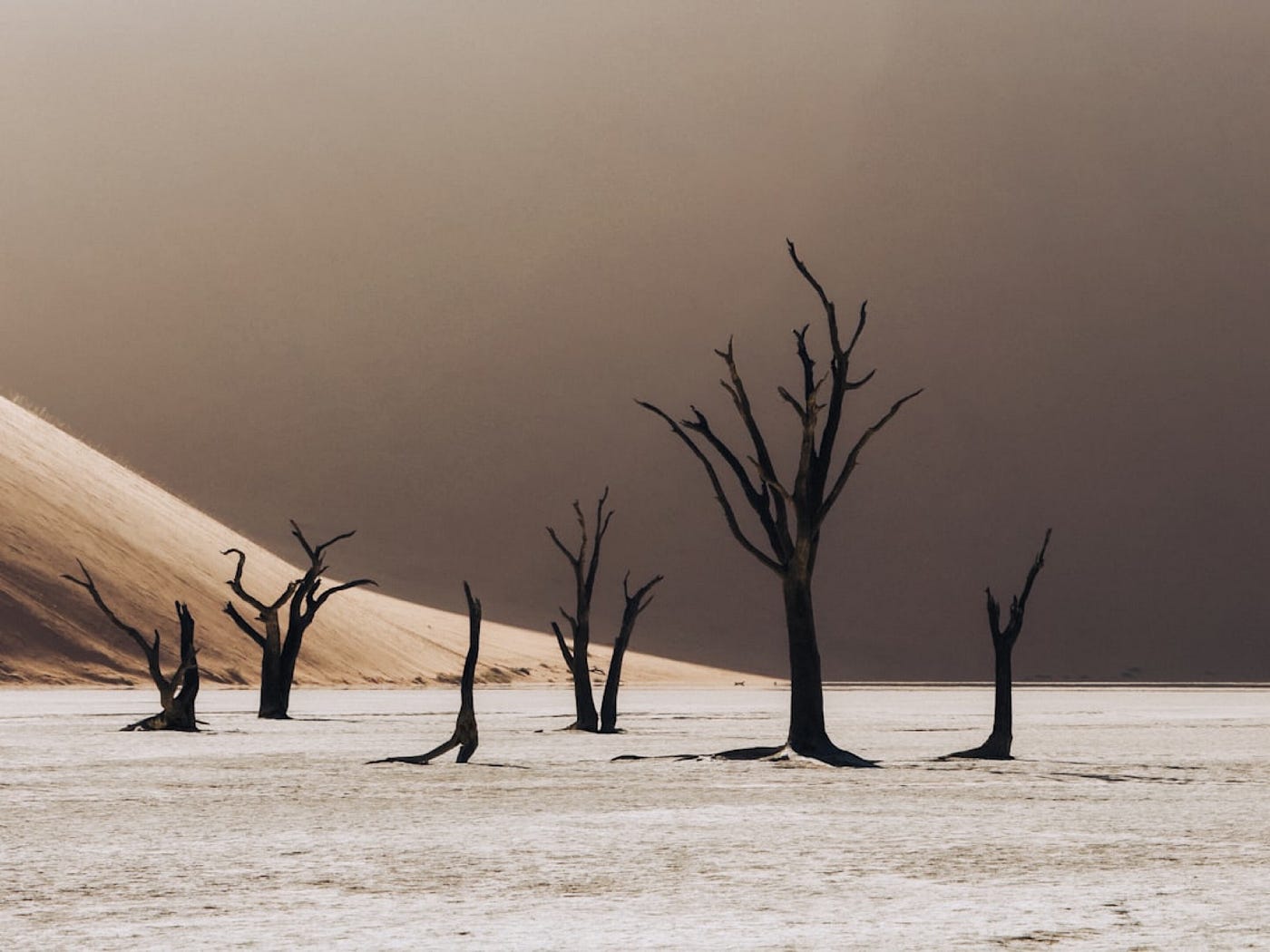
Photo by NIR HIMI on Unsplash
Figures don’t Lie.
I’m an enthusiastic fan of statistics and definitive statements, but not of the trend of using them interchangeably with facts:
“In the last 75 years, sea levels have risen at an average of 0.08 inches per year for a total of 6.16 inches. (156 mm)”
“Air pollution kills over 800,000 people in the world every year.”
“The CO2 level has risen 210 PPM since 1890, causing an average global temperature increase of 1.7° that will further increase by 3.4° to 4.5°C by 2100”.
They sound definite and authoritative. Things you can quote to establish what you have based your opinions on, but they aren’t facts, they’re statistical estimates and projections.
“Air pollution kills over 800,000 people in the world every year.” The World Health Organization (WHO) is collecting the figures, but is the cause accurate? Could it be malnutrition? Bad food? Parasites or poor sanitation? We aren’t doing anything to prevent it so the numbers are likely to increase. What’s the purpose of disclosing it?
“In the last 75 years, sea levels have risen at an average of 0.08 inches per year for a total of 6.16 inches (156 mm)” Measuring the water level over an oddly shaped ball with an irregular bottom covered by water that is constantly being moved by strong winds and storms, is a seemingly impossible task. I give it the same level of accuracy as the number of Argentine ants in the world. We see the melting of the world’s glaciers and shrinking Polar ice sheets, so we know melting ice is adding water to the seas. We have measured the temperature of the Pacific ocean and it is warming, at least 5,000 linear miles of it, from the West coast of the American continents to Asia. We know warming water increases its bulk, so we know that also increases the sea level. Whether it’s 6 inches or 60, isn’t nearly as important as the warning: Rising sea levels pose a serious danger to the 65 million people who live near the shores. A wind or storm will flood unprotected shores that face the wind. A foot of standing water destroys the tallest city.
“CO2 levels have risen 210 PPM since 1890, the highest in 2 million years.“ Sensitive instruments on Kilauea volcano in Hawaii measure the CO2 molecules at this location because it’s the farthest from any sources of CO2 generation on the planet, so the measurment of world CO2 is as accurate as possible. Scientists have examined air bubbles trapped in ice cores from ice formed 800,000 thousands years ago, to verify its CO2 content. Plant fossils carbon-dated to twice that old, reveal the temperature at which they were growing, confirming the temperature there was warmer. Solar and volcanic activity were examined and eliminated as causes of the temperature variation, leaving the increased atmospheric content of CO2 as the cause. Highest in 2 million years? Does it matter?
The average Global Temperature has increased 1.7°C since 1890. Scientists have plotted the data revealing a curve that has the shape of a hockey stick. Temperature estimates of the increases range from 2.6° to 4.5° by 2100. Unknown is the effect of the reduced Albedo (reflectivity) of the shrinking polar ice, and the decline of its cooling effects, as well as the slowing of the “tropical current” (AMOC). Like the rise of sea levels, the amount of eventual temperature rise in the next 75 years is TBD. However, the amount of temperature increase our species and the flora and fauna on which we depend can survive, is the question. So far 65% of bugs including pollinators, 70% of birds, 60% of fish and 80% of wild carnivores are gone. 40% of flora are now extinct. Are those statistics overstated ? Really? By 1/2? By a 1/4? What will they be when the anticipated warming doubles?
80% of the world population lives in cities, that dependent on daily food deliveries by trucks, that require a constant supply of highly refined fossil fuel, delivered over paved roads. Purified potable water supplies are distributed through vast pipeline networks, pressurized by electric pumps from reservoirs filled by unreliable rains. We are protected from fatal heat and killing cold by a highly vulnerable electrical grid of wires: coal brought by rail and heating oil delivered in tanker trucks, fuel for our cars and methane gas for electricity generation. We are dependent on a critical number of our fellow humans to operate, protect and maintain these vital systems, materials, and distribution systems in a fragile social structure. Our cops must maintain order and protect us and our resources from banditry. Work crews must keep our roads and highways free of debris and abandoned vehicles.
Imagine the effect of 1% of the residents of a city of 8 million (80,000) killed or displaced by a disaster. Was it a hurricane, heat dome, flood, atmospheric river, pandemic, wild fire, meteor, earthquake, or super volcano ? Does it matter?
Our civilization has been built on the surface of a planet undergoing changes. Some are violent, some were caused by us. Our survival is inexorably linked to all other living things. When they die, we die.
Have a nice day.
메타데이터
- post_id
- 740ff181fb5b
- slug
- civilization-the-last-page-252-740ff181fb5b
- url
- https://medium.com/@janslort/civilization-the-last-page-252-740ff181fb5b
- canonical_url
- https://medium.com/@janslort/civilization-the-last-page-252-740ff181fb5b
- author_url
- https://medium.com/@janslort
- status
- ok
- fetched_at
- 2026-06-13 12:55:53