Types of Suture: A Detailed Overview for Surgical and Wound Care Use
Sutures are an essential component of surgical practice and wound management. From minor skin injuries to complex surgical procedures, the…
Types of Suture: A Detailed Overview for Surgical and Wound Care Use
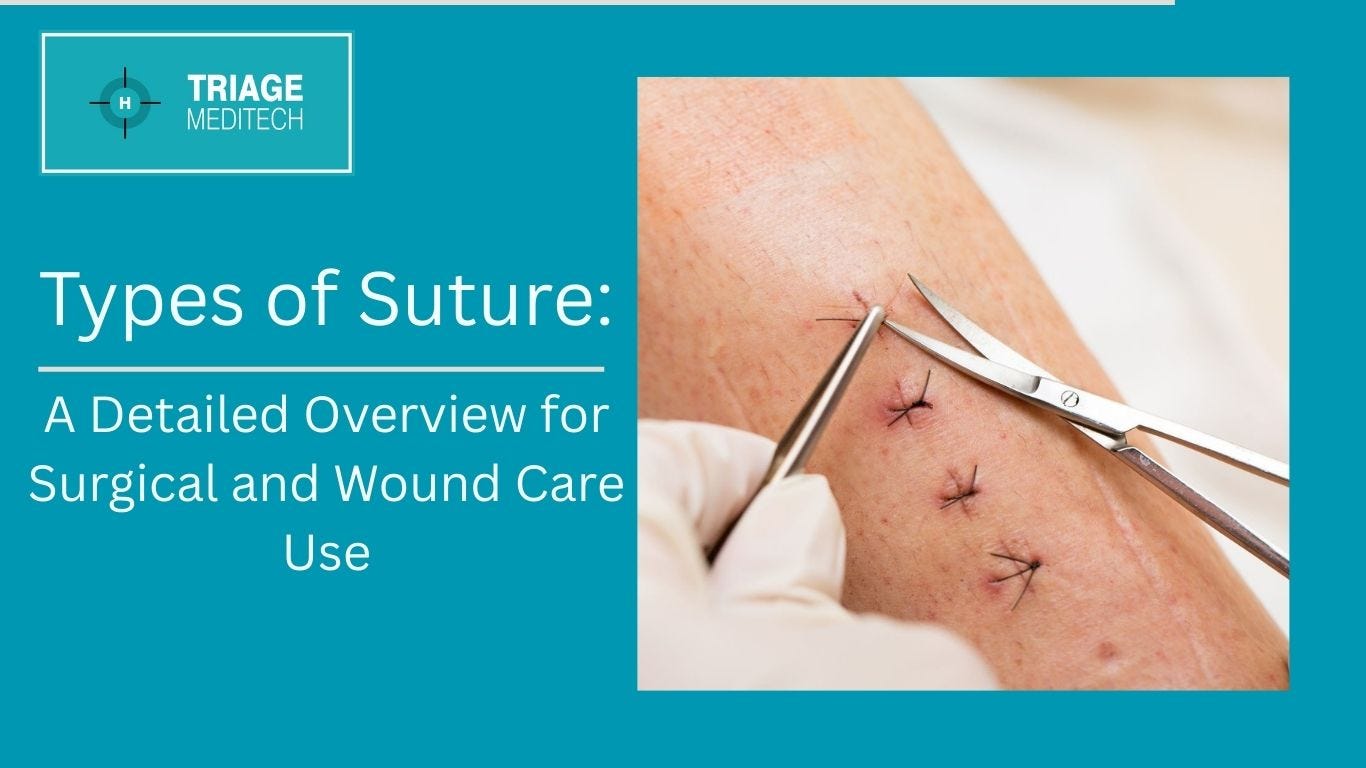
Sutures are an essential component of surgical practice and wound management. From minor skin injuries to complex surgical procedures, the correct types of suture help ensure proper wound closure, reduce infection risk, and support effective tissue healing. With many suture materials available today, understanding their classification and usage is critical for healthcare professionals.
This article explains the types of suture, their materials, properties, and clinical applications in a simple, professional, and human-friendly way.
Understanding Sutures in Medical Practice
A suture is a sterile thread used to stitch tissues together after surgery or trauma. Sutures provide mechanical support to wounds until natural tissue healing occurs. The ideal suture should be strong, easy to handle, cause minimal tissue reaction, and match the healing rate of the tissue.
Broad Classification of Types of Suture
Sutures can be classified based on:
- Absorbability
- Origin of material
- Filament structure
- Intended clinical use
Each category helps surgeons choose the most suitable suture for a specific procedure.
Types of Suture Based on Absorbability
Absorbable Sutures
Absorbable sutures are designed to degrade naturally inside the body over time. These sutures are commonly used for internal tissues and do not require removal.
Natural Absorbable Sutures
- Plain Catgut: Rapidly absorbed and used in tissues that heal quickly.
- Chromic Catgut: Treated to slow absorption and maintain strength for a longer duration.
Synthetic Absorbable Sutures
- Polyglactin 910 (Vicryl): A braided suture with predictable absorption and good handling.
- Polyglycolic Acid (PGA): Known for high tensile strength and minimal tissue reaction.
- Polydioxanone (PDS): A monofilament suture suitable for slow-healing tissues such as fascia.
Non-Absorbable Sutures
Non-absorbable sutures are not broken down by the body and either remain permanently or are removed after healing.
Natural Non-Absorbable Sutures
- Silk Sutures: Soft, flexible, and easy to handle, commonly used in general surgical procedures.
Synthetic Non-Absorbable Sutures
- Nylon (Polyamide): Widely used for skin closure due to low tissue reaction.
- Polypropylene (Prolene): Resistant to infection and ideal for vascular and plastic surgeries.
- Polyester Sutures: Strong and durable, used in orthopedic and cardiovascular surgeries.
- Stainless Steel Sutures: Extremely strong, often used for bone fixation and sternum closure.
Types of Suture Based on Filament Structure
Monofilament Sutures
Monofilament sutures are made of a single smooth strand, allowing easy passage through tissue.
Advantages:
- Reduced infection risk
- Minimal tissue trauma
Disadvantages:
- Lower knot security
- Slightly difficult handling
Examples: Nylon, Polypropylene, PDS
Multifilament Sutures
Multifilament sutures are braided or twisted fibers that provide excellent flexibility and knot stability.
Advantages:
- Better handling
- Strong knot security
Disadvantages:
- Higher risk of bacterial growth
Examples: Silk, Vicryl, Polyester
Types of Suture Based on Clinical Application
Skin Closure Sutures
Used for external wounds where cosmetic results matter. Nylon and polypropylene are commonly preferred.
Internal Tissue Sutures
Absorbable sutures such as Vicryl and PDS are ideal for internal organ repair.
Cardiovascular Sutures
Polypropylene sutures are commonly used due to their strength and resistance to infection.
Orthopedic Sutures
High-strength sutures like polyester and stainless steel are used for tendons, ligaments, and bones.
Factors Influencing the Choice of Types of Suture
Selecting the correct suture depends on several factors:
- Healing time of the tissue
- Risk of infection
- Tensile strength required
- Surgeon’s preference
- Patient condition
Proper suture selection ensures better healing outcomes and fewer complications.
Conclusion
A clear understanding of the **types of suture** is essential in surgical and wound-care practice. From absorbable to non-absorbable, monofilament to multifilament, each suture has unique properties and clinical uses. Choosing the right suture material based on tissue type and healing requirements plays a vital role in successful surgical outcomes and patient recovery.
메타데이터
- post_id
- 74c6bc9b76ea
- slug
- types-of-suture-a-detailed-overview-for-surgical-and-wound-care-use-74c6bc9b76ea
- url
- https://medium.com/@Jitender_TriageMeditech/types-of-suture-a-detailed-overview-for-surgical-and-wound-care-use-74c6bc9b76ea
- canonical_url
- https://medium.com/@Jitender_TriageMeditech/types-of-suture-a-detailed-overview-for-surgical-and-wound-care-use-74c6bc9b76ea
- author_url
- https://medium.com/@Jitender_TriageMeditech
- status
- ok
- fetched_at
- 2026-08-04 09:17:15




