What If AI Investigated: QAnon Killed the Don — The Murder of Francesco Cali and What Came After
On March 13, 2019, Francesco Cali became the first New York mob boss to be murdered since Paul Castellano in 1985. His killer was not a…
What If AI Investigated: QAnon Killed the Don — The Murder of Francesco Cali and What Came After
On March 13, 2019, Francesco Cali became the first New York mob boss to be murdered since Paul Castellano in 1985. His killer was not a rival family. Not an internal power struggle. Not a Commission decision. He was shot and run over by a 24-year-old QAnon believer from Staten Island who had decided Cali was part of the deep state.
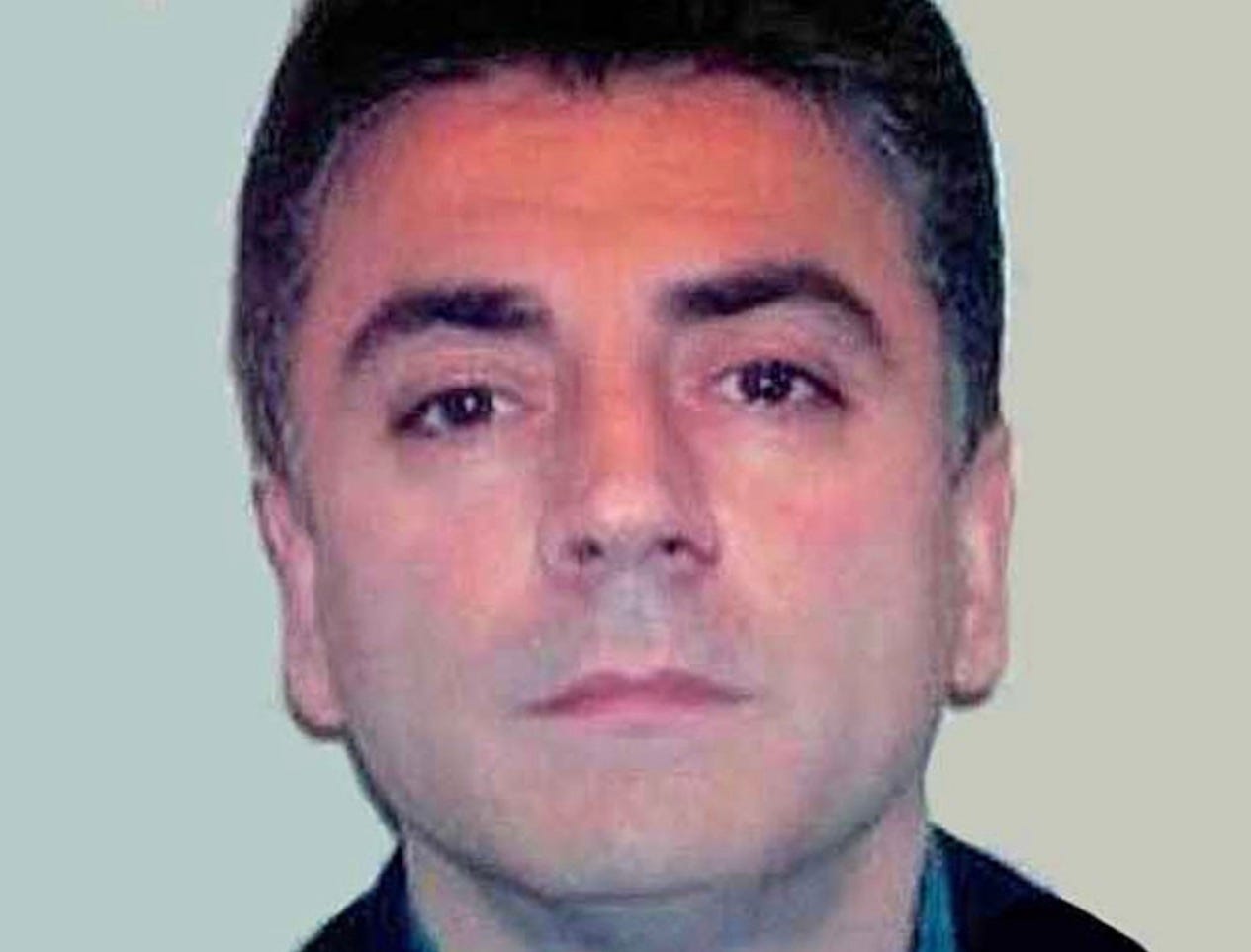
Francesco Cali — The first New York mob boss killed since 1985. Not by a rival. By someone who had been radicalised by the internet into believing organised crime was the deep state. Image: Wikimedia
Part of the What If AI Investigated series. The methodology is consistent across every piece: evidence first, documented sources and conclusions the record actually supports.
The Thirty-Four Year Gap
The murder of Paul Castellano outside Sparks Steak House on December 16, 1985, is documented in detail elsewhere in this series. John Gotti ordered it. Salvatore Gravano planned it. It was the last time a New York mob boss was killed.
For thirty-four years, the New York organised crime landscape produced no repeat of that specific event. Commission level violence had been the defining feature of the early decades: Masseria, Maranzano, Anastasia, Gallo, Castellano. The Commission Trial convictions of 1986 changed the calculus. RICO changed the exposure structure. Cooperation agreements changed the informant economics. The specific environment that produced boss level killings as governance instruments changed enough that the killings stopped.
For thirty-four years.
On March 13, 2019, the gap ended. Francesco Cali was shot on the driveway of his Staten Island home. Then the killer drove over him with his truck. Then the killer drove away.
Every element of that sequence is consistent with a targeted assassination. Everything else about it is completely inconsistent with the world the series has been documenting.
Francesco Cali — The Don
Francesco Cali, Franky Boy, was born in Brooklyn in 1965 to Sicilian immigrant parents. He was connected to the Gambino family through his uncle’s relationships, rose through its structure across the 1990s and 2000s, and by the late 2010s was the family’s boss. He represented a specific type of senior organised crime figure that the database has mapped repeatedly: genuinely low profile, operationally focused and disinclined toward the public visibility that had destroyed Gotti.
He was, by every account, an Accardo rather than a Gotti. He did not seek press attention. He was not photographed at celebrity events. He did not hold court at restaurants where journalists could observe him. He ran the Gambino family’s operations from a position of genuine relative invisibility.
This is analytically significant for the specific way his murder unfolded. A figure who cultivates celebrity creates a public identity that can be picked up and weaponised by almost anyone paying attention to organised crime. A figure who cultivates invisibility should be, by that theory, harder to target for exactly this reason.
The QAnon killing of Cali is the specific case that adds a third dimension to the visibility survival analysis. It suggests that in the era of internet conspiracy culture, even genuine operational invisibility does not fully protect against radicalised actors who have constructed their own mythology around targets that exist in the conspiracy’s imaginary world, a mythology that may have little connection to the target’s actual operational profile.

QAnon produced a map of the world in which organised crime figures were deep state operatives. The map was detailed, internally consistent, and completely disconnected from prosecutorial reality. All images generated by author unless stated
Anthony Comello — The Killer
Anthony Comello was 24 years old when he killed Francesco Cali. He was from Staten Island. He had no connection to organised crime. He had no criminal history that would have placed him within any of the networks the series has documented.
He had been deeply immersed in QAnon.
QAnon, the online movement centred on anonymous posts claiming that a shadow government was running a global paedophile network and that Donald Trump was secretly fighting it, had by 2019 developed a detailed internal mythology that mapped specific individuals onto its version of the deep state. The mythology was not static. It was community generated, constantly evolving and capable of incorporating almost any public figure into its framework if a compelling narrative could be constructed.
Comello had apparently become convinced that Francesco Cali was a deep state operative. The specific logic by which he reached this conclusion is not fully documented, his mental state and the specific content of his QAnon engagement are contested in the legal record. What is documented: when he was arrested in New Jersey, he had written on his hand in marker. The writing included a Q, the phrase “MAGA Forever,” and the phrase “United We Stand.”
His lawyer argued he had descended into a delusional mental state in which he genuinely believed he was executing a patriotic act against a deep state enemy. Whether the legal definition of that mental state was met was the central question of his prosecution.
What is established: Comello killed Cali on March 13, 2019. The QAnon markers on his hand are documented. He was convicted of second-degree murder and sentenced to life in prison in 2021.
What is contested: The precise nature of his mental state and whether his QAnon beliefs constituted a legal defence.
What the Killing Was Not
The analytical value of the Cali murder is partly negative: cataloguing what it was not tells you as much as cataloguing what it was.
It was not a Commission decision. The Commission’s authority had been effectively dismantled by the 1986 trial. But even the residual informal governance that has operated in its absence did not produce this killing. No consensus decision was made. No authorisation was sought or given.
It was not an internal Gambino family power struggle. Gotti’s killing of Castellano in 1985 was a factional decision, a specific group within the family executing a boss they opposed. Nothing in the documented record of the Cali killing suggests any internal Gambino family involvement or factional motivation.
It was not a rival family operation. None of the other New York families, Genovese, Lucchese, Colombo, Bonanno, had documented motive or opportunity that connects to the killing. Law enforcement established no inter-family connection.
It was an external actor, motivated by ideology derived from internet conspiracy culture, who had decided a senior organised crime figure was a political enemy rather than a criminal one.
The Gambino Response — Or the Absence of It
The most analytically revealing element of the Cali murder is what came after it.
When Anastasia was killed in 1957, the Commission convened. When Castellano was killed in 1985, Gotti immediately took control and the family reorganised. Every previous boss level killing in the New York database produced a rapid organisational response, succession, power consolidation and political management of the consequences.
The Gambino family’s response to Cali’s killing was institutionally muted. There was no documented retaliation. No second killing. No public reorganisation visible to law enforcement surveillance. The family’s senior figures understood almost immediately that the killing was not organised crime-motivated, that responding with the mechanisms the database has documented would be responding to the wrong thing in the wrong way.
This restraint is itself evidence of how much the organisations have changed since 1985. A Commission with full governance authority would have had a specific process for addressing the killing of a boss by an outsider. Without that structure, and with the constant knowledge that any significant organisational action would be under immediate federal scrutiny, the family absorbed the loss without the retaliatory machinery the earlier database entries would have predicted.
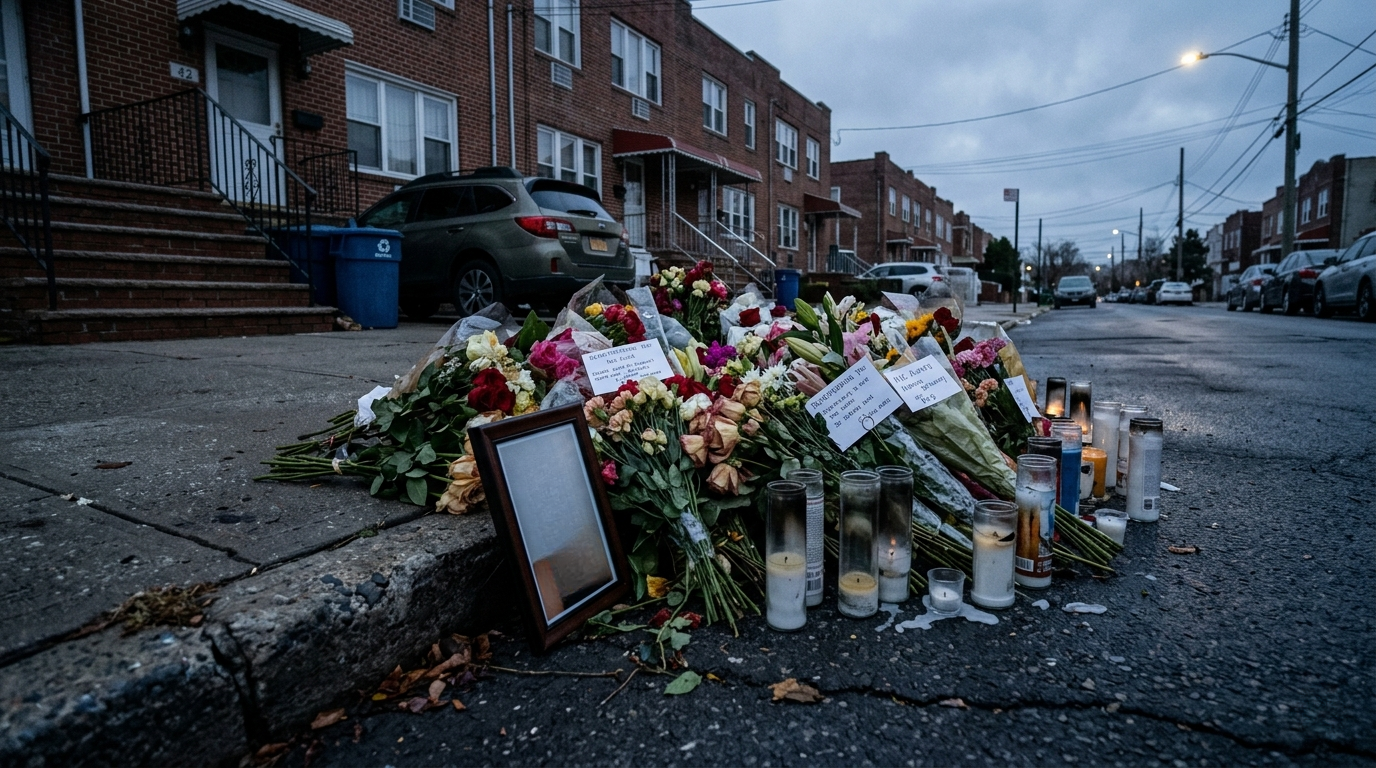
The first New York mob boss killed in 34 years. No retaliation. No Commission process. The organisational machinery that would have managed this no longer functions the same way.
What QAnon Did to the Map
The Cali killing is the database’s most contemporary entry and its strangest. It connects the series’ historical analysis of organised crime, running from Rothstein in 1919 through the Commission in 1931 through the Maxi Trial in 1986–87, to a specific 21st century phenomenon: the radicalisation of individuals through internet conspiracy culture to the point of lethal violence.
QAnon’s specific distortion that produced the Cali killing was the absorption of organised crime into its deep state mythology. The series has documented extensively the actual relationship between organised crime and the American state: the accommodation, the protection windows, the CIA-mob operational relationships and the FBI’s decades of denial. That documented relationship, complex, specific and institutional, is nothing like the QAnon mythology that portrayed figures like Cali as operatives of a shadow government paedophile network.
The distance between those two pictures is the distance between documented institutional reality and conspiracy mythology. Comello did not kill Cali because he had read the Church Committee report and drawn the wrong conclusions. He killed him because he had absorbed a mythology in which the Gambino boss’s actual role, running a criminal organisation through the specific mechanisms the series has mapped, was replaced by something else entirely.
The specific irony: the series has documented genuine, institutional connections between organised crime and government that are analytically significant and evidentially supported. Those connections were invisible to a belief system that replaced them with something much simpler and much more violent.
The Verdict
The official record: Francesco Cali was murdered on March 13, 2019, by Anthony Comello, who was convicted of second-degree murder and sentenced to life in prison.
The evidentiary record adds the analytical context:
The thirty four year gap between the Castellano and Cali killings documents how completely the organised crime environment had changed. The specific mechanisms that produced boss level killings as governance instruments, the Commission’s authority, the unchecked internal power struggles, the enforcement of discipline through unsanctioned murder, had been dismantled by prosecution, cooperation, and the fundamental restructuring of the organisations’ internal incentives.
The method of Cali’s killing, by someone with no connection to organised crime, motivated by internet conspiracy ideology, documents a new category of risk that the visibility survival analysis had not previously needed to account for. An organised crime figure does not need to be visible in the traditional sense, known to rival families, profiled by law enforcement, targeted by prosecution, to be incorporated into a conspiracy mythology that maps targets onto a completely different worldview.
The Gambino family’s muted response documents the current operational reality: the organisations that the series has tracked from their 1930s consolidation through their 1980s legal defeat exist now in a form that has lost the capacity for the institutional responses their predecessors would have deployed.
QAnon killed the don. The don’s organisation absorbed the loss in silence. The thirty-four years between Sparks Steak House and Staten Island are the measure of how much had changed in between.
Part of the What If AI Investigated series. Sources: New York Times coverage of Cali murder and Comello arrest (March 2019); People v. Comello, Richmond County Supreme Court (2021); Mazzetti, M., and Rashbaum, W., reporting on the Gambino family structure; FBI press materials on Comello conviction.
메타데이터
- post_id
- 7579a665c99c
- slug
- what-if-ai-investigated-qanon-killed-the-don-the-murder-of-francesco-cali-and-what-came-after-7579a665c99c
- url
- https://medium.com/what-if-ai-investigated/what-if-ai-investigated-qanon-killed-the-don-the-murder-of-francesco-cali-and-what-came-after-7579a665c99c
- canonical_url
- https://medium.com/what-if-ai-investigated/what-if-ai-investigated-qanon-killed-the-don-the-murder-of-francesco-cali-and-what-came-after-7579a665c99c
- author_url
- https://medium.com/@jamie_gray027
- status
- ok
- fetched_at
- 2026-06-21 19:25:17