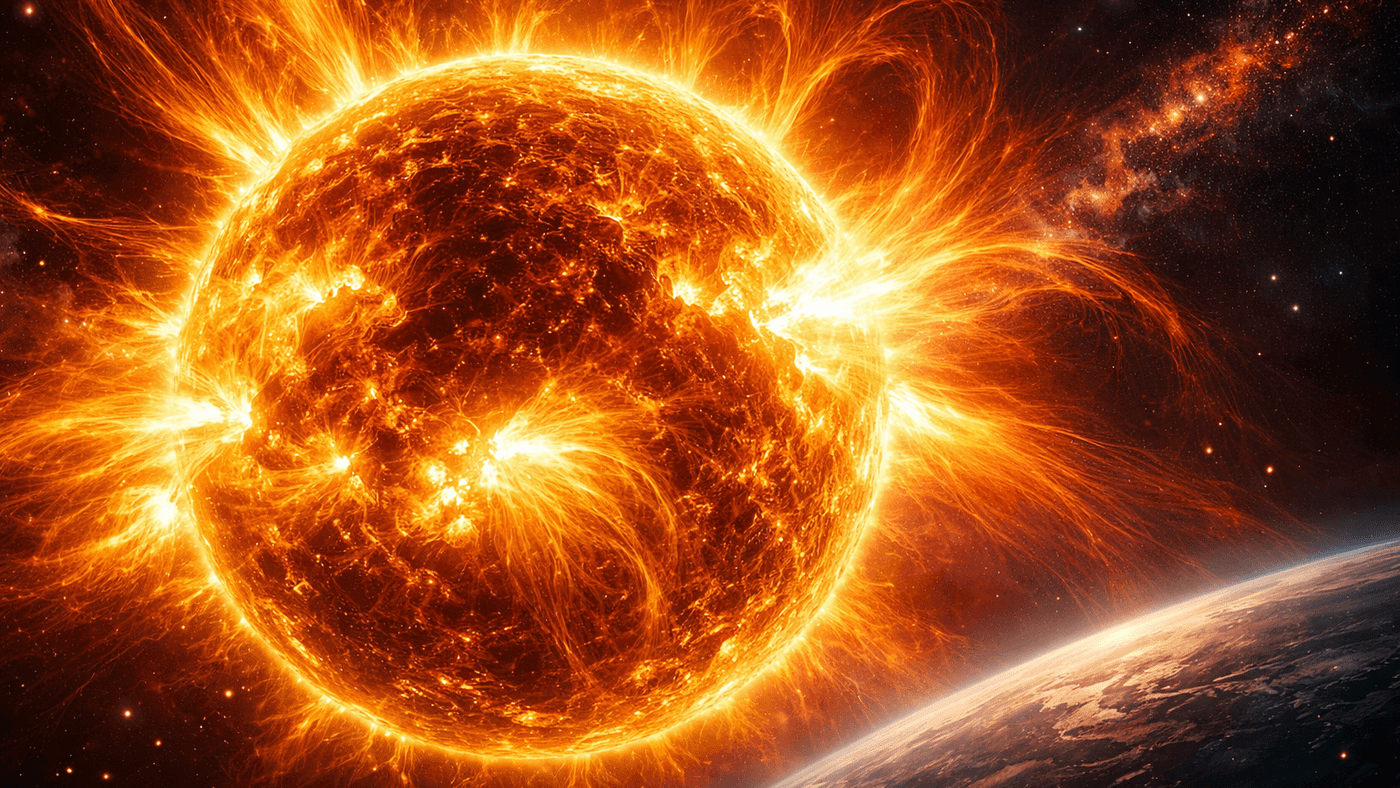
From Pacific Warm Waters to Global Weather Chaos: The Atmospheric Chain Reaction Behind El Niño
Understanding El Niño
From Pacific Warm Waters to Global Weather Chaos: The Atmospheric Chain Reaction Behind El Niño
[embed]How a Localized Pacific Ocean Heat Anomaly Creates a Global Atmospheric Fingerprint That Alters Weather, Climate, and Ecosystems Around the World
Understanding El Niño
El Niño is the warm phase of the El Niño–Southern Oscillation (ENSO), a naturally occurring climate cycle involving interactions between the tropical Pacific Ocean and the atmosphere above it. During an El Niño event, sea surface temperatures in the central and eastern equatorial Pacific become significantly warmer than average.
Under normal conditions, easterly trade winds push warm surface water westward toward Indonesia and Australia. This movement allows cooler, nutrient-rich water to rise along the coast of South America through a process called upwelling. During El Niño, those trade winds weaken or even reverse, allowing warm water to spread eastward across the Pacific.
The result is a massive redistribution of ocean heat energy. Since the oceans store more than 90% of excess heat in the climate system, even a modest increase in sea surface temperatures across a vast area can have profound atmospheric consequences.
El Niño by the Numbers
- Occurs approximately every 2–7 years.
- Typically lasts 9–12 months, though some events persist longer.
- Can increase sea surface temperatures by 1°C to more than 3°C above average.
- Influences weather conditions affecting billions of people worldwide.
- May contribute to global temperature records during strong events.
- Impacts regions across North America, South America, Africa, Asia, Australia, and Europe.
- Can alter atmospheric circulation patterns across more than one-third of the planet.
- Strong El Niño events have caused economic damages exceeding tens of billions of dollars globally.
Scientists monitor El Niño using sea surface temperature anomalies in a region known as Niño 3.4, located in the central tropical Pacific. Sustained warming above approximately 0.5°C is one of the indicators used to classify an El Niño event.
How a Warm Water Pool Forms
The process begins with changes in the strength of the Pacific trade winds. Normally, these winds act like a giant conveyor belt, piling warm water toward the western Pacific. When the winds weaken, warm water starts flowing eastward.
As this warm water migrates, the ocean surface becomes unusually warm across vast portions of the central and eastern Pacific. The warmer ocean transfers additional heat and moisture into the atmosphere above it through evaporation.
This extra heat acts as fuel for convection, the process in which warm, moist air rises. As the rising air releases latent heat through cloud formation and precipitation, atmospheric circulation patterns begin to reorganize on a planetary scale.
The warm pool effectively becomes an atmospheric engine capable of influencing weather systems far from its source.
The Atmospheric Fingerprint of El Niño
The atmosphere responds quickly to the redistribution of heat in the Pacific. Rising air above the warmer ocean creates changes in pressure patterns that alter global circulation.
One of the most important mechanisms is the modification of the Walker Circulation, an east-west atmospheric circulation pattern across the tropical Pacific.
During normal conditions:
- Warm air rises over Indonesia.
- Air travels eastward at high altitudes.
- Cooler air sinks over the eastern Pacific.
- Trade winds complete the circulation loop.
During El Niño:
- The zone of strongest rising air shifts eastward.
- Rainfall moves into the central Pacific.
- Pressure patterns change across the tropics.
- Jet streams are displaced.
- Storm tracks are redirected.
This atmospheric reorganization creates a distinctive mechanical fingerprint that can be observed in weather data worldwide.
Impact on North America
El Niño often changes weather patterns across North America by altering the position and strength of the Pacific jet stream.
United States Southern Tier
The southern United States frequently experiences wetter-than-average conditions during strong El Niño winters. Increased storm activity can bring heavy rainfall, flooding, and severe weather.
Northern United States and Canada
Many northern regions tend to experience milder and warmer winters than normal because the polar jet stream shifts northward.
Western United States
California sometimes receives significantly increased winter precipitation during strong El Niño events, although outcomes can vary depending on the event’s strength and structure.
Feature Highlights
- Increased winter storms across southern regions.
- Higher flood risk in some coastal areas.
- Milder winters in parts of Canada.
- Reduced snowfall in some northern regions.
- Changes in drought frequency and intensity.
Impact on South America
South America often experiences some of the most direct consequences of El Niño because the warming occurs near its western coastline.
Countries along the Pacific coast may receive unusually heavy rainfall, increasing flood and landslide risks. Meanwhile, some regions in northern South America can experience drier conditions.
The warming ocean also suppresses nutrient-rich upwelling, which affects marine ecosystems and commercial fisheries.
Feature Highlights
- Increased rainfall in Peru and Ecuador.
- Greater flooding risk.
- Disruption of fisheries.
- Reduced nutrient availability in coastal waters.
- Economic impacts on fishing communities.
Impact on Australia and Southeast Asia
One of the most consistent El Niño impacts occurs across Australia and parts of Southeast Asia. Because convection shifts eastward into the central Pacific, rainfall often decreases over these regions.
This can result in prolonged droughts, heatwaves, reduced agricultural production, and elevated wildfire risk.
Historically, some of Australia’s most severe droughts have coincided with major El Niño events.
Feature Highlights
- Reduced rainfall.
- Higher temperatures.
- Increased wildfire danger.
- Agricultural stress.
- Water resource challenges.
Impact on Africa
El Niño influences rainfall patterns across multiple regions of Africa, though impacts vary by location and season.
Eastern Africa may experience heavier rainfall and flooding, while portions of southern Africa often encounter drought conditions that can affect food security and water supplies.
These changes can have substantial humanitarian and economic consequences, especially in regions heavily dependent on rain-fed agriculture.
Feature Highlights
- Variable rainfall distribution.
- Increased flood risk in some regions.
- Drought conditions elsewhere.
- Agricultural production impacts.
- Water management challenges.
How El Niño Influences Hurricanes and Tropical Cyclones
El Niño can alter tropical cyclone activity in different ocean basins.
In the Atlantic Ocean, stronger upper-level winds often create greater vertical wind shear. This wind shear can disrupt hurricane development and reduce the number of Atlantic hurricanes.
Conversely, parts of the eastern and central Pacific may experience increased tropical cyclone activity because of warmer waters and more favorable atmospheric conditions.
Key Effects
- Fewer Atlantic hurricanes during many El Niño years.
- Increased Pacific cyclone activity.
- Changes in storm tracks.
- Modified seasonal risk patterns.
- Shifts in regional disaster preparedness priorities.
Why El Niño Can Raise Global Temperatures
A strong El Niño event often contributes to warmer global average temperatures. The mechanism is straightforward: the atmosphere gains access to more heat stored in the upper ocean.
As warm ocean water releases energy through evaporation and convection, global atmospheric temperatures can increase. This effect is often visible in global climate records, where major El Niño years coincide with exceptionally warm conditions worldwide.
While El Niño does not cause long-term climate change, it can temporarily amplify warming trends already present within the climate system.
Temperature Impacts
- Warmer global average temperatures.
- More frequent heat extremes.
- Regional temperature anomalies.
- Enhanced atmospheric moisture.
- Greater potential for extreme weather events.
Consequences for Ecosystems and Wildlife
El Niño’s influence extends well beyond weather forecasts. Marine and terrestrial ecosystems often experience significant stress.
Reduced upwelling in the eastern Pacific lowers nutrient availability, affecting plankton populations that support entire marine food webs. Fish populations may migrate, decline, or experience reproductive challenges.
On land, changes in rainfall and temperature can affect migration patterns, breeding cycles, vegetation growth, and habitat quality.
Ecosystem Impacts
- Marine food web disruptions.
- Coral bleaching risk.
- Fishery declines.
- Vegetation stress.
- Wildlife habitat changes.
Economic Consequences
The economic footprint of El Niño can be enormous. Weather disruptions influence agriculture, transportation, energy production, insurance claims, infrastructure, and public health systems.
Crop yields may decline in drought-prone regions while flooding damages infrastructure elsewhere. Fisheries can suffer significant losses, and governments may face increased disaster response costs.
Economic Effects
- Agricultural production losses.
- Flood-related infrastructure damage.
- Reduced fishery revenue.
- Increased insurance payouts.
- Higher disaster recovery expenditures.
- Supply chain disruptions.
- Energy market impacts.
How Scientists Track El Niño
Modern monitoring systems use a combination of satellites, ocean buoys, weather stations, research vessels, and climate models to track developing conditions in the tropical Pacific.
Scientists measure:
- Sea surface temperatures.
- Subsurface ocean heat content.
- Trade wind strength.
- Atmospheric pressure patterns.
- Rainfall distribution.
- Ocean currents.
These observations allow forecasting centers to provide advance warnings months before El Niño reaches peak intensity.
Seasonal forecasting has improved substantially over recent decades, enabling governments, businesses, and communities to prepare for potential impacts.
Why a Local Ocean Event Becomes a Global Phenomenon
The remarkable aspect of El Niño is not simply the warming itself but the chain reaction it initiates. The tropical Pacific occupies a strategically important location within Earth’s climate system. Because it spans a vast area and exchanges enormous amounts of heat with the atmosphere, even relatively small temperature anomalies can influence planetary circulation.
As warm water shifts eastward, atmospheric pressure gradients change. These changes alter wind patterns, redirect jet streams, modify storm tracks, and reshape rainfall distribution across continents.
The result is a cascading sequence of atmospheric responses that connects distant regions through a shared climate system.
Conclusion
When a pool of unusually warm water appears in the Pacific Ocean, the consequences extend far beyond the ocean itself. Through a powerful interaction between ocean temperatures and atmospheric circulation, El Niño creates a mechanical fingerprint that spreads across the globe. This fingerprint influences rainfall, droughts, floods, hurricanes, temperatures, ecosystems, economies, and human societies.
What begins as a localized warming event in the tropical Pacific ultimately demonstrates one of the most important truths about Earth’s climate: every component of the system is connected. The atmosphere acts as a global messenger, carrying the influence of Pacific Ocean warmth thousands of miles away and transforming weather patterns on nearly every continent.
El Niño serves as a compelling reminder that even seemingly isolated changes in one part of the planet can trigger worldwide consequences, revealing the extraordinary interconnectedness of Earth’s oceans, atmosphere, ecosystems, and human communities.
Sources and Scientific References
- National Oceanic and Atmospheric Administration (NOAA) ENSO Monitoring Resources
- World Meteorological Organization (WMO) Climate Updates
- NASA Earth Observatory Climate Research Publications
- Intergovernmental Panel on Climate Change (IPCC) Assessment Reports
- National Centers for Environmental Information (NCEI)
- Peer-reviewed climate science journals covering ENSO dynamics and atmospheric teleconnections
- University and international climate research institution publications
Information presented in this article is based on established scientific understanding of El Niño–Southern Oscillation (ENSO) processes, atmospheric circulation mechanisms, ocean-atmosphere interactions, and observed historical climate impacts documented by leading meteorological and climate research organizations.
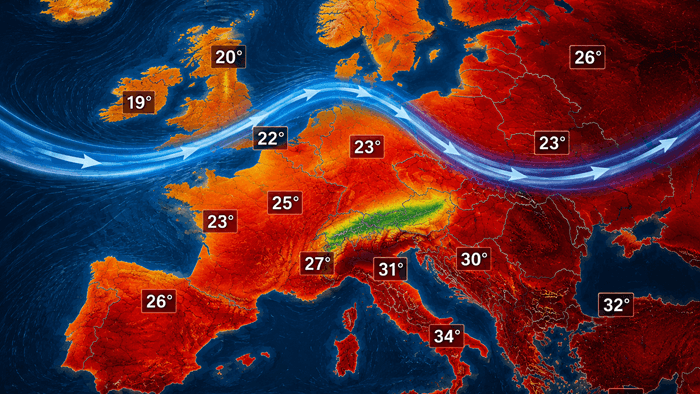
Expert climate science overview illustrating how unusually warm Pacific Ocean waters trigger El Niño events, alter atmospheric circulation patterns, shift global rainfall distribution, influence hurricane activity, and affect ecosystems and economies worldwide.
El Niño remains one of the most influential natural climate patterns on Earth because it demonstrates how deeply interconnected the global climate system truly is. What begins as an area of unusually warm water in the tropical Pacific Ocean can evolve into a planetary-scale event capable of altering rainfall patterns, shifting jet streams, influencing temperatures, modifying hurricane activity, disrupting fisheries, and affecting agriculture across multiple continents. Scientists continue to improve forecasting capabilities through satellite observations, ocean monitoring systems, climate modeling, and atmospheric analysis, allowing governments, industries, and communities to prepare more effectively for future events. Understanding El Niño not only helps explain many of the world’s most significant weather anomalies but also provides valuable insight into the complex interactions between oceans and the atmosphere that regulate Earth’s climate. As research advances, the study of El Niño continues to serve as a critical foundation for improving seasonal forecasting, disaster preparedness, environmental management, and long-term climate resilience planning worldwide.
메타데이터
- post_id
- 75aebb9a7cc0
- slug
- from-pacific-warm-waters-to-global-weather-chaos-the-atmospheric-chain-reaction-behind-el-niño-75aebb9a7cc0
- url
- https://medium.com/@statuslink/from-pacific-warm-waters-to-global-weather-chaos-the-atmospheric-chain-reaction-behind-el-ni%C3%B1o-75aebb9a7cc0
- canonical_url
- https://medium.com/@statuslink/from-pacific-warm-waters-to-global-weather-chaos-the-atmospheric-chain-reaction-behind-el-ni%C3%B1o-75aebb9a7cc0
- author_url
- https://medium.com/@statuslink
- status
- ok
- fetched_at
- 2026-06-29 22:44:20