What Are the Different Types of Septic Systems?
Septic systems play a critical role in managing wastewater for homes and businesses that are not connected to municipal sewer lines…
What Are the Different Types of Septic Systems?
Septic systems play a critical role in managing wastewater for homes and businesses that are not connected to municipal sewer lines. Because every property is different, the right system depends on factors like soil conditions, lot size, groundwater levels, climate, and long-term maintenance needs. Understanding the different types of septic systems can help property owners make smarter decisions and avoid costly issues down the road.
At All Septic & Sewer, we work with property owners to design, install, inspect, and maintain septic systems that match real-world site conditions and performance needs. Whether it’s a new installation or an upgrade to an existing system, choosing the right setup is key to long-term reliability.
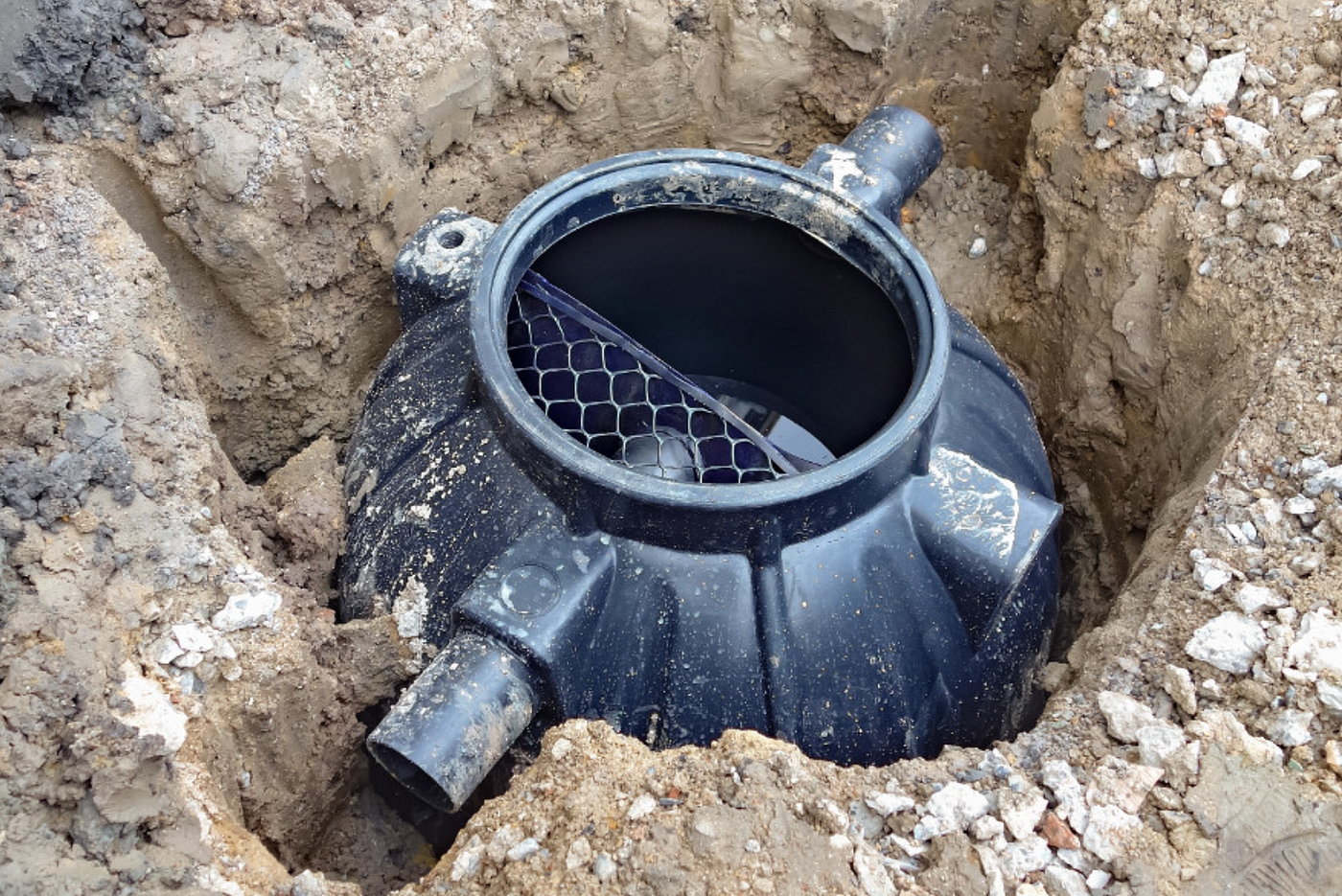
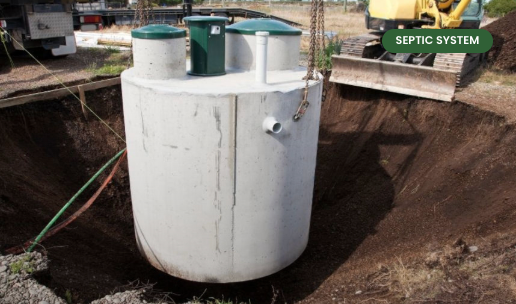
A septic system works by collecting wastewater from sinks, toilets, showers, and appliances. This wastewater flows into a septic tank, where solids settle at the bottom and oils rise to the top. The remaining liquid, called effluent, is then released into a drainfield or other treatment area. As it moves through soil or filtration media, harmful bacteria and contaminants are naturally reduced before the water is returned to the environment. This process only works efficiently when the system is properly designed and maintained.
One of the most common options is the conventional septic system. It typically consists of a septic tank and a gravel-based drainfield. These systems are most effective in areas with suitable soil and enough space for proper absorption. They are widely used due to their simplicity and relatively lower installation cost.
Chamber systems offer an alternative to gravel drainfields by using connected plastic chambers. These allow wastewater to flow more freely into the soil and are often used in areas with high groundwater or limited gravel availability.
For properties requiring a higher level of treatment, aerobic treatment units introduce oxygen into the tank to increase bacterial activity and break down waste more efficiently. These systems are commonly used near environmentally sensitive areas and require electricity and regular maintenance.
Drip distribution systems deliver wastewater slowly through a network of drip lines. This controlled release helps distribute effluent evenly, making them suitable for uneven terrain or shallow soil conditions. However, they require pumps and filtration systems that must be maintained regularly.
Sand filter systems add another layer of treatment by filtering wastewater through sand before it reaches the drainfield. This improves water quality and makes them effective in areas with poor soil conditions.
Mound systems are designed for challenging sites where soil is too shallow or unsuitable for traditional drainfields. These systems build an elevated mound of sand and soil to treat wastewater safely above ground level.
In some cases, constructed wetland systems are used to mimic natural filtration processes. These systems rely on wetland plants and microorganisms to help treat wastewater before it enters the drainfield.
Evapotranspiration systems are less common and work best in dry climates. Instead of soaking into the ground, wastewater is removed through evaporation and plant uptake.
Cluster systems serve multiple properties through a shared treatment and dispersal area, making them a practical option for rural developments or communities.
No matter the system type, routine maintenance is essential. Regular inspections, timely pumping, water conservation, and avoiding harmful materials like grease or wipes help prevent system failure and expensive repairs.
Choosing the right septic system requires professional evaluation of your property’s conditions and usage needs. At All Septic & Sewer, we help ensure every system is built for performance, safety, and long-term efficiency. Read the full blog here!
메타데이터
- post_id
- 75c16fdd2177
- slug
- what-are-the-different-types-of-septic-systems-75c16fdd2177
- url
- https://medium.com/@allseptic/what-are-the-different-types-of-septic-systems-75c16fdd2177
- canonical_url
- https://medium.com/@allseptic/what-are-the-different-types-of-septic-systems-75c16fdd2177
- author_url
- https://medium.com/@allseptic
- status
- ok
- fetched_at
- 2026-07-17 08:43:13