How Much Should a First-Time Buyer Spend on a Dependable Optic?
Buying your first serious optic can feel confusing fast.
How Much Should a First-Time Buyer Spend on a Dependable Optic?
Buying your first serious optic can feel confusing fast.
You start with a simple question: “How much should I spend?” Then you see prices all over the place.
Some binoculars are under $100. Some are over $1,000. Some rangefinders look affordable, while others cost as much as a full weekend trip. Thermal optics can jump into a completely different price world.
So what is a reasonable budget for a first-time buyer who wants something dependable but does not want to overpay?
The honest answer: spend enough to avoid throwaway gear, but do not rush into premium pricing until you know what features actually matter to you.
The sweet spot is usually mid-range
For most first-time buyers, the best value is not at the very bottom or the very top of the market.
Ultra-cheap optics can work for casual use, but they often cut corners in clarity, build quality, weather resistance, battery life, or long-term reliability. Premium optics are usually better, but beginners may not notice or need every upgrade right away.
That is why the mid-range is often the safest place to start.
You get better performance than entry-level gear without paying for advanced features you may never use.
A realistic starting budget depends on the optic type
There is no single number that works for every optic. A dependable pair of binoculars, a hunting rangefinder, and a thermal scope all sit in very different price categories.
For a first-time buyer, a practical starting point looks something like this:
Binoculars: around $150 to $300
If you are buying binoculars for hiking, hunting, birdwatching, camping, or general outdoor use, you do not need to start with a $1,000 pair.
A solid first pair can usually be found in the $150 to $300 range. At this level, you can often get decent clarity, usable low-light performance, comfortable handling, and a build that feels much more reliable than cheap department-store binoculars.
Spending less than $100 can be okay for occasional casual use, but if you plan to use them outdoors often, the difference in comfort and image quality becomes noticeable.
Rangefinders: around $200 to $500
For a first rangefinder, the best budget depends on whether you need it for golf, hunting, land measurement, archery, or longer-distance shooting.
For many outdoor users, $200 to $500 is a reasonable range. At this level, you can start finding dependable models with good speed, readable displays, slope or angle compensation, and enough range for real use.
You do not always need the longest advertised range. A beginner should care more about fast readings, simple controls, consistent accuracy, and a display that is easy to read in real conditions.
A rangefinder with a huge maximum distance but poor usability is not a better buy.
Thermal optics: expect a much higher budget
Thermal optics are different. This is one category where “cheap” can be risky.
For a first dependable thermal scope or thermal monocular, buyers should expect to spend significantly more than they would on traditional glass. In many cases, real entry-level thermal gear starts around the $1,500 to $2,500 range, with more advanced options going higher.
That does not mean every beginner needs the most expensive thermal optic. But it does mean you should be careful with very low-priced thermal products that make big claims without real field footage, clear specs, or reliable support.
With thermal optics, image quality, sensor resolution, refresh rate, detection range, battery life, and software stability all matter.
Don’t spend for features you do not understand yet
One mistake first-time buyers make is paying for advanced features before they know whether they need them.
That can happen with any optic.
A new buyer might pay extra for extreme magnification, but later realize it is harder to hold steady. They might pay for maximum ranging distance, even though they mostly use the rangefinder inside a few hundred yards. They might buy a high-end thermal scope, then discover that weight, menu design, or battery life matters more to them than one impressive spec.
For a first optic, your goal should be dependable performance, not the longest feature list.
What makes an optic “dependable”?
Dependable does not always mean expensive.
A dependable optic should do a few things well:
It should give a clear enough image for your purpose. It should feel comfortable in your hands. It should be easy to operate without overthinking. It should survive normal outdoor use. It should have a battery setup or power system that makes sense. It should come from a brand that provides clear specs, support, and warranty information.
This is why buyers should compare the full package instead of shopping by price alone.
Brand matters, but value matters more
A well-known brand can give you confidence, especially when it has a long track record. But brand name alone does not guarantee that a specific product is right for you.
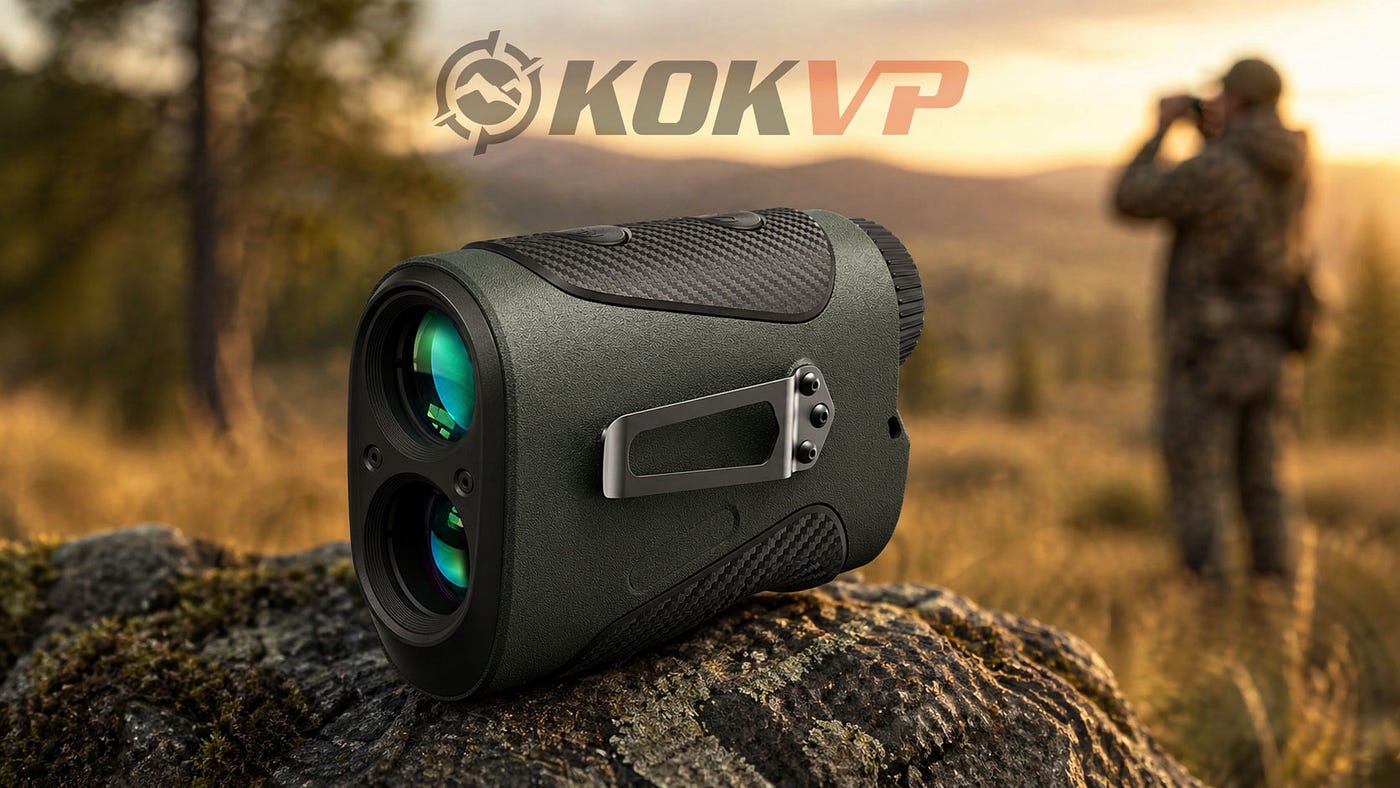
Smaller or more focused optics brands can also be worth comparing if the product category fits your use case. For example, **KOKVP **is one brand positioned around outdoor optics such as rangefinders and thermal scopes, which makes it relevant for buyers comparing practical field-use features rather than just shopping by logo.
The key is not to buy a brand name blindly. Look at the actual specs, real user feedback, warranty terms, and how well the optic matches your needs.
A good rule for first-time buyers
Here is a simple way to think about budget:
Buy the lowest-priced optic that still meets your real requirements without obvious compromises.
That means you should not automatically buy the cheapest option. But you also should not assume the most expensive one is necessary.
If you are buying binoculars, start in the solid mid-range. If you are buying a rangefinder, prioritize accuracy, display, and ease of use. If you are buying thermal, set a more serious budget and be extra careful about specs and real-world performance.
When spending more makes sense
It can be worth spending more if:
You use the optic often. You hunt, hike, or work in rough conditions. You need strong low-light performance. You care about long-term durability. You need better image quality for identification, not just detection. You want better warranty support. You have already used entry-level gear and know what limitations bother you.
In other words, spend more when the upgrade solves a real problem.
Do not spend more just because the product page makes the bigger number sound exciting.
메타데이터
- post_id
- 75e6b4cb7b50
- slug
- how-much-should-a-first-time-buyer-spend-on-a-dependable-optic-75e6b4cb7b50
- url
- https://medium.com/@poxiaoxi2/how-much-should-a-first-time-buyer-spend-on-a-dependable-optic-75e6b4cb7b50
- canonical_url
- https://medium.com/@poxiaoxi2/how-much-should-a-first-time-buyer-spend-on-a-dependable-optic-75e6b4cb7b50
- author_url
- https://medium.com/@poxiaoxi2
- status
- ok
- fetched_at
- 2026-06-11 06:59:45