Juneteenth: The delayed promise of freedom and why the history of June 19th of 1865 still shapes…
Juneteenth and its history go back to the late 1860s, when President Abraham Lincoln signed the final Emancipation Proclamation on January…
Juneteenth: The delayed promise of freedom and why the history of June 19th of 1865 still shapes America today.
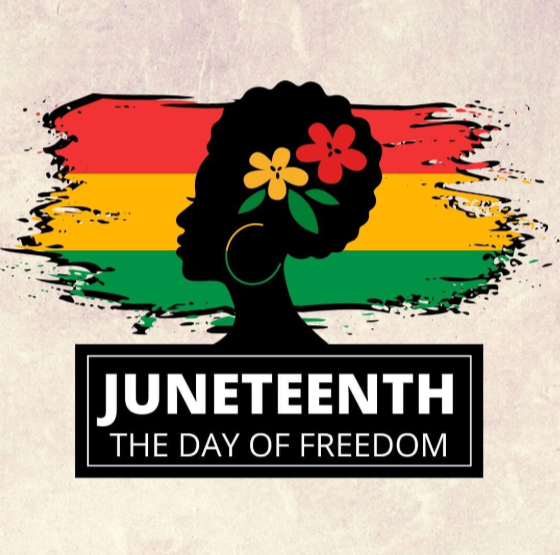
Image from lifewaynetwork.org.
Juneteenth and its history go back to the late 1860s, when President Abraham Lincoln signed the final Emancipation Proclamation on January 1st of 1863. He had previously addressed a preliminary proclamation a few months earlier on September 22nd of 1862, which warned the Confederate states that all enslaved people would be declared free if the rebellion did not end.
As Union troops advanced through the American South during the Civil War, enslavers from states like Louisiana, Mississippi, and Alabama forcibly moved over 150,000 enslaved people into Texas. Texas was the westernmost Confederate state and saw very little fighting or Union invasion. This lack of presence from the Union allowed slavery to continue thriving there long after it began collapsing elsewhere.
Meanwhile, states banned slavery, Texas was a holdout; enslaved people there were not freed until June 19th of 1865, two and a half years after the Emancipation Proclamation, leading to the recognition of Juneteenth.
The First Celebrations and Jubilee Day.
A year after Emancipation was proclaimed, freed slaves gathered in Texas to celebrate the first anniversary, originally called “Jubilee Day”. These events were vital community lifelines, featuring prayers, historical readings, barbecue, and choral music.
However, celebrating freedom was met with systemic resistance. As Jim Crow segregation laws took hold, Black communities were banned from using public parks for their gatherings. In response, Black Texans pooled their money to buy their own land. In 1872, local leaders raised $800 to purchase a plot of land in Houston, Texas, which they named Emancipation Park, creating a permanent sanctuary for joy and remembrance. These festivals and events also gave birth to important cultural symbols. Red foods and drinks, such as red velvet cake, strawberry soda, and hibiscus tea, became Juneteenth’s most iconic drinks. The color red symbolizes the blood shed by ancestors, as well as the profound spirit of resilience that carried them through generations of bondage.

A group, including Emancipation Park founder Jack Yates (far left), gathers for a Juneteenth celebration, Houston, c. 1880s. Britannica.
The road to Federal Recognition.
Juneteenth did not become a nationwide event overnight. For decades, it remained a distinctly Texas tradition. That changed with the Great Migration, when millions of Black Americans left the South, bringing Juneteenth traditions with them to major northern and western cities.
The Civil Rights Movement of the 1950s and 1960s sought governmental recognition of the holiday. In 1968, the Poor People’s March in Washington, D.C., held a major Juneteenth rally that introduced the holiday to a global audience. By 1980, Texas officially made Juneteenth a state holiday, the very first state to do so. Over the next forty years, activists like Opal Lee, the “Grandmother of Juneteenth”, campaigned tirelessly to bring the day to the national stage.
The culmination of this 150-year journey came in 2021. Following nationwide racial justice protests. Congress passed the Juneteenth National Independence Day Act with overwhelming bipartisan support. President Joe Biden signed it into law, establishing Juneteenth as the 11th U.S. federal holiday, making the celebration of freed slaves in Texas a nationwide federal holiday where African-Americans and Black people celebrate their freedom.
A message from me to those who celebrate Juneteenth.
Coming from a Dominican with African ancestry, I hope everyone who is celebrating Juneteenth today has a wonderful day, not just grilling meat outside and making good food with your family. But to remember and be grateful for how many Black people fought in the battle to make Juneteenth a federal holiday. Take this day as a way to reflect on Emancipation, and what it means for you to have rights. Anyway, I hope you have a very meaningful and good Juneteenth.
Go follow me in all my socials, and support my organization, THE INOA PROJECT, on Instagram:
📸Youtube: @academicstarr
🎞️THE INOA PROJECT: @theinoaproject on Instagram
메타데이터
- post_id
- 75ff31d17f8c
- slug
- juneteenth-the-delayed-promise-of-freedom-and-why-the-history-of-june-19th-of-1865-still-shapes-75ff31d17f8c
- url
- https://medium.com/@academicstarr/juneteenth-the-delayed-promise-of-freedom-and-why-the-history-of-june-19th-of-1865-still-shapes-75ff31d17f8c
- canonical_url
- https://medium.com/@academicstarr/juneteenth-the-delayed-promise-of-freedom-and-why-the-history-of-june-19th-of-1865-still-shapes-75ff31d17f8c
- author_url
- https://medium.com/@academicstarr
- status
- ok
- fetched_at
- 2026-06-20 20:29:01