Web Design Best Practices That Turn Visitors Into Customers
A website can win or lose trust in seconds. People decide very fast if they want to stay or leave. This is why design choices matter more…
Web Design Best Practices That Turn Visitors Into Customers
A website can win or lose trust in seconds. People decide very fast if they want to stay or leave. This is why design choices matter more than people think. It is not about looking fancy. It is about making things easy.

In this short case-style guide, we share what actually works. These lessons come from real projects, not theory. We focus on clarity, comfort, and action. That is the core of **Web design best practices**.
Why Web Design Best Practices Matter
Many websites fail even though they look good. The reason is simple. They forget how users think.
When a website feels simple, users feel safe. They understand where to click and what to do next. This is where Web design best practices play a big role. They reduce confusion and build trust without effort.
Case Snapshot: What Was Going Wrong
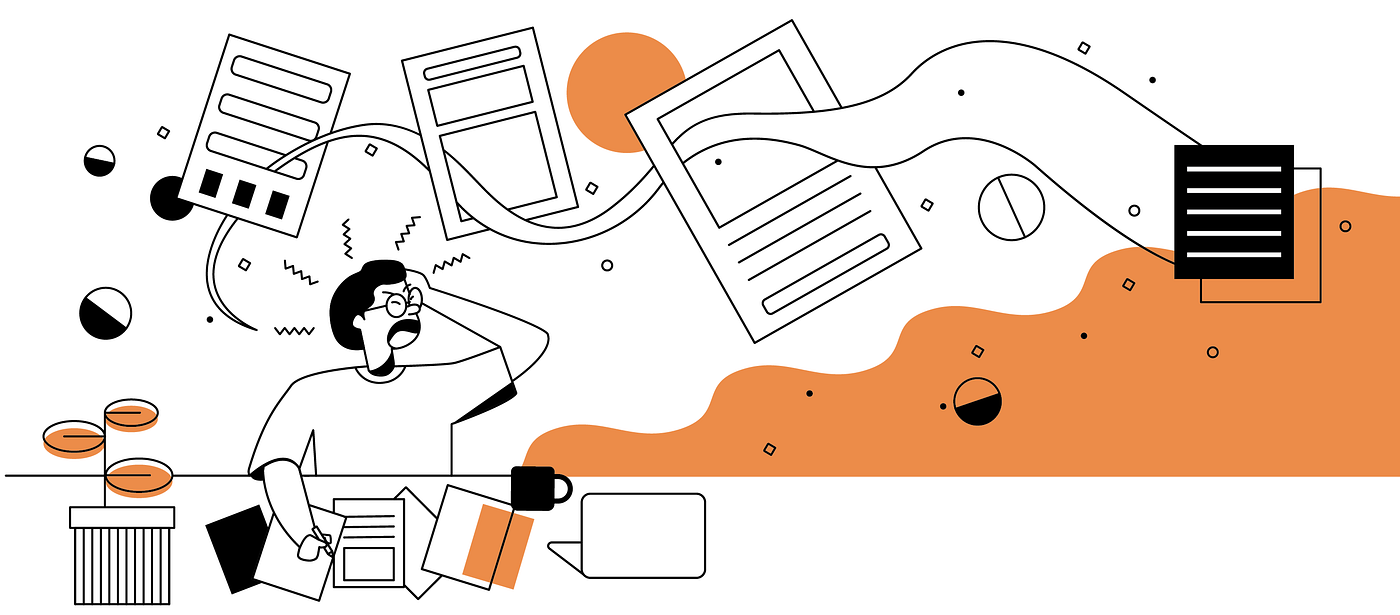
In one project, visitors were leaving too fast. The website had too much information on one screen. Users felt lost and overwhelmed.
The content was good, but the layout was not helping. Important sections were hard to notice. Calls to action were not clear. This caused low engagement and weak conversions.
Fix 1: Clear Layout and Visual Order
The first step was simplifying the layout. We reduced clutter and added more space. Headings became clearer and easier to scan.
Users could now see what mattered most. Their eyes moved naturally across the page. This simple change improved the time spent on the site. Clear layout is a key part of Web design best practices.
Fix 2: Easy Navigation Without Thinking
Navigation should feel natural. Users should not stop to think about where to go.
We simplified the menu and grouped pages better. Labels became clear and familiar. After this change, users explored more pages. Good navigation quietly improves the whole experience.
Fix 3: Mobile-First Experience
Most visitors were coming from mobile devices. But the website was designed for desktop first. This caused problems on small screens.
We redesigned with mobile in mind. Buttons became easier to tap. Content felt focused and clean. Mobile users stayed longer and interacted more.
Fix 4: Speed and Performance
The website was slow before. Large images were the main issue. Pages took too long to load.
We optimized images and removed unused files. The site became faster and smoother. Users noticed the difference immediately. Speed is trust in digital form.
Fix 5: One Clear Action Per Page
Earlier, users did not know what to do next. Too many actions created confusion.
We added one clear call to action per page. Simple words and strong contrast helped a lot. Users started clicking with confidence. This small change increased conversions clearly.
What This Case Taught Us
Good websites are not complex. They are calm, clear, and helpful.
They respect the user’s time. They guide without pushing. They remove friction instead of adding it. That is the real value of Web design best practices.
Final Thoughts
A strong website is built with intention. Not guesswork. Not trends.
When design focuses on real users, results follow naturally. You do not need to apply everything at once. Start simple and improve step by step. That is how visitors turn into real customers.
메타데이터
- post_id
- 7607bf5f4e15
- slug
- web-design-best-practices-that-turn-visitors-into-customers-7607bf5f4e15
- url
- https://medium.com/@designmonks/web-design-best-practices-that-turn-visitors-into-customers-7607bf5f4e15
- canonical_url
- https://medium.com/@designmonks/web-design-best-practices-that-turn-visitors-into-customers-7607bf5f4e15
- author_url
- https://medium.com/@designmonks
- status
- ok
- fetched_at
- 2026-07-15 16:53:31