Inside the Flamingo Revolution
Following the protests in Albania
TRAVEL
Inside the Flamingo Revolution
Following the protests in Albania
All photos by the author
Tirana is hot. On a whim, I had taken a bus from Prishtina, nodding in and out of consciousness as granite towers entered and exited the frame of the window as we cut through the rugged borderlands. I had been encouraged by the growing momentum of the movement now known as The Flamingo Revolution, which I had been following for several days through my friends' social channels in the Albanian capital, and I wanted to attend the protests in person.
For those not familiar with the protests and the development they oppose, Algert Dobra lays out the full situation in this article for Kosovo 2.0. Two of the central questions hinge on, firstly, the economic impact of a proposed luxury resort in this developing country, as case studies of comparable nature have shown that economic gain largely flows out of the country in question, and secondly, the dubious legality of PM Edi Rama’s move to sell protected public lands to shadowy multinational developers, as Albania to this day struggles heavily with corruption and transparency.
The project is seen as a grave threat not only toward one of Europe’s last wild river deltas and the dozens of species that call it home, but also to the people of Albania, who face watching as their inheritance is sold off to foreign billionaires without having any say in the matter.
The specific lands in question are the beaches around the islet of Zvërnec, which shields the protected Vjosa Nartë delta and lagoon from the Adriatic Sea, as well as Sazan Island, which lies just off the coast.
I sit around waiting; mid-afternoon in the capital’s center square is quiet and peaceful. Scrolling Instagram for a moment, I realize that Thomas Krempke, a Swiss filmmaker and photographer, may also be in Tirana. I message him, and he responds immediately, and we arrange a meeting in thirty minutes at a cafe outside the national opera.
I had first met Thomas in May in Prishtina, when he was giving a talk about his long-term documentary project in Albania. I bought his photo-book-diary that day, which I still flip through each morning as a source of inspiration.
We catch up over cocktails and bottled water at the elegant Cafe Botanica, and I learn that he is spending a week or so in Albania after almost constant traveling since our last meeting. He plans to head south and document the situation at the source of the protests — the bulldozing of sand dunes and the laying of gravel roads in the protected areas to begin the ground-breaking for a $4 billion luxury resort development that is drawing huge backlash from the public and international community.
Thomas’ friend from one of the embassies in Tirana had told him that these protests were the single greatest development in Albania since the fall of communism in 1991. And if the Albanians can throw off the mantle of corruption and multinational billionaire influence, who’s to say that the Americans can’t reject our own oligarchic tyranny as well?
The protest is soon to start. We pay up, and find a crowd of a few hundred has gathered in the main square, Sheshi Skenderbeg, and fronted by a wide banner held by what appear to be a group of students, it moves off towards the prime minister’s office. I lose Thomas in the pressing mass of bodies.

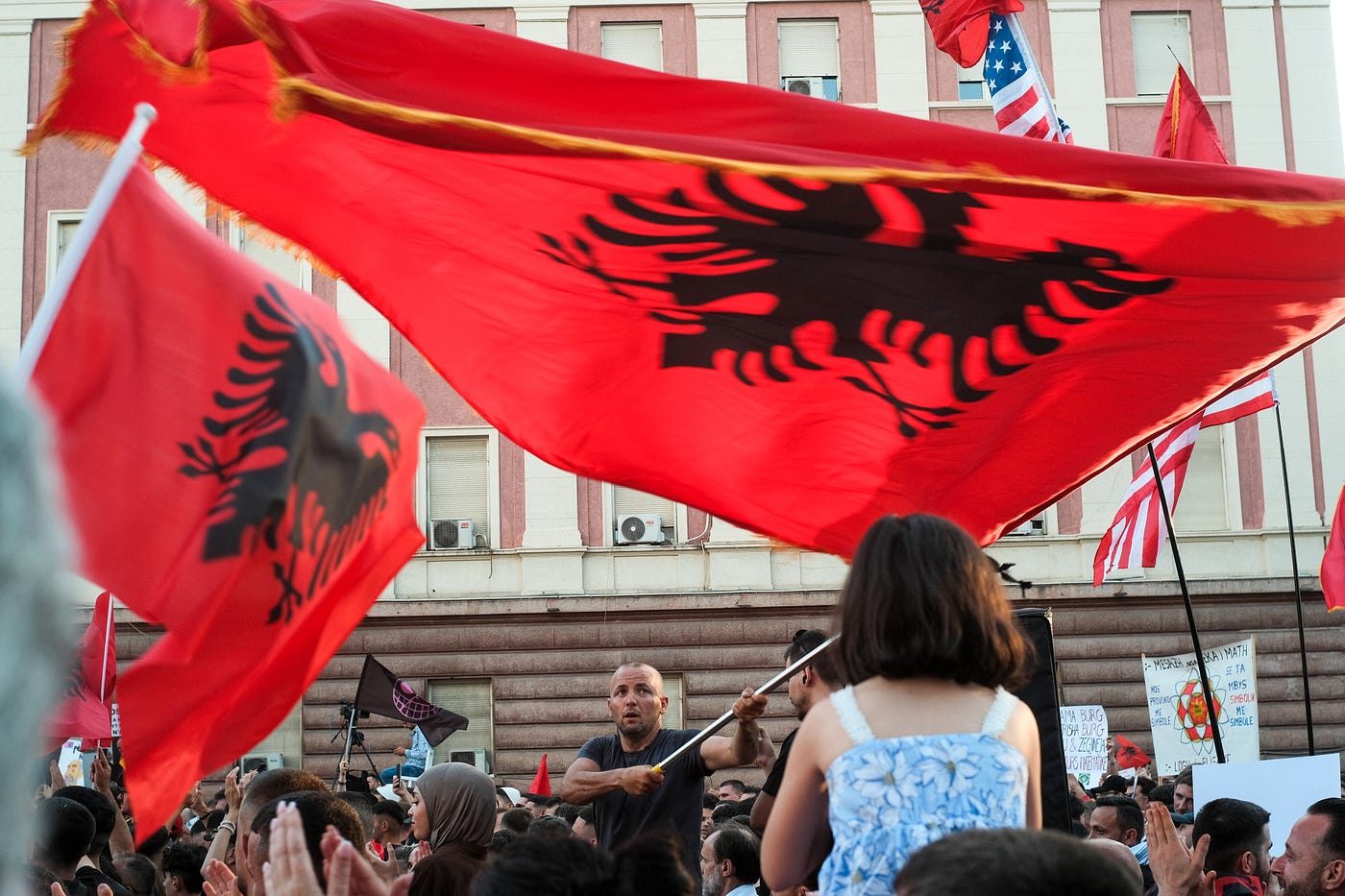
Protesters are wearing Albanian flags draped around their shoulders, while others wave larger versions. Many wear the plis, the Albanian national headwear, and even more protesters carry signs with clever slogans, memes, and images of Rama in unflattering poses and expressions. A week or so earlier, the office of the Special Prosecutor had opened an investigation into the agreements and frozen funds of the investors, who are linked to Jared Kushner.

The crowd swells as it draws more participants along its way. Now I am in the thick of it, and can’t see where the boundaries of the mob lie.
The same chants reverberate, which I am told call for the imprisonment of Rama and former prime minister/opposition leader Berisha.
Large banners read “Albania is not for sale.”
Whistles are blowing, drones whiz overhead, and the shouting by the crowd is deafening.
In front of the prime minister’s office, the protesters halt as microphones are set up for speakers to rally the crowd.
TV vans are everywhere, with camera crews stationed on their roofs, aiming their cameras toward the crowd like gun emplacements on military transports.

As night descends, the crowd has still not stopped growing. The streets are a swarm of thousands in solidarity, with calls to action rising in almost one voice of strength and unity.
I see my Kosovar friend Agon in the street gathering footage for a documentary. And I reunite with Thomas, whose glasses rest on his forehead as he leans forward, gazing into his camera viewfinder to snap pictures.
I am exhausted in the throng of people, and move out to catch my breath and recover near the steps of the Tirana pyramid, which was initially intended to be the mausoleum of former dictator Enver Hoxha. Though now it is full of cafes and startup spaces, and many figures can be seen climbing the slope to the top to take in a bird’s-eye view of the protests, I assume.

One of the funniest protest signs poked fun at Rama’s claims that these protests were caused by foreign influence to disrupt Albania’s development: he accused Greece, and later Iran, and so a man was carrying a sign with the logo of the small pizza kiosk near the square, which was no doubt making bank off of the protests. The sign argued that none other than Laguna Pizza is the mastermind behind the protests, which is especially funny given the coincidence that Zvërnec itself is a lagoon. And sure enough, there is a massive line at the unassuming little pizza and gelato kiosk across the street.

Protesters carried large styrofoam flamingo cutouts through the crowd, marching to the beat of a drum. Street artists are making their way around the city with flamingo-shaped stencils and cans of pink spray paint, to leave behind striking images of the animal that has inspired the name “Flamingo Revolution.”
Nearing 10 pm, the protests show no signs of letting up. Men have climbed the statue of Skenderbeg in the square and are letting off flares and waving the Albanian flag to the cheers of the crowd below. Around 12, I take leave of Thomas to try and find a hotel to crash at the last minute.
I wake up in the shitty, overpriced boutique hotel I had found and head into the city to find swimwear for a spontaneous road trip to the south that Thomas invited me on. I had been planning on just heading back to Prishtina, but the idea of driving by car to the very locations that Albanians are defending seemed promising. I had no plan coming down here, but Thomas had a rental car, and so I hopped in, and he drove us in the aggressive, Albanian-motorist style down towards the epicenter of the Flamingo Revolution.
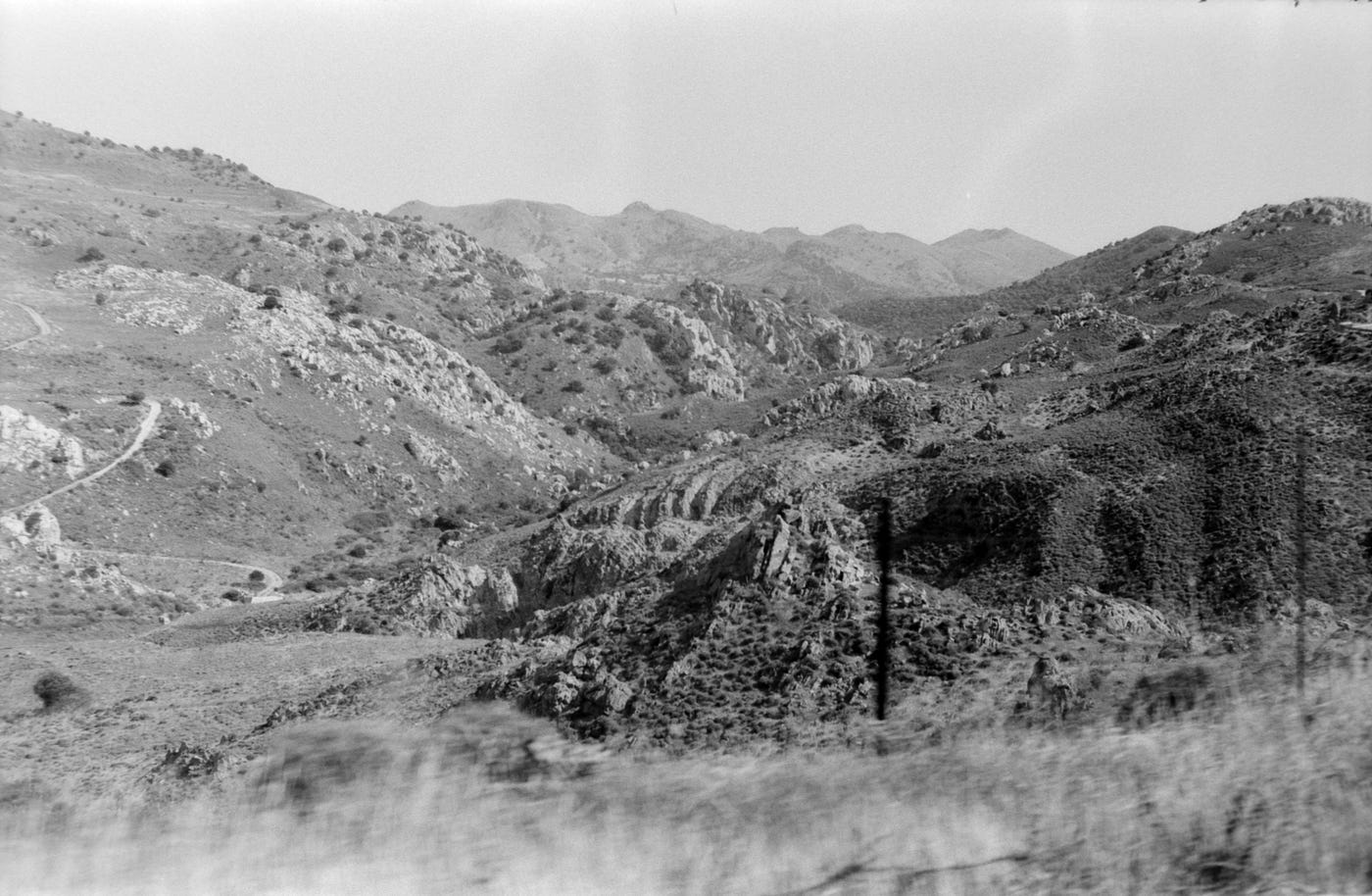
The landscape changes gradually from mountainside urban capital to rolling hills of olive groves dotted with lakes. Men in the villages drive donkey-drawn carts, and a solitary peak stands on the far horizon, shrouded in cloud. We soon reconnect to the major motorway to head towards Zvërnec, to specific locations recommended by Thomas’ friends that would be good for seeing the wild bird species native to the area.

We turn aside towards Zvërnec to follow a rough gravel road bordered on one side by a saltworks, and on the other an inlet from the sea that feeds it with saltwater.
There is a smell of decaying life, and Thomas dodges potholes as we roll roughly onward to the outer edge of the Vjosa river delta, catching glimpses of herons and pelicans foraging in the canals of the saltworks, and in the far distance, see what just might be a herd of flamingos.

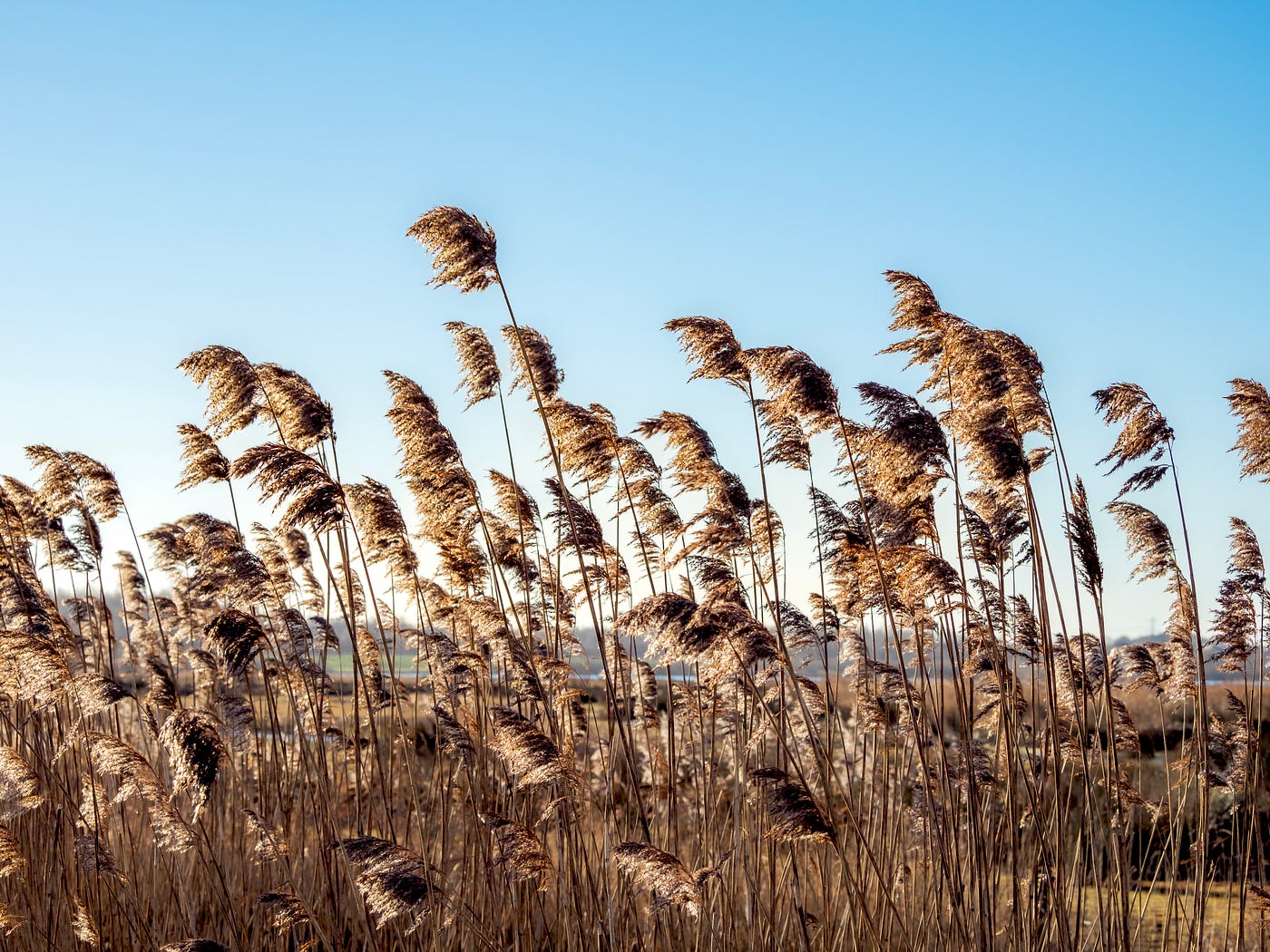
The landscape is unlike anything I’ve seen in Albania over my prior visits. Swamplands are full of chirping crickets and birds and swaying tall grasses. The roads are shitty, and we almost get stuck in the sand as we navigate to a beach from which we can see Sazan Island in the distance: the island that Kushner and Trump want to purchase and develop into a massive luxury resort.
One of my favorite signs from the protest was rebuking Ivanka T’s claim that she and Jared K walked barefoot on Sazan Island upon their earlier visit. It was Boromir from the Council of Elrond scene in LotR, captioned as saying, “One does not simply… Walk barefoot on Sazan Island.”
The far beach is windswept and intolerable. The few umbrellas and empty beach stairs still standing look as if they are about to take flight. Thomas and I take a few pictures of some abandoned shacks and head to the restaurant for a beer and fries.
As I am witnessing all of this, I wonder if I am privy to something in its final stage, before it is transformed unrecognizably forever onward. Or if protesters will prevail and leave these lands unscathed. Though one only has to look a bit to the north to realize that Serbia’s students have protested for nearly two years without tangible impact on their own government.
Eventually, we backtrack and drive past a new airport that is going up on the periphery of the protected area. I can’t help but think that the last thing that this paradise of birds needs is the noise and presence of modern aircraft, the things humans made to supplant the naturally born flyers.

This periphery of the lagoon is vastly underdeveloped. We see derelict factories from the Communist era, structures that look (and smell) to be abandoned hog confinement shelters that remind me of Iowa, and desperate-looking villages, rusting farm equipment, and half-built farm houses that look haunted. We roll past a restaurant that has its original logo spray-painted over, bearing a new sign that says, regrettably, Ivanka Seafood.

Thomas is a bit disappointed we haven’t seen flamingoes up close yet. And I remark on how incredibly difficult wildlife and bird photography is in itself. We admit that neither of us is equipped enough for such a pursuit, but we remain hopeful.
Now, on the other side of Zvërnec, we navigate to a lonely pin dropped on Thomas’ map, where developers had recently started building a road. In the middle of the wilderness, we stumble upon this rough new road of white rock, still not fully broken in. Without hesitation, Thomas sets us on this winding path, determined to see where it ends. For two kilometers, we lurch and bump along this road through the wild, eventually passing a cowherd and his flock out foraging before coming to a dead end on a once-pristine stretch of coastline.
Sand dunes here have obviously been bulldozed into walls that tower up on either side of tracks left by machinery, and exiting the car, we walk down to the beach and look across to Sazan Island once again.
The sun is setting in the far Adriatic, and it feels strange to be in a place so remote yet so embattled and in the middle of things.
The protesters in Tirana will be gathering right now to oppose the development of the very land where we stand. Parents will be hoisting their children on their shoulders: the emerging generation that I hope will be the catalyst for social change to set our world spinning in a new direction. And while we leave now to find lodging for the night, I choose to believe that this moment is some sort of turning point.

A few days after parting ways with Thomas, I received a message from him with some images. He found his flamingoes, after all. And as I write, the protests are on their 26th day, and still going strong.
메타데이터
- post_id
- 7631bbbbf416
- slug
- inside-the-flamingo-revolution-7631bbbbf416
- url
- https://medium.com/globetrotters/inside-the-flamingo-revolution-7631bbbbf416
- canonical_url
- https://medium.com/globetrotters/inside-the-flamingo-revolution-7631bbbbf416
- author_url
- https://medium.com/@mearcstapa
- status
- ok
- fetched_at
- 2026-06-27 07:40:21