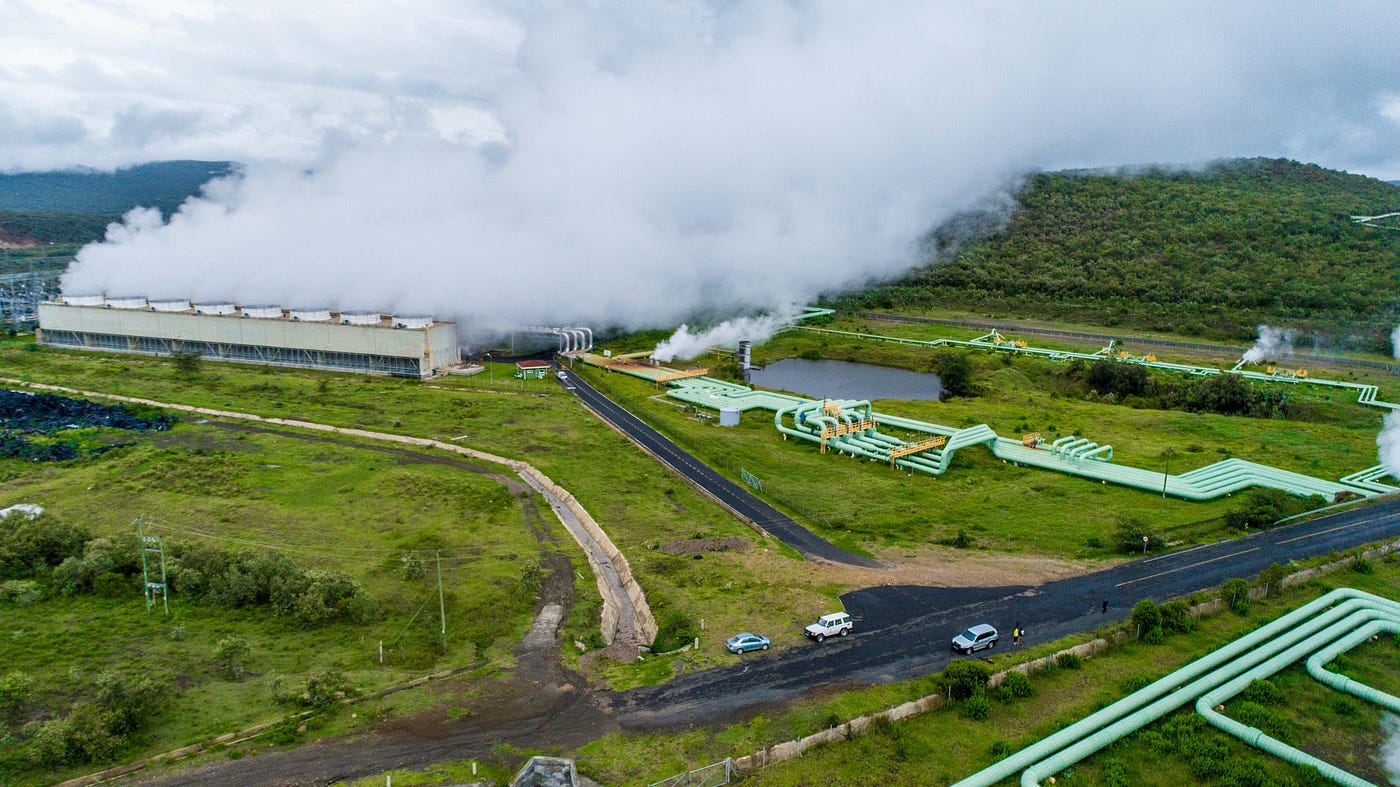
Amine purification — a key unit at oil refineries
Amine purification is the main technology for purifying hydrocarbon gases at oil refineries. Acidic impurities (H₂S, CO₂, mercaptans, etc.)…
Amine purification — a key unit at oil refineries
Amine purification is the main technology for purifying hydrocarbon gases at oil refineries. Acidic impurities (H₂S, CO₂, mercaptans, etc.) must be removed from the gas used in oil refinery processes, as they cause equipment corrosion and impair product quality. Technological and environmental requirements for industrial enterprises make it mandatory to have an amine purification unit at oil refineries. The unit allows acidic gases with a high H₂S content to be purified into commercial gases with a low H₂S content. Residual sour gases sent to the flare are also treated by amine purification. That is why amine units with solution regeneration are the most common at refineries. The method is based on chemical absorption: amines selectively react with H₂S and CO₂, forming unstable compounds that decompose when heated, releasing purified gases.
How the unit works
A typical amine purification unit includes an absorber column, a desorber column (regenerator), a separator, heat exchangers, heaters, and circulation pumps. Raw gas enters the absorber, where it comes into contact with a mixture of fresh and regenerated amine. During this contact, acidic gases (H₂S, CO₂, etc.) are absorbed by the amine solution, and the purified gas is discharged from the top of the column. Next, the saturated amine solution is separated from the carried-over liquid in a separator and sent to a regenerator (desorber). In the regenerator, the solution is heated (usually in a steam boiler-reboiler) to a high temperature, causing the absorbed acidic gases to separate from the amine. The separated H₂S/CO₂ is sent for disposal (e.g., incineration or sulfuric acid production), and the regenerated (“lean”) amine is returned through a heat exchanger to the absorber for reuse.
The main stages of the amine purification process are as follows:
- Absorption: Raw gas is fed into the lower part of the absorber, where it comes into contact with a cold (most of the absorbent is returned cooled) amine solution. The acidic components of the gas are strongly bound by the amine liquid, and the purified gas exits from the top of the column.
- Regeneration: After separation, the amine-saturated solution enters the desorber. When heated in the reboiler and the pressure is reduced, the accumulated H₂S and CO₂ “boil off” from the solution and transition to the gas phase.
- Recirculation: After the separation of acid gases, the regenerated amine solution is cooled and returned to the absorber via pumps. This maintains a continuous cycle of absorbent circulation.
- Acid gas utilization: The gas separated in the regenerator (a mixture of H₂S/CO₂) is sent for purification/utilization. In industrial plants, hydrogen sulfide is usually sent to a sulfur production plant (Clause plant) or burned in a flare system, while CO₂ is either utilized or discharged in accordance with MPC standards.
Types of amine compounds
Aqueous solutions of various amino alcohols are used as absorbents. In practice, the most common ones are used: monoethanolamine (MEA), diethanolamine (DEA), methyldiethanolamine (MDEA), and others. For example, typical concentrations of working solutions are as follows:
- Monoethanolamine (MEA): 20% for H₂S and CO₂ removal, 32% for CO₂ preferential absorption.
- Diethanolamine (DEA): ~20–25% for effective absorption of both H₂S and CO₂.
- Methyldiethanolamine (MDEA): 30–55% for selective removal of H₂S against CO₂ (often with the addition of a piperazine activator).
- Diglycolamine (DGA): ~50% for absorption of H₂S/CO₂ and “light” mercaptans.
The choice of amine type and concentration depends on the gas composition and product purity requirements. Weak amines (DEA, MDEA) bind H₂S more selectively, while strong amines (MEA) capture CO₂ better.
Advantages and disadvantages
Advantages of amine purification: the technology is well-established and reliable. The units provide fine and selective gas purification: the degree of H₂S/CO₂ removal can reach 99% and above. At the same time, the process can operate effectively over a wide range of pressures and flow rates, and the unit is relatively simple to maintain. Aqueous amine solutions have favorable thermophysical properties, low toxicity, and high reactivity to “acidic” components.
Disadvantages: the main disadvantage is the high energy consumption for solution regeneration (for heating in the reboiler). The process is sensitive to the presence of heavy hydrocarbons — with a high content of C₆+ or mercaptans, the purification efficiency decreases. In addition, by-products are formed: gas must be dried before the absorber and the separated CO₂/H₂S must be disposed of. The absorbents themselves and their reaction products can be aggressive to metals, so there are requirements for the corrosion resistance of the equipment. Over time, amine solutions “age”: salts and other inevitable impurities accumulate, requiring periodic cleaning or disposal.
Despite these limitations, amine purification remains the most versatile and widespread method of treating feedstock and by-product gases at refineries. Integrating amine units with other technologies (such as membrane or adsorption purification) can reduce energy consumption and increase purification efficiency for complex gas compositions.
Conclusion
Amines purification allows obtaining “clean” process gas, which reduces the corrosion load on equipment and complies with environmental standards. This type of unit ensures safe operation of refineries and improves product quality (fuel gas, raw materials for chemical plants). Thanks to their high reliability and flexibility, amine plants have been widely used in the oil and gas industry for more than half a century. The task of optimizing energy consumption and minimizing waste during amine regeneration remains relevant and is the subject of modern engineering research and development.
**Follow RTsim on LinkedIn to stay updated on company news and be the first to discover our latest industry articles.**
If you want to move from theory to practice, explore RTsim’s digital training environment and see how oil and gas processes behave in realistic operating scenarios. Visit our website to learn more and try the simulator
메타데이터
- post_id
- 76847844a554
- slug
- amine-purification-a-key-unit-at-oil-refineries-76847844a554
- url
- https://medium.com/@ahz88639/amine-purification-a-key-unit-at-oil-refineries-76847844a554
- canonical_url
- https://medium.com/@ahz88639/amine-purification-a-key-unit-at-oil-refineries-76847844a554
- author_url
- https://medium.com/@ahz88639
- status
- ok
- fetched_at
- 2026-09-01 22:37:57