“PET-eating Enzymes: The Game-Changers in Plastic Waste Management”
Introduction to Enzymatic Recycling of PET Enzymatic recycling, particularly of polyethylene terephthalate (PET), represents a…
“PET-eating Enzymes: The Game-Changers in Plastic Waste Management”
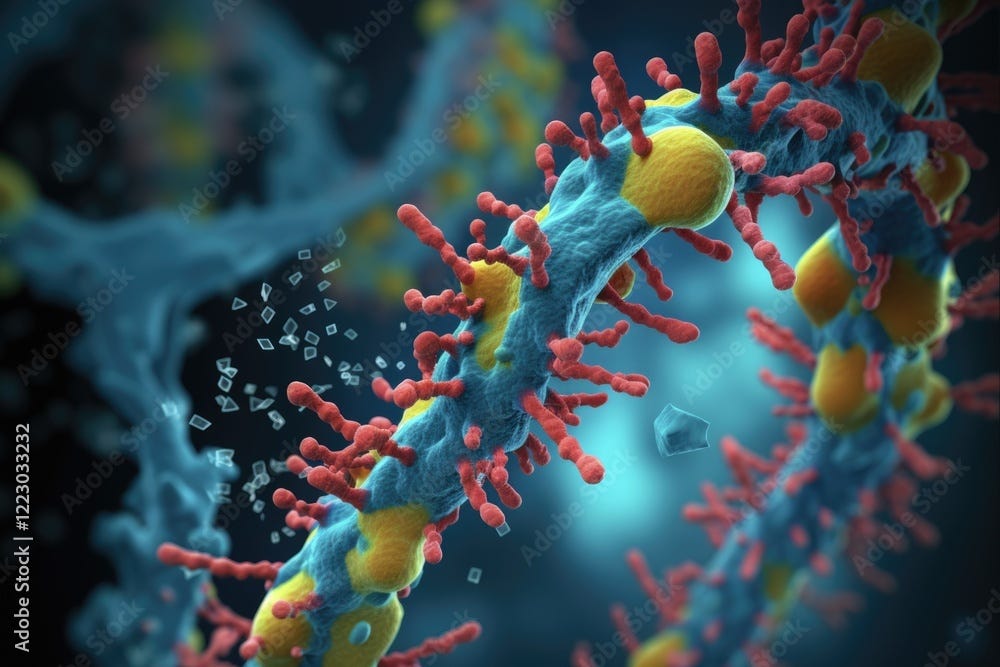
Introduction to Enzymatic Recycling of PET Enzymatic recycling, particularly of polyethylene terephthalate (PET), represents a groundbreaking approach to managing plastic waste. PET, commonly used in plastic bottles and packaging, is notoriously difficult to degrade naturally, taking centuries to decompose. However, recent advancements in enzyme technology have made it possible to break down PET efficiently, offering a promising solution for closing the loop on plastic waste.
Key Enzymes in PET Recycling Several enzymes have been identified and engineered for PET degradation: • PHL7: Discovered in a compost heap in Leipzig, this enzyme can degrade PET by 90% in just 16 hours, significantly outperforming previous benchmarks like LCC. • FAST-PETase: Developed using machine learning, this enzyme variant can break down PET into monomers in as little as 24 hours and can also repolymerize them into new materials. • PETase and MHETase Cocktail: By combining these enzymes, scientists have created a “cocktail” that can break down PET up to six times faster than previous methods.
Advantages of Enzymatic Recycling Enzymatic recycling offers several advantages over traditional methods: • Energy Efficiency: Enzymes require lower temperatures (around 50–70°C) and less energy compared to thermal recycling processes. • Closed-Loop Recycling: Enzymes can break PET down into its monomers (terephthalic acid and ethylene glycol), which can be reused to produce new PET, creating a closed-loop system. • Environmental Benefits: This approach reduces pollution by avoiding the burning of plastics and minimizes waste by reusing materials at the molecular level.
Challenges and Future Directions While enzymatic recycling holds great promise, there are challenges to overcome: • Scalability: Currently, most enzymatic recycling processes are in the experimental or pilot stages. Scaling up these processes to industrial levels is crucial for widespread adoption. • Material Limitations: Enzymes primarily work on amorphous PET, which is less common than crystalline PET used in bottles. Developing enzymes that can efficiently degrade crystalline PET is a key area of research.
Conclusion Enzymatic recycling of PET is a rapidly evolving field that offers a sustainable solution to the global plastic waste crisis. By leveraging enzymes like PHL7, FAST-PETase, and enzyme cocktails, it is possible to transform plastic bottles into an infinite feedstock, closing the loop on waste and promoting a more circular economy. As technology advances and industrial applications become more feasible, enzymatic recycling could play a pivotal role in reducing plastic pollution and enhancing environmental sustainability.
메타데이터
- post_id
- 76a6dbae648f
- slug
- pet-eating-enzymes-the-game-changers-in-plastic-waste-management-76a6dbae648f
- url
- https://medium.com/@iamrutzk/pet-eating-enzymes-the-game-changers-in-plastic-waste-management-76a6dbae648f
- canonical_url
- https://medium.com/@iamrutzk/pet-eating-enzymes-the-game-changers-in-plastic-waste-management-76a6dbae648f
- author_url
- https://medium.com/@iamrutzk
- status
- ok
- fetched_at
- 2026-06-21 07:44:09