How to Design Outdoor Living Spaces
Outdoor living spaces have become one of the most valuable ways to enhance a home. A well-designed backyard is no longer just an open yard…
How to Design Outdoor Living Spaces
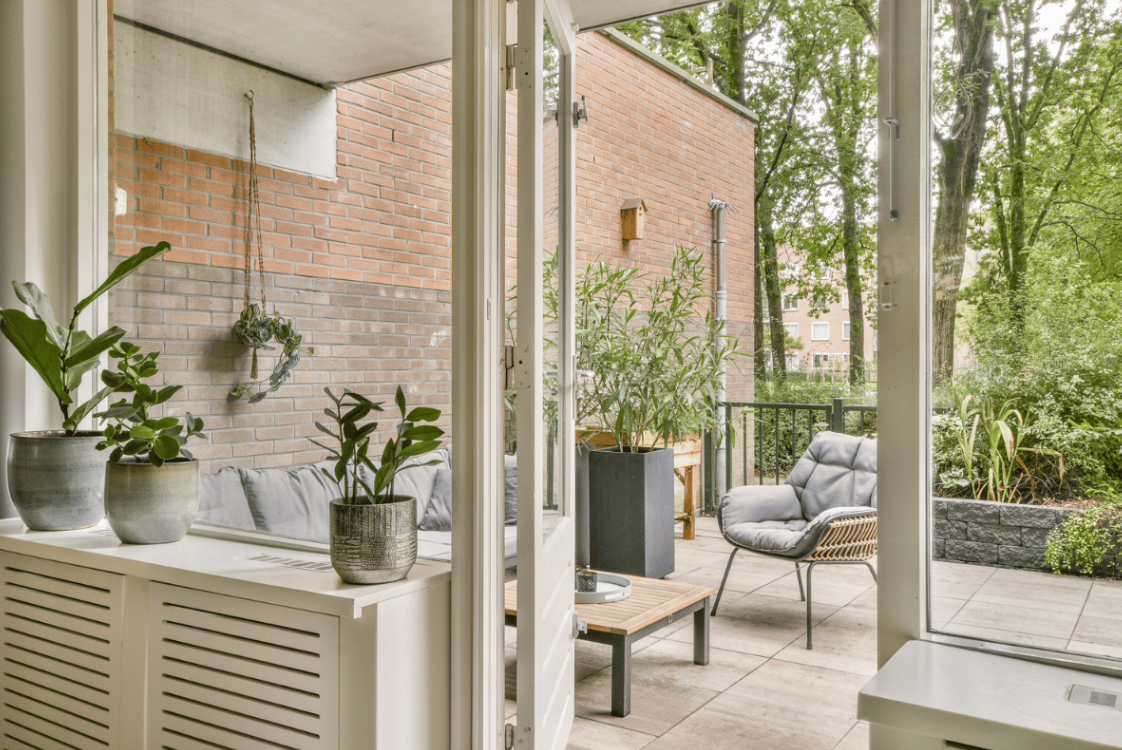
Outdoor living spaces have become one of the most valuable ways to enhance a home. A well-designed backyard is no longer just an open yard — it’s an extension of your living space. With the right layout, materials, and features, you can create an outdoor area that supports relaxing, entertaining, and everyday living.
At Northwest Decks, outdoor design is about more than building a deck. It’s about creating a functional, durable space that fits your lifestyle and performs well in Washington’s weather conditions.
Here’s how to design an outdoor living space that actually works long-term.
Start with Purpose
Before choosing materials or layouts, define how you plan to use the space. This step guides every decision that follows.
Common goals include:
- Entertaining guests
- Family gatherings
- Outdoor dining
- Relaxation and quiet retreats
- Expanding usable living space
A space designed for hosting will look very different from one meant for privacy and relaxation. Clear intent leads to better design.
Build a Smart Layout
Layout is the foundation of any outdoor living space. A good design feels natural, balanced, and easy to move through.
Key factors include:
- Yard size and shape
- Sun and shade patterns
- Access points from the home
- Traffic flow
- Privacy needs
Multi-level decks can help define separate zones, while smaller yards benefit from compact, efficient layouts that maximize usable space.
Choose Durable Materials
Outdoor environments are tough on structures. Rain, UV exposure, and temperature changes all impact performance — especially in Washington.
Popular options include:
- Composite decking for low maintenance and durability
- Natural wood for a classic, warm look
- Aluminum railings for strength and corrosion resistance
- Stone or concrete for patios and hardscape features
Material choice affects not just appearance, but long-term maintenance and cost.
Create Functional Zones
Dividing your outdoor space into zones makes it more usable and organized.
Examples include:
- Dining areas
- Lounge seating spaces
- Cooking or grilling stations
- Fire pit gathering areas
- Garden or landscape zones
Even small spaces can feel larger when they are visually and functionally separated.
Focus on Comfort and Lighting
Comfort determines how often you actually use your outdoor space.
Important elements include:
- Weather-resistant seating
- Built-in benches or deck seating
- Shade structures like pergolas
- Layered lighting for safety and ambiance
Lighting is especially important. A mix of stair lights, post lights, and soft ambient fixtures improves both safety and atmosphere.
Add Features That Match Your Lifestyle
The best outdoor spaces reflect how you live.
Popular upgrades include:
- Outdoor kitchens
- Fire pits and fireplaces
- Covered patios
- Privacy screens
- Water features
These additions turn a simple deck into a true outdoor living environment.
Prioritize Safety and Structure
Safety is a core part of design — not an afterthought.
Key considerations include:
- Code-compliant railings
- Stable stair construction
- Slip-resistant materials
- Proper structural framing
- Good visibility and lighting
Professional installation ensures everything is built correctly and safely from the start.
Blend with Your Home’s Design
A great outdoor space should feel like it belongs to the home.
You can achieve this by:
- Matching exterior colors and finishes
- Using complementary railing styles
- Repeating materials or textures
- Aligning landscaping with architecture
This creates a seamless indoor-outdoor connection.
Final Thought
A well-designed outdoor living space adds comfort, function, and long-term value to your home. With the right planning and construction approach, your backyard can become one of the most used and enjoyed parts of your property.
Working with an experienced deck contractor Tacoma ensures your space is built to handle both lifestyle needs and local weather conditions.
메타데이터
- post_id
- 775e7c09eded
- slug
- how-to-design-outdoor-living-spaces-775e7c09eded
- url
- https://medium.com/@nwdecks/how-to-design-outdoor-living-spaces-775e7c09eded
- canonical_url
- https://medium.com/@nwdecks/how-to-design-outdoor-living-spaces-775e7c09eded
- author_url
- https://medium.com/@nwdecks
- status
- ok
- fetched_at
- 2026-06-16 19:09:56