The Biggest Blind Spot in Medicine (2):You Thought Peptic Ulcers Were Caused by Excess Acid?
Rethinking the Mechanism and Treatment of Peptic Ulcers
The Biggest Blind Spot in Medicine (2):You Thought Peptic Ulcers Were Caused by Excess Acid? Wrong. Medicine May Have Been Looking in the Wrong Direction All Along.
Rethinking the Mechanism and Treatment of Peptic Ulcers
Peptic ulcers may actually be a “vascular disease.”
→ Has “antibiotics + acid suppression” really cured the problem? → Why does it recur as soon as medication stops? → Why do some people develop ulcers without Helicobacter pylori?
This article will help you re-examine a long-overlooked truth.
1. What You Think About Peptic Ulcers May Only Be the Surface
In common understanding, peptic ulcers are associated with:
- Excess gastric acid
- Stress
- Infection with Helicobacter pylori
But if these were the sole causes, a logical outcome would be: → Nearly everyone with H. pylori would develop ulcers
However, reality tells a different story.
Global data show:
- Over 50% of people are infected with H. pylori
- Yet only about 10–20% develop ulcers
→ What does this mean? H. pylori is not the primary cause, but rather one of several contributing factors.
Even more intriguing:
- Africa: very high infection rates, but low ulcer incidence
- Asia: moderate infection rates, but higher ulcer incidence
→ This suggests: The key factor lies within the host, not merely the bacteria.
2. Treat Ulcer Does Not Simply “Kill Bacteria” — It Prevents Colonization
We often assume that the stomach’s acidic environment kills microbes.
But more importantly: → The gastric mucosa is a dynamic defense system
At the center of this system are the microvilli, which:
- Absorb nutrients
- Secrete enzymes
- Maintain cellular structure
- Most importantly: remain in constant motion to prevent microbial adhesion
→ Imagine this: A healthy stomach lining is like a constantly moving field. Bacteria simply cannot gain a foothold.
3. The Turning Point: When Circulation Fails, the System Collapses
Microvilli remain active because of an underlying system: → Microcirculation
Capillaries provide:
- Oxygen
- Nutrients
- Cellular energy
When dysfunction occurs, such as:
- Reduced blood flow
- Capillary blockage
- Capillary degeneration (“ghost capillaries”)
→ Microvilli lose motility
At this point, the entire system changes.
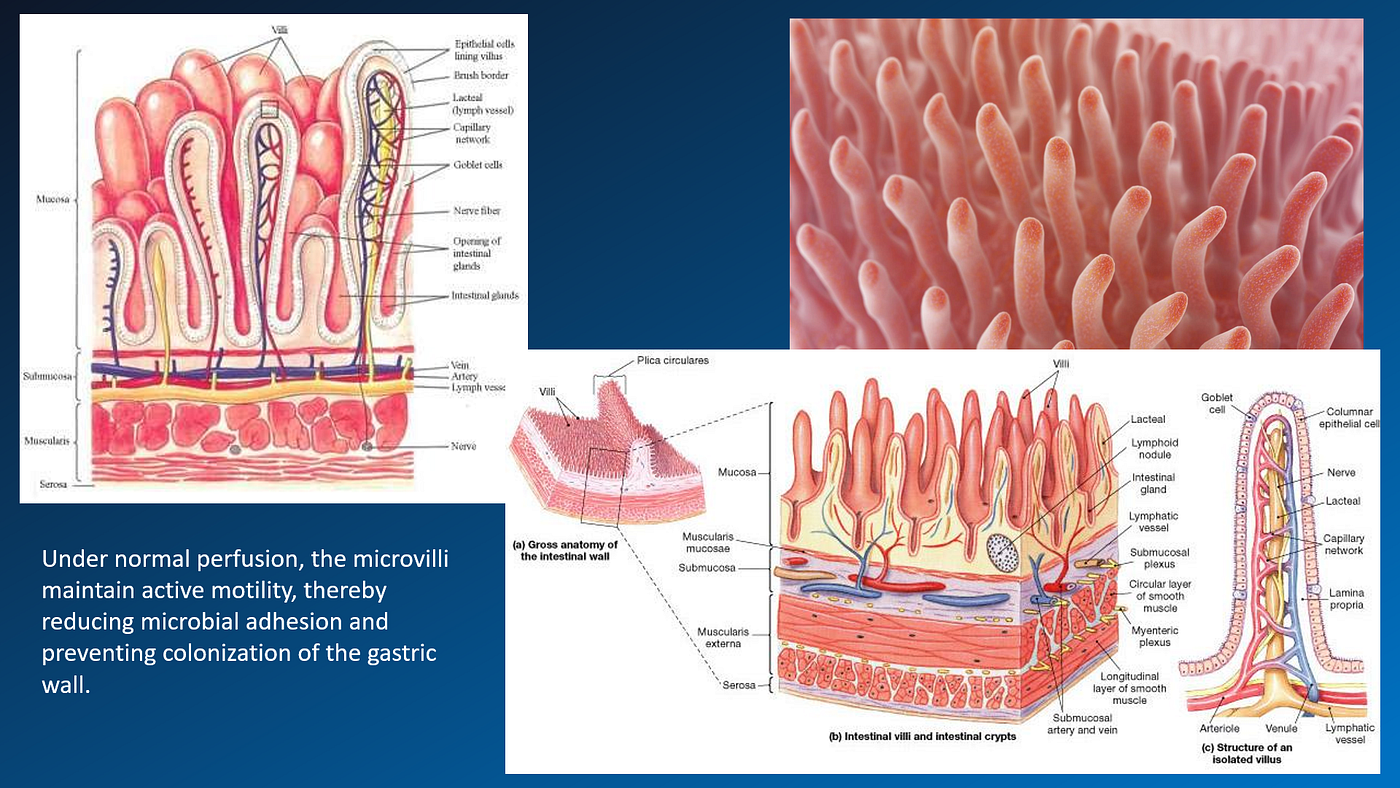
Figure 1. Anatomical structure of the gastric mucosa
4. The “Four-Step Breakdown” of Ulcer Formation
Let us reconstruct the process:
Step 1: Vascular dysfunction → Reduced blood flow and hypoxia
Step 2: Loss of microvillar motion → Breakdown of mucosal defense
Step 3: Bacterial attachment → H. pylori opportunistically colonizes
Step 4: Inflammation and tissue damage → Erosion → Ulcer formation
→ A critical paradigm shift:
Traditional view: H. pylori → Ulcer
New perspective: Vascular dysfunction → Mucosal failure → Bacterial invasion → Ulcer

Figure 2. Impairment of the gastric mucosal microcirculatory system
5. Why Do Symptoms Improve with Medication, Yet Keep Returning?
1. Antibiotics
They eliminate H. pylori, but:
- Disrupt gut microbiota
- Promote antibiotic resistance
- Do not improve circulation
→ Bacteria often return
2. Proton Pump Inhibitors (PPIs)
(e.g., omeprazole)
Short-term relief, but long-term:
- Reduced digestion
- Nutrient malabsorption
- Increased infection risk
→ Most importantly: They do not repair the stomach itself
3. Antacids
Quickly neutralize acid, but may cause:
- Bloating
- Food fermentation
- Microbiome imbalance
4. Mucosal Protectants
(e.g., sucralfate)
→ Provide a temporary protective layer → Do not restore underlying structure
6. The Most Misunderstood Factor: Gastric Acid
Many believe: → Gastric acid = harmful
But in reality, it is essential for:
- Protein digestion
- Enzyme activation
- Antimicrobial defense
What happens when acid is too low?
You may experience:
- Bloating
- Indigestion
- Iron and B12 deficiency
- Chronic fatigue
- Gastrointestinal infections
→ Food may ferment instead of being digested
→ Therefore, the real issue is not “excess acid” → But imbalance in the gastric system
7. The Core Insight: A Dual Breakdown of Vessels and Mucosa
Integrating all observations, peptic ulcer disease involves:
1. Microvascular dysfunction
- Reduced perfusion
- Vascular obstruction
- Aging vessels
2. Mucosal degeneration
- Loss of microvillar activity
- Reduced defense
3. Microenvironment imbalance
- Altered microbiota
- Persistent inflammation
→ In other words: Peptic ulcers are not simply a bacterial disease → They represent a systemic degenerative condition
8. A New Therapeutic Direction
If the root problem lies in circulation and mucosal integrity, then treatment must shift toward:
- Improving microcirculation
- Restoring capillary function
- Rebuilding the gastric mucosa
- Reactivating microvillar dynamics
→ This is true root-cause treatment
9. Why This Perspective Matters
This concept extends beyond peptic ulcers.
→ Many chronic diseases may share a common basis: microvascular dysfunction
Including:
- Cardiovascular disease
- Diabetes
- Chronic kidney disease
- Stroke
→ A unifying pathway emerges: Vessels → Tissue → Function → Disease
10. Conclusion
You are not ill simply because of excess acid. You are not ill simply because of bacteria.
→ You may be ill because: your gastric microcirculatory system has lost its balance.
The future of medicine may require a shift:
Not: Killing bacteria + suppressing acid
But: Restoring circulation + rebuilding mucosal integrity
11. References
- Peptic Ulcer Disease — StatPearls Publishing, 2023.
- Helicobacter pylori infection — WHO reports.
- Malfertheiner P, et al. (2017). Gut.
- Sung JJY, et al. (2009). Alimentary Pharmacology & Therapeutics.
- Wallace JL. (2008). Physiological Reviews.
- Brown LM. (2000). Epidemiologic Reviews.
- Konturek SJ, et al. (2009). Journal of Physiology and Pharmacology.
- Tarnawski AS & Ahluwalia A. (2012). Current Medicinal Chemistry.
- Szabo S, et al. (2010). Digestive Diseases and Sciences.
메타데이터
- post_id
- 77aa49b4dd2f
- slug
- the-biggest-blind-spot-in-medicine-2-you-thought-peptic-ulcers-were-caused-by-excess-acid-77aa49b4dd2f
- url
- https://medium.com/@tanchuangchungm/the-biggest-blind-spot-in-medicine-2-you-thought-peptic-ulcers-were-caused-by-excess-acid-77aa49b4dd2f
- canonical_url
- https://medium.com/@tanchuangchungm/the-biggest-blind-spot-in-medicine-2-you-thought-peptic-ulcers-were-caused-by-excess-acid-77aa49b4dd2f
- author_url
- https://medium.com/@tanchuangchungm
- status
- ok
- fetched_at
- 2026-07-15 05:28:05

