Choosing the Perfect Moving Head for Your Audio Setup: A Friendly Guide
Have you ever been at a concert, club, or live event and noticed those dazzling lights moving around the stage, sweeping across performers…
Choosing the Perfect Moving Head for Your Audio Setup: A Friendly Guide
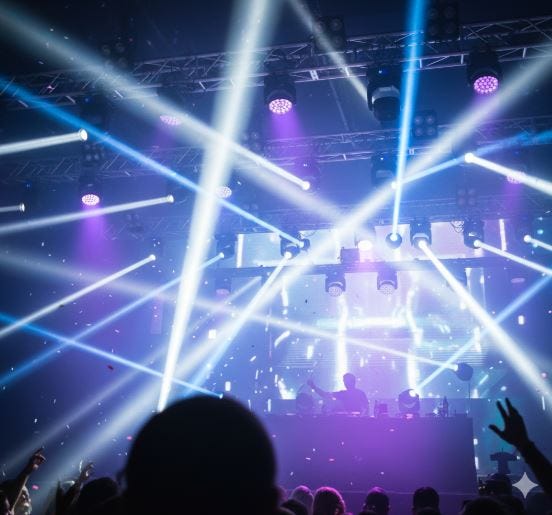
Have you ever been at a concert, club, or live event and noticed those dazzling lights moving around the stage, sweeping across performers and the crowd in perfect rhythm? Those are the magical Moving Head lights, quietly working behind the scenes to transform a simple audio setup into an unforgettable visual experience.
If you’re planning to upgrade your stage, studio, or DJ setup, understanding how to choose the right Moving Head can make all the difference. But with so many models, features, and specs available, it can feel overwhelming. Don’t worry — we’ve got you covered. This guide breaks down what Moving Heads are, why they’re important, and how to pick the right one for your setup in simple, easy-to-understand terms.
What Exactly Is a Moving Head?
A Moving Head is a type of stage light that can pan, tilt, and often rotate while producing sharp beams, patterns, and colors. Unlike static lights, Moving Heads can cover large areas, follow performers, and create dynamic effects that bring music and visuals together.
Key benefits of using a Moving Head:
Dynamic Motion: Moves around in real-time, creating an energetic stage presence.
Versatile Beam Patterns: Can project spots, washes, gobos (patterns), or even effects like strobes.
Controlled Precision: Fully adjustable with DMX or automated programming, perfect for live performances.
Essentially, Moving Heads are the bridge between music and visual storytelling — they respond to the beat, highlight performers, and energize audiences.
Why a Moving Head Matters in Your Setup
Think of your audio setup as a blank canvas. Speakers handle sound, but without the right lighting, the show can feel flat. Moving Heads add that extra layer of immersion by:
- Highlighting Key Moments: Focus on solo performers, DJ decks, or instruments at critical moments.
- Setting the Mood: Beam color and intensity can match the energy of the track or performance.
- Enhancing Audience Experience: People remember shows that excite multiple senses; Moving Heads make your audio setup feel alive.
In short, a good Moving Head isn’t just a light — it’s a performance enhancer.
Types of Moving Heads You Should Know
There’s no one-size-fits-all when it comes to Moving Heads. Here’s a quick overview of common types:
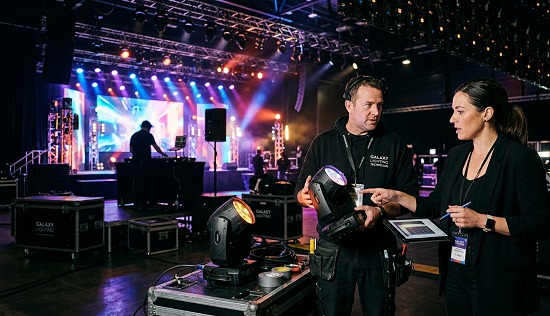
- Spot Moving Heads: Produce narrow, focused beams. Ideal for highlighting performers or objects. They often include gobos for creating patterns on walls, floors, or stages.
- Wash Moving Heads: Generate a broader, softer beam that “washes” over large areas. Perfect for background lighting or covering the audience area with smooth color gradients.
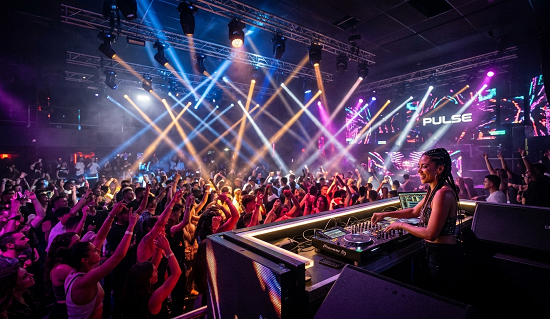
- Beam Moving Heads: Produce ultra-thin, high-intensity beams for dramatic stage effects. These are commonly seen in concert lighting, cutting through haze or smoke for visible beams.
- Hybrid Moving Heads: Combine spot, wash, and beam functionalities in one fixture. Versatile but usually higher in price and complexity.
Key Features to Consider
When choosing a Moving Head, you want to make sure it fits your specific audio setup. Here are the key things to consider:
- Light Source:
LED Moving Heads are energy-efficient, produce less heat, and last longer.
Traditional discharge lamps may be brighter but generate more heat and consume more power.
- Pan and Tilt Range:
Look for wide angles (usually 540° pan and 270° tilt) to cover your stage area effectively.
- Beam Angle:
Narrow beams create sharp spots, while wide beams are better for washes.
- Color and Effects:
Check for RGB or CMY color mixing for smooth transitions.
Built-in gobos, prisms, and strobe effects increase creative possibilities.
- Control Options:
DMX compatibility is essential for integrating with professional setups.
Some models offer automatic programs for beginners or smaller setups.
- Build Quality:
Durable metal housing and solid mechanics are important for touring or outdoor events.
Practical Tips for Choosing the Right Moving Head
Here’s a simple approach to finding the right model:
Assess Your Venue: Small clubs may only need wash Moving Heads, while larger stages benefit from spots and beams.
Match Your Audio: If your audio setup is high-powered, choose a Moving Head with intensity that complements the sound without overpowering it.
Plan for Expansion: Consider future events or upgrades — buying slightly more powerful or versatile Moving Heads now can save you headaches later.
Check Energy Requirements: Ensure your power supply and cabling can handle the lights, especially if you have multiple units.
Test Before Buying: Reputable pro audio and lighting shops often allow you to demo Moving Heads. Seeing the beam in action makes decision-making easier.
Moving Head Placement Strategies
Even the best Moving Head won’t perform well if placed incorrectly. Here are placement tips:
- Above Stage or DJ Booth: Provides a natural downward sweep and highlights performers.
- Along Trusses: Allows dynamic movement across the audience and stage.
- Side or Rear Angles: Adds depth and dimension to lighting effects.
- Floor Units: Can create dramatic upward beams and reflections, especially for special effects.
Remember: balance is key. Too many lights in one area can overwhelm the audience and muddy your visual presentation.

Maintenance and Longevity Tips
To get the most from your Moving Head:
Regular Cleaning: Dust can reduce light quality and interfere with motors.
Check Moving Parts: Lubricate gears and ensure smooth rotation to prevent mechanical failure.
Firmware Updates: Some modern Moving Heads offer software updates to enhance features and fix bugs.
Proper Storage: When not in use, store lights in padded cases to prevent damage during transport.
Investing time in maintenance ensures your Moving Head lasts longer and performs reliably at every show.
Conclusion
Choosing the right Moving Head for your audio setup doesn’t have to be complicated. By understanding the different types, key features, and practical considerations, you can select a fixture that enhances your performances, complements your audio, and impresses your audience.
Remember: it’s not just about brightness or fancy effects — it’s about creating a complete experience. With the right Moving Head, your setup becomes more than sound and light; it becomes a performance people will remember.
When in doubt, consult a professional audio or lighting store — they can guide you toward reliable, high-quality Moving Head fixtures tailored to your setup. Your investment in the right Moving Head today pays off in incredible visual experiences for your audience tomorrow.
메타데이터
- post_id
- 77ca02f63e6d
- slug
- choosing-the-perfect-moving-head-for-your-audio-setup-a-friendly-guide-77ca02f63e6d
- url
- https://medium.com/@charlesspeters6/choosing-the-perfect-moving-head-for-your-audio-setup-a-friendly-guide-77ca02f63e6d
- canonical_url
- https://medium.com/@charlesspeters6/choosing-the-perfect-moving-head-for-your-audio-setup-a-friendly-guide-77ca02f63e6d
- author_url
- https://medium.com/@charlesspeters6
- status
- ok
- fetched_at
- 2026-08-10 19:33:21