Why We Need to Re-evaluate Our Media Narratives About Abuse
Abuse hiding in plain sight as “normal”, covered by isolation and TV representing it as “normal”.
Why We Need to Re-evaluate Our Media Narratives About Abuse
Abuse hiding in plain sight as “normal”, covered by isolation and TV representing it as “normal”.
I recently watched an interview that left me absolutely shaken. It was with a man who had endured horrific abuse at the hands of his partner. She had beaten him with a wine bottle, causing serious damage, hit him in front of their children, and even held a knife to his throat. He had security footage of much of the abuse.
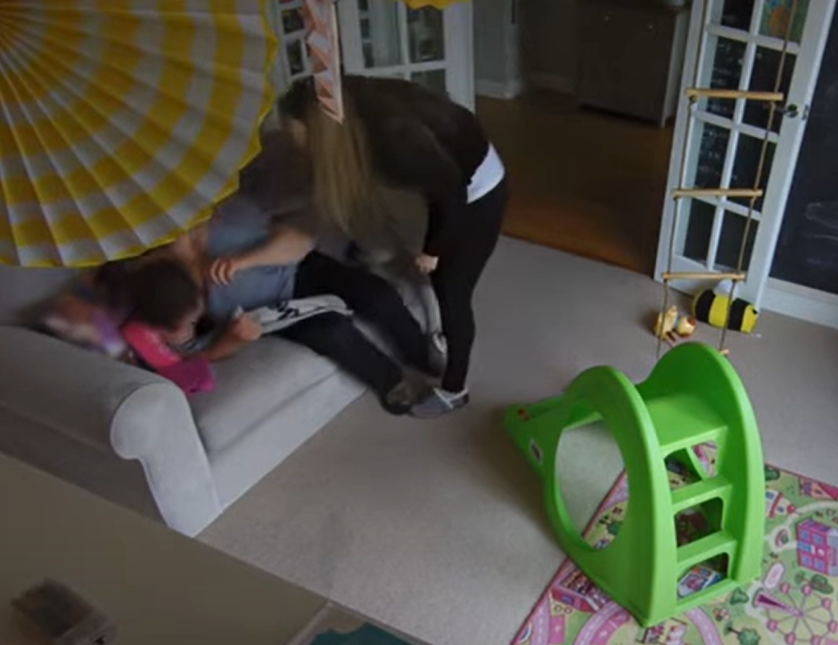
screenshot from the interview and of the abuse
The Abuse itself was awful, but something that struck me that I wasn’t expecting was his uncertainty about whether his experiences were “normal.”
(I have some experience that says I should have expected this, but somehow still I didn’t)
As he said, this kind of thing gets brushed off in TV shows all the time. Women hitting their boyfriends, slapping them in a fit of rage, and it’s often played for laughs or portrayed as a justified reaction.
I know I’ve seen this in kids shows, a lazy writer of an animated youtube ‘teen drama’ regularly uses this to express that the teen girls are upset with the completely unreasonable actions of their boyfriends. (and the actions they are annoyed about, it’s fair to be annoyed by, but not to hit. don’t hit people.) I also saw it recently in a c grade but mainstream kids movie, (spycat) played for laughs.
These portrayals matter. It was because of these skewed portrayals that he wasn’t sure if he was overreacting by being upset about being abused.
He felt so uncertain that he had to show the footage to a friend and ask if his reaction was appropriate. (His friend was horrified and showed the police.)
The problem
This displays a deeply troubling issue. The normalization of abuse through media combining with the isolation tactics used by abusers to keep their victims in the dark about the severity of their situation.
Abusers often isolate their victims from friends, family, and anyone who could potentially tell them that what they’re experiencing is wrong. This isolation is a powerful tool, creating an environment where the victim becomes entirely reliant on the abuser’s narrative. Without external perspectives, (and with TV shows reinforcing it) victims may start to believe that the abuse is normal or even justified.
This isolation is compounded by the portrayal of abuse in media. When TV shows and movies consistently depict abusive behaviour as acceptable, humorous, or justified, it warps our understanding of healthy relationships. These portrayals can be particularly damaging for isolated victims who have little else to compare their experiences to.
When a man sees characters on TV being hit by their partners and it’s laughed off or never addressed as serious, it reinforces the false idea that his own suffering is trivial or deserved.
The man in the interview was lucky that he still had a friend in his circle who was able to help with a reality check and getting the police involved. Thankfully, his friend recognized the seriousness of the situation and took action, but not everyone is so fortunate.
We need to do better as a society. Media creators have a responsibility to portray relationships accurately and sensitively, avoiding the trivialization of abuse. TV shows and movies need to show the real consequences of abusive behaviour.
Laughter should never be the response to violence.

The interview: Warning: graphic depictions of domestic abuse.
[embed]
메타데이터
- post_id
- 77fb041cddfa
- slug
- why-we-need-to-re-evaluate-our-media-narratives-about-abuse-77fb041cddfa
- url
- https://medium.com/@valuable_mindaro_jellyfish_659/why-we-need-to-re-evaluate-our-media-narratives-about-abuse-77fb041cddfa
- canonical_url
- https://medium.com/@valuable_mindaro_jellyfish_659/why-we-need-to-re-evaluate-our-media-narratives-about-abuse-77fb041cddfa
- author_url
- https://medium.com/@valuable_mindaro_jellyfish_659
- status
- ok
- fetched_at
- 2026-07-23 05:51:45