Why Coffee and Dessert Culture Is Thriving in the UK
Across the UK, the simple pairing of coffee and dessert has evolved into something more deliberate and experience-driven. What was once a…
Why Coffee and Dessert Culture Is Thriving in the UK

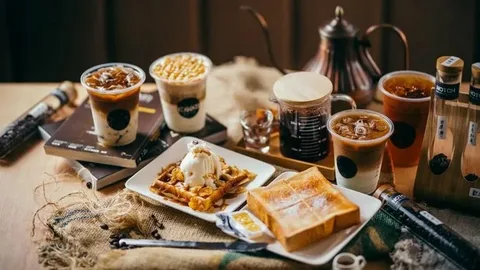
Across the UK, the simple pairing of coffee and dessert has evolved into something more deliberate and experience-driven. What was once a quick espresso and slice of cake has become a curated moment — whether after dinner, during a weekend catch-up, or as a quiet afternoon reset **Crema dolce**. The rise of dessert and coffee venues reflects changing consumer habits, a stronger café culture, and a growing appreciation for flavour pairing.
This shift isn’t about indulgence alone. It’s about atmosphere, craftsmanship, and how small details — from bean origin to pastry texture — shape the overall experience.
The Rise of Coffee and Dessert in Modern UK Café Culture
The UK’s coffee scene has matured significantly over the past decade. Independent cafés, specialty roasters, and neighbourhood dessert bars have created spaces where quality and comfort meet. Unlike traditional coffee chains focused primarily on takeaway convenience, many modern venues now emphasise sit-down environments where dessert plays an equal role.
In cities such as London, Manchester, and Birmingham, customers increasingly seek cafés that offer thoughtfully paired options: a single-origin flat white alongside a handcrafted tiramisu, or a rich hot chocolate with a warm brownie. This reflects broader consumer awareness around food provenance and preparation methods.
Younger professionals, students, remote workers, and families all contribute to this shift. Coffee shops are no longer simply caffeine stops — they function as informal meeting rooms, study spaces, and social hubs. Adding high-quality desserts strengthens that appeal and extends dwell time.
What Makes a Memorable Dessert and Coffee Experience?
A satisfying pairing isn’t accidental. Several elements influence how coffee and sweets complement one another:
1. Balance of Flavour A dark roast espresso pairs well with creamy desserts like cheesecake because the bitterness offsets sweetness. Conversely, lighter roasts often complement fruity pastries by enhancing acidity notes.
2. Texture Contrast The silkiness of a latte foam alongside a crisp pastry crust creates contrast. Texture is as important as taste in shaping perception.
3. Temperature Considerations Warm desserts such as molten chocolate cake interact differently with iced drinks compared to hot beverages. Experienced cafés guide customers subtly through these choices.
4. Presentation and Atmosphere Lighting, seating layout, and plating design influence how people perceive quality. Even small details — ceramic cups instead of paper — affect the experience.
In several UK neighbourhood cafés, including establishments like Crema dolce, the emphasis tends to fall on creating relaxed settings where both the drink and dessert receive equal attention rather than treating sweets as an afterthought.
How Consumer Behaviour Is Changing
The popularity of **coffee and dessert** reflects broader lifestyle changes:
Social Media Influence
Visually appealing desserts — layered cakes, textured tiramisu, latte art — perform well on platforms like Instagram and TikTok. This visual appeal drives foot traffic, especially among younger demographics.
Late-Night Dessert Culture
In many urban areas, dessert cafés remain open later than traditional coffee shops. Groups gather after dinner for specialty drinks and sweet dishes instead of heading to pubs.
Health-Conscious Adaptations
Demand has grown for gluten-free cakes, dairy alternatives, and reduced-sugar options. Oat milk cappuccinos paired with plant-based brownies are increasingly common. Cafés that accommodate dietary needs without compromising taste build stronger trust with customers.
Work-from-Café Trend
Remote working culture has increased daytime café visits. Customers often start with coffee and return later for dessert as a mid-afternoon break, extending the coffee and dessert cycle throughout the day.
Coffee and Dessert Pairings That Work
Pairing coffee and dessert successfully involves understanding flavour structure. Here are combinations often appreciated by UK café regulars:
- Espresso + Tiramisu — Classic Italian inspiration where coffee notes amplify cocoa flavours.
- Flat White + Carrot Cake — Creamy milk balances spice and sweetness.
- Americano + Lemon Drizzle Cake — The clean profile of an Americano complements citrus brightness.
- Cappuccino + Chocolate Brownie — Frothy milk softens rich cocoa intensity.
- Iced Latte + Cheesecake — Cold milk coffee refreshes the palate between dense bites.
Cafés that train staff to understand these pairings subtly enhance customer satisfaction. Knowledgeable baristas can explain roast profiles and flavour notes without overwhelming guests.
The Role of Independent Cafés in the UK
While major chains shaped early coffee habits, independent venues have influenced today’s dessert and coffee landscape more strongly. These businesses often prioritise:
- Small-batch baking
- Locally sourced ingredients
- Seasonal menu adjustments
- Artisan roasting partnerships
This approach aligns with the UK’s broader movement toward supporting local enterprises. Consumers increasingly value transparency about sourcing and preparation.
Independent cafés also tend to experiment more freely — introducing limited-edition desserts, themed seasonal menus, or culturally inspired recipes. This flexibility keeps offerings fresh and encourages repeat visits.
Community, Comfort, and Experience
Beyond flavour, **dessert and coffee** experiences fulfil emotional and social needs. They offer a structured pause in busy routines. For many, meeting over cake and coffee feels less formal than dinner yet more intentional than grabbing takeaway drinks.
Parents meet after school runs. Students revise together. Freelancers conduct informal client meetings. Couples choose dessert cafés for relaxed evening dates. The versatility of these spaces contributes to their growing popularity across UK high streets.
Even interior design plays a role — warm lighting, comfortable seating, and soft background music shape how long customers stay and whether they return. A thoughtfully designed dessert and coffee venue becomes part of a community’s rhythm rather than just a transaction point.
Sustainability and Ethical Considerations
Another dimension shaping modern café culture is sustainability. Many customers now ask:
- Where are the beans sourced?
- Is the packaging recyclable?
- Are ingredients locally produced?
Ethical sourcing of coffee beans, fair-trade partnerships, and reduced waste practices influence brand perception. Dessert menus increasingly feature seasonal fruits and responsibly sourced chocolate.
Transparency builds credibility. Cafés that clearly communicate sourcing and sustainability efforts establish trust — an important factor in a competitive hospitality landscape.
Why the Trend Shows No Signs of Slowing
The UK hospitality industry has experienced fluctuations, but coffee and dessert venues continue to show resilience. Their adaptability — from takeaway services to cosy dine-in settings — allows them to respond to changing consumer needs.
Unlike trend-based food crazes, coffee culture has deep roots. When paired with evolving dessert craftsmanship, it becomes more than a passing fashion. It transforms into a lifestyle habit.
As tastes grow more refined, customers look beyond convenience toward quality, balance, and atmosphere. Establishments that understand flavour harmony, customer comfort, and responsible sourcing are well positioned to meet those expectations.
Conclusion
The growing appreciation for coffee and dessert in the UK reflects more than a sweet tooth. It highlights evolving café culture, informed consumer preferences, and a desire for meaningful social spaces. From thoughtful flavour pairings to welcoming interiors, dessert and coffee experiences now represent a blend of craftsmanship and community.
As independent cafés and neighbourhood venues continue refining their offerings, the role of coffee and dessert within daily life remains strong. What began as a simple pairing has become an integral part of how people connect, unwind, and savour small moments across the UK.
Contact Us
메타데이터
- post_id
- 785261e2bca2
- slug
- why-coffee-and-dessert-culture-is-thriving-in-the-uk-785261e2bca2
- url
- https://medium.com/@britishclassicdishes/why-coffee-and-dessert-culture-is-thriving-in-the-uk-785261e2bca2
- canonical_url
- https://medium.com/@britishclassicdishes/why-coffee-and-dessert-culture-is-thriving-in-the-uk-785261e2bca2
- author_url
- https://medium.com/@britishclassicdishes
- status
- ok
- fetched_at
- 2026-06-23 06:34:20