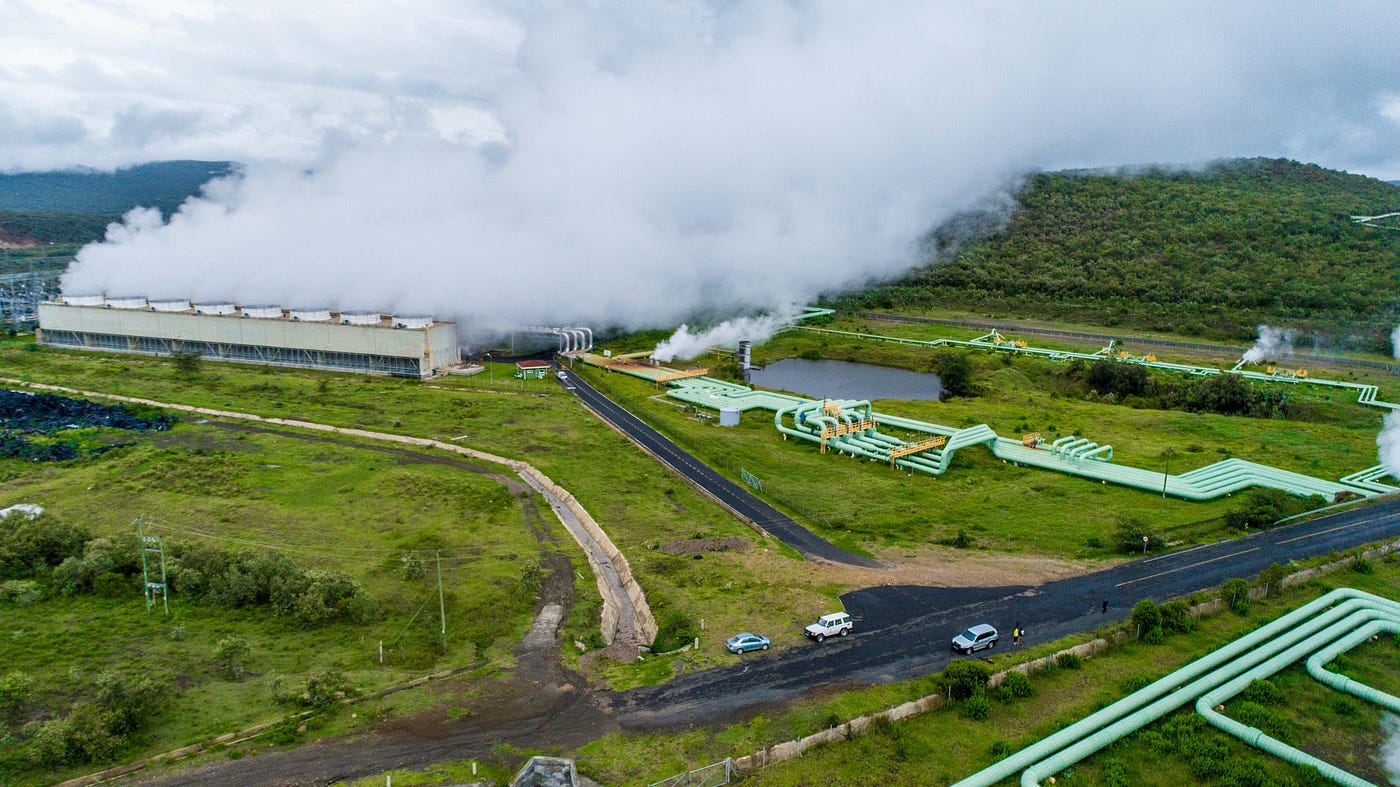
Why Real-Time Emissions Data Is Critical for Industries
In today’s environmentally conscious world, industries can no longer rely on delayed reports — real-time emissions data is becoming…
Why Real-Time Emissions Data Is Critical for Industries
In today’s environmentally conscious world, industries can no longer rely on delayed reports — real-time emissions data is becoming essential for compliance, efficiency, and sustainability.
Introduction
Industries around the world are under growing pressure to reduce pollution and operate more responsibly. Governments are enforcing stricter environmental regulations, while customers and communities expect greater transparency from businesses.
In this changing environment, relying on occasional inspections or delayed reports is no longer enough.
This is why real-time emissions data has become so important. By continuously monitoring emissions as they happen, industries can respond faster, improve compliance, and make smarter operational decisions.
What Is Real-Time Emissions Data?
Real-time emissions data refers to the continuous collection and analysis of pollutants released into the environment during industrial operations.
Modern monitoring systems track gases such as:
- Carbon dioxide (CO₂)
- Nitrogen oxides (NOx)
- Sulfur dioxide (SO₂)
- Particulate matter (PM)
Instead of waiting for manual testing or periodic reports, industries receive live updates about their emission levels.
Ensuring Environmental Compliance
One of the biggest reasons real-time emissions data matters is compliance.
Environmental agencies require industries to stay within specific emission limits. Without continuous monitoring, companies may not realize when emissions exceed safe levels.
Real-time systems help by:
- Detecting emission spikes immediately
- Sending alerts when limits are crossed
- Generating accurate compliance records
This reduces the risk of penalties, legal issues, and operational shutdowns.
Faster Response to Problems
Industrial operations can change quickly due to equipment issues, fuel quality, or process failures.
Without real-time monitoring, problems may go unnoticed for hours or even days.
Real-time emissions data allows industries to:
- Identify abnormal conditions instantly
- Take corrective action immediately
- Prevent larger environmental incidents
This proactive approach improves both safety and operational control.
Improving Operational Efficiency
Emission levels often reflect how efficiently industrial systems are operating.
High emissions may indicate:
- Inefficient fuel usage
- Equipment malfunction
- Poor combustion performance
By analyzing real-time data, industries can optimize processes, reduce waste, and improve energy efficiency.
This not only helps the environment but can also lower operational costs.
Supporting Sustainability Goals
Sustainability is becoming a major focus across industries.
Real-time emissions monitoring helps companies:
- Track environmental performance
- Measure progress toward sustainability targets
- Reduce their overall carbon footprint
Having continuous environmental data makes sustainability efforts more measurable and effective.
Building Transparency and Trust
Today, transparency matters more than ever.
Businesses that actively monitor and manage emissions demonstrate responsibility and accountability.
Real-time emissions data helps industries:
- Provide accurate environmental reports
- Improve public trust
- Strengthen relationships with regulators and stakeholders
This can positively impact both reputation and long-term business success.
The Role of Advanced Technologies
Modern emissions monitoring systems rely on technologies such as:
- IoT sensors
- Cloud-based monitoring platforms
- Artificial intelligence (AI)
- Data analytics tools
These technologies make it easier to collect, analyze, and act on emissions data in real time.
As technology evolves, monitoring systems are becoming more accurate, automated, and accessible.
Looking Ahead
The future of industrial monitoring will be increasingly data-driven.
We can expect:
- AI-powered predictive emission analysis
- Automated compliance reporting
- Smarter environmental management systems
- Greater integration with sustainability platforms
Real-time emissions data will continue to play a central role in industrial operations.
Final Thoughts
Real-time emissions data is no longer just a technical advantage — it’s becoming a necessity for modern industries.
By providing continuous visibility into environmental impact, it helps businesses stay compliant, improve efficiency, and operate more responsibly.
In a world where sustainability and accountability are more important than ever, real-time monitoring is helping industries move toward a cleaner and smarter future. 🌍🏭
메타데이터
- post_id
- 785afa6beffb
- slug
- why-real-time-emissions-data-is-critical-for-industries-785afa6beffb
- url
- https://medium.com/@thevegeto5411/why-real-time-emissions-data-is-critical-for-industries-785afa6beffb
- canonical_url
- https://medium.com/@thevegeto5411/why-real-time-emissions-data-is-critical-for-industries-785afa6beffb
- author_url
- https://medium.com/@thevegeto5411
- status
- ok
- fetched_at
- 2026-06-09 15:37:30