The Russo-Ukrainian War
Introduction
The Russo-Ukrainian War
Introduction
The Russo-Ukrainian War, also known as the Ukrainian crisis or the conflict in Eastern Ukraine, has been one of the most significant geopolitical events of the 21st century. What began as a political disagreement over Ukraine’s direction and its relations with Russia escalated into a full-scale armed conflict, resulting in immense human suffering, territorial disputes, and strained international relations. This article is devils into the origins, key events, consequences, and ongoing impact of the Russo-Ukrainian War.
Origins of the Conflict
The political tug-of-war between pro-European and pro-Russian factions within Ukraine has been a constant struggle, leading to the polarization of the country’s society.
In 2013, Ukraine’s then-president Viktor Yanukovych backed away from an agreement with the European Union, leading to mass protests in Maiden Square, Kyiv. Amid mounting tensions, Russia’s annexation of Crimea in 2014 further aggravated the situation, sparking a pro-Russian insurgency in the eastern regions of Donetsk and Luhansk.
The conflict escalated swiftly, with pro-Russian separatists declaring “people’s republics” in Donetsk and Luhansk. Fierce fighting erupted between Ukrainian government forces and rebel groups supported by Russia. The conflict saw the use of unconventional warfare tactics alongside conventional military operations, leading to a volatile and dangerous situation on the ground.
Key Events
Throughout the war, numerous ceasefire agreements were established, such as the Minsk agreements in 2014 and 2015. However, these ceasefires were consistently violated by both sides, resulting in a continuation of hostilities and preventing a lasting resolution to the conflict.
2016–2018: Minsk Agreements and Tenuous Ceasefires
Despite several attempts to establish ceasefires, the war continued to escalate. In 2016, efforts were made to negotiate a peaceful settlement, resulting in the Minsk Agreements. These agreements aimed to de-escalate the conflict, establish a ceasefire, and outline a political roadmap for resolving the crisis. However, the agreements were only partially implemented, with sporadic violations and low-level clashes persisting.
2019–2022: Escalation and International Involvement
The war witnessed intermittent escalations in fighting, causing further loss of life and instability in the region. In 2019, Ukraine elected Volodymyr Zelensky as president, and he expressed a renewed commitment to resolving the conflict. International pressure to reach a peaceful solution increased, with numerous negotiations and summits held between Russia, Ukraine, and European mediators.
Despite these efforts, progress remained limited, and the conflict continued to simmer, exacerbated by external influences and geopolitical tensions. Ukraine and Russia, leading to a significant reduction in hostilities. The agreement laid the groundwork for further negotiations on key issues, including the status of the region and the withdrawal of foreign troops.

Consequences and Humanitarian Crisis
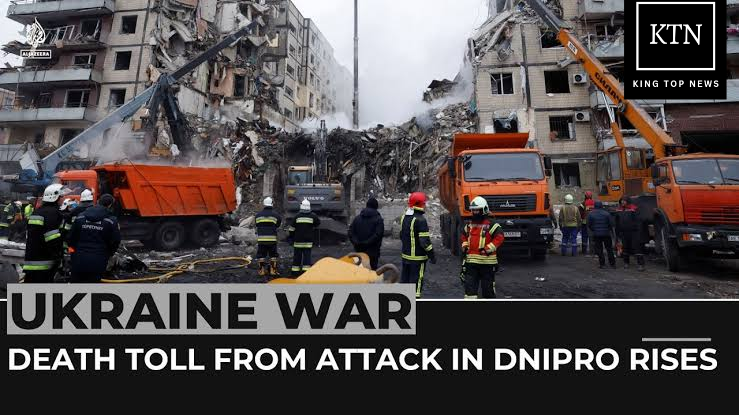
The **Russo-Ukrainian War **has had severe consequences for both Ukraine and Russia, as well as wider geopolitical implications. The conflict claimed the lives of thousands of civilians and military personnel on both sides, with reports of human rights abuses, indiscriminate bombings, and the displacement of over a million people.
Ukraine’s economy suffered significant damage due to the war, with industries and infrastructure in the conflict-affected regions being heavily affected. Moreover, the war deepened the divisions within Ukrainian society, exacerbating the existing tensions between different regions and identity groups.
Geopolitical Impact
The Russo-Ukrainian War dramatically altered the geopolitical landscape in Eastern Europe. The conflict strained relations between Russia and the West, particularly with the United States and the European Union, leading to economic sanctions and political isolation for Russia. The war also prompted a reassessment of European security, with NATO members bolstering their defense capabilities out of concerns over Russia’s aggressive behavior.
Ongoing Impact and Uncertain Future
The Russo-Ukrainian War remains unresolved, with periodic flare-ups of violence and a lack of progress in peace negotiations. The conflict has simmered, with both sides and their international backers engaging in a war of attrition. The situation has further complicated matters with a **new** dimension, the issue of Crimea the n Peninsula, which remains under Russian control but is internationally recognized as part of Ukraine.
The war’s long-term consequences are difficult to predict. The ongoing conflict has highlighted the fragility of borders and the challenges of maintaining stable multilateral relationships. It has also cast a shadow over the prospects for peace in the region, fueling tensions, and increasing the risk of further conflicts.

Looking Ahead: Challenges and Prospects
The conflict’s protracted nature has fueled human suffering, displacement, economic decline, and political instability in both Russia and Ukraine. Challenges ahead include finding a sustainable solution that addresses the root causes of the conflict, reintegrating the Donbass region into Ukraine, and securing lasting peace. The progress made in 2023 gives cause for cautious optimism, but significant obstacles remain which require continued international engagement and political will from all parties involved.
2023 onwards: Toward a Fragile Peace
As of 2023, the Russo-Ukrainian War has yet to reach a conclusive resolution. However, recent diplomatic efforts have provided a glimmer of hope. In May 2023, a ceasefire agreement was reached between Ukraine and Russia, leading to a significant reduction in hostilities. The agreement laid the groundwork for further negotiations on key issues, including the status of the Donbas region and the withdrawal of foreign troops.
Conclusion
The Russo-Ukrainian War represents a complex web of geopolitical interests, regional aspirations, and historical animosities. As a conflict that has persisted for over seven years, it has left an indelible mark on the lives of millions of people and has strained international relations. The key to resolving the conflict lies in constructive dialogue, adherence to international law, and a commitment to finding a peaceful and sustainable solution that respects the sovereignty and territorial integrity of Ukraine
The conflicts’ destructive course, spanning almost a decade, serves as a stark reminder of the cost of unresolved disputes and the imperative for peaceful resolutions. As the world continues to watch, hoping for a lasting and peaceful solution, the path to reconciliation and stability in the region remains complex and challenging.
메타데이터
- post_id
- 7932ce8c64bb
- slug
- the-russo-ukrainian-war-7932ce8c64bb
- url
- https://medium.com/@kingtopnews/the-russo-ukrainian-war-7932ce8c64bb
- canonical_url
- https://medium.com/@kingtopnews/the-russo-ukrainian-war-7932ce8c64bb
- author_url
- https://medium.com/@kingtopnews
- status
- ok
- fetched_at
- 2026-07-25 13:37:49