Emotional Abuse Doesn’t Look Like Rage
What makes this form of abuse especially difficult to confront is that it often masquerades as maturity. Calmness is socially rewarded…
Emotional Abuse Doesn’t Look Like Rage
[embed]Ramon Ontiveros — Emotional Abuse Doesn’t Look Like Rage
What makes this form of abuse especially difficult to confront is that it often masquerades as maturity. Calmness is socially rewarded. Emotional restraint is praised, especially in men. Being “reasonable,” “measured,” and “unreactive” is framed as strength. I benefited from that framing. My ability to stay composed in moments of conflict made me look like the stable one, the rational one, the person who was trying to keep things from escalating. Meanwhile, the escalation was happening internally, invisibly, in the person forced to absorb the tension I refused to resolve. My silence created a vacuum where anxiety thrived. My withdrawal communicated threat without words. My calmness did not de-escalate; it displaced the emotional cost onto someone else. This is how abuse hides in plain sight: not through excess emotion, but through the calculated withholding of it. The harm was not accidental or misunderstood. It was structural. It was built into how conflict functioned in the relationship. Resolution was never the goal. Compliance was.
Over time, this dynamic reshaped reality. When someone is repeatedly told — explicitly or implicitly — that conflict exists because of them, they begin to internalize responsibility for everything that goes wrong. They start preemptively apologizing, self-editing, shrinking their needs before they can become “problems.” I watched this happen and did nothing to stop it. In fact, I benefited from it. The less she asked for, the more comfortable I became. The more she adapted, the less I had to change. That imbalance was not a misunderstanding; it was the outcome. Emotional abuse works not by dramatic moments, but by slow recalibration. It teaches someone that their discomfort is normal, that their anxiety is excessive, that their desire for clarity is unreasonable. It erodes confidence quietly, until the person being harmed no longer trusts their own perception of what is happening. And because the harm is subtle, because it unfolds over time, it becomes difficult to point to a single moment and say, “This is where it broke.” That ambiguity is not incidental. It is part of the mechanism.
I also told myself a story about intention. I told myself that because I did not intend to hurt her, because I was not consciously trying to be cruel, the impact mattered less. That distinction is another refuge abusers use. Intent becomes a shield. Self-image becomes more important than consequence. I could acknowledge behaviors in abstraction while avoiding responsibility in reality. I could say I was flawed without confronting the harm those flaws caused. I could speak the language of introspection while continuing to benefit from the imbalance it described. That is why self-awareness alone is insufficient. Awareness without accountability becomes another tool of control. It allows harm to be named without being dismantled. It allows the person who caused damage to remain centered in the narrative, even when claiming humility.
What I understand now — and what I did not want to understand then — is that abuse is defined by its effects, not its aesthetics. It is defined by what it does to another person’s sense of safety, agency, and self-trust, not by how composed the person causing it appears. The absence of rage does not equal the absence of harm. Calm does not equal care. Control, when exercised over another person’s emotional reality, is still control, even if it is quiet, even if it is culturally normalized, even if it is wrapped in reason. Naming this matters not because it redeems anything, but because it disrupts a narrative that allows too much harm to go unrecognized. When abuse hides behind composure, it becomes easier to excuse, easier to minimize, easier to repeat. I did not lose control. I did not act unknowingly. I exercised power repeatedly, predictably, and to my advantage. And any honest reckoning with emotional abuse has to begin there, in the refusal to confuse calm with innocence and silence with safety.
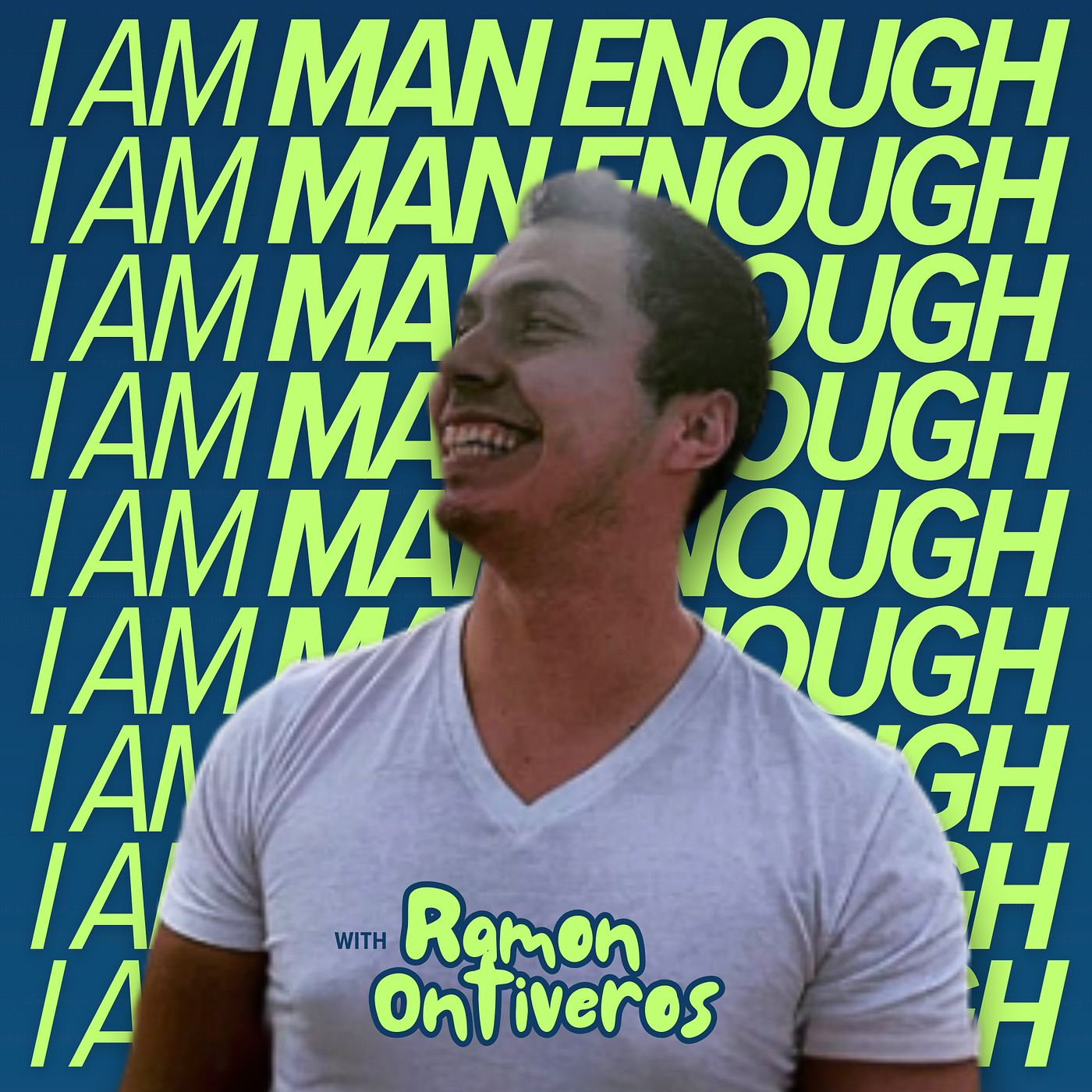
More about the author:
Ramon Ontiveros is a divorced business owner based in El Paso, Texas. He created Man Enough as a first person confession that walks backward through domestic violence, emotional abuse, gaslighting, coercive control, masculinity, sexual repression as a gay man, and fear, tracing how harm formed, hardened, and persisted until it reaches the first day harm became possible because he is trying something new: accountability without absolution.
Get in touch with me
General Inquiries info@manenough.com
메타데이터
- post_id
- 795e83c01f07
- slug
- emotional-abuse-doesnt-look-like-rage-795e83c01f07
- url
- https://medium.com/@ramoniv4/emotional-abuse-doesnt-look-like-rage-795e83c01f07
- canonical_url
- https://medium.com/@ramoniv4/emotional-abuse-doesnt-look-like-rage-795e83c01f07
- author_url
- https://medium.com/@ramoniv4
- status
- ok
- fetched_at
- 2026-06-17 08:20:12