Not All…
The Neighbour we Refuse to See
Not All…
The Neighbour we Refuse to See
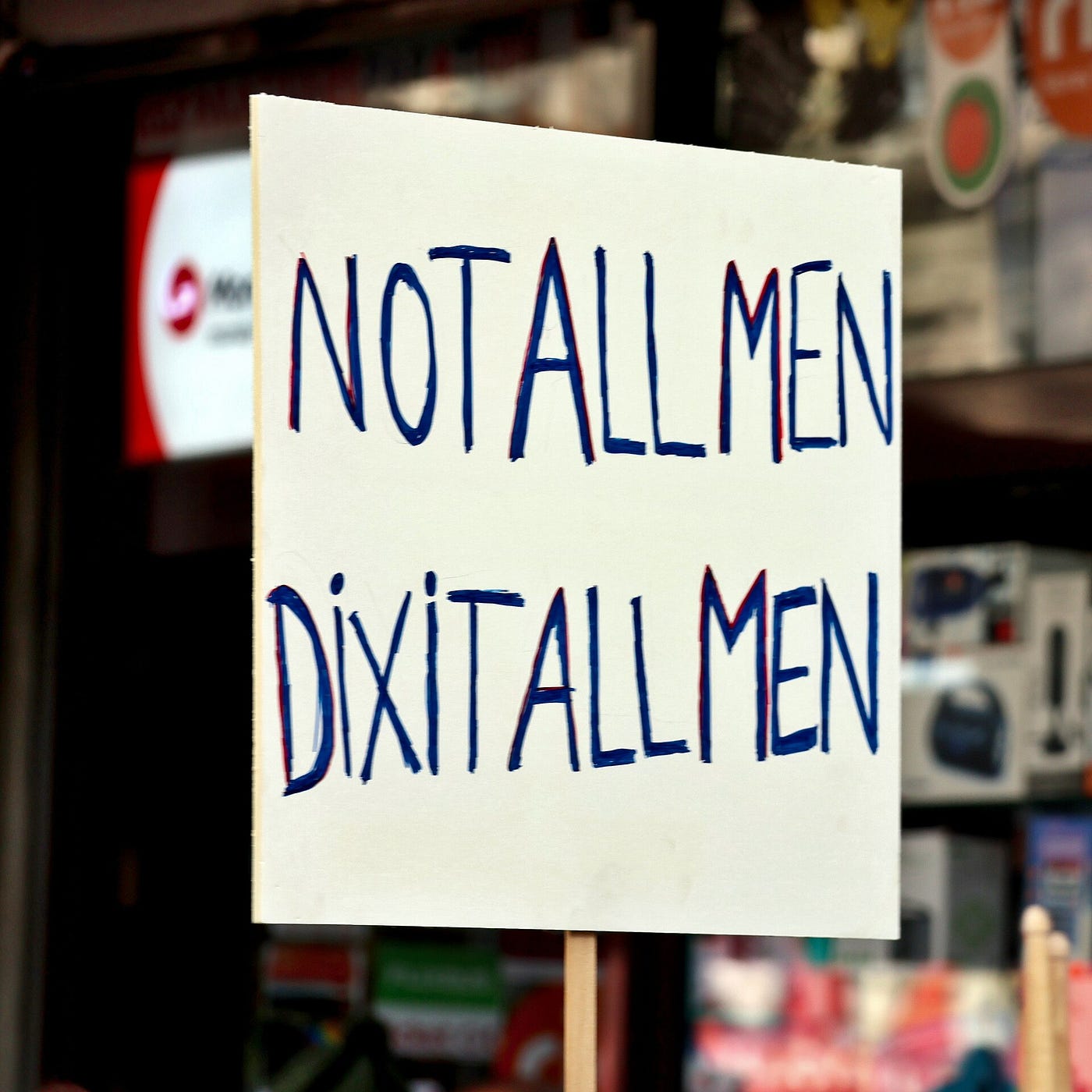
“Not all men…”
It is a phrase with a poor reputation, and often for good reason. Too often it arrives not as humility, but as evasion; not as solidarity, but as self-defence. A woman speaks of fear, and a man rushes to rescue his own innocence. The wound is named, and someone insists the bandage be applied to his reputation instead.
And yet, beneath that flawed phrase, there does remain a truth worth redeeming: not all.
Not all men are violent. Not all Muslims are extremists. Not all Palestinians are terrorists. Not all Jews are Zionists. Not all Israelis support occupation. Not all who fear for Jewish safety desire Palestinian suffering.
The trouble is that “not all” becomes morally useful only when it leads us towards the wounded, not away from them. It is holy only when it protects the innocent, never when it shields the powerful from judgement.
So yes: not all Jews. Absolutely. Unequivocally. As Christians, we must say this with special trembling, because the Church has sinned grievously against Jewish people for centuries. Our scriptures have been sharpened into knives. Our pulpits have fed contempt. Our silence has stood too often beside the machinery of persecution. Any Christian anti-Zionism that forgets this becomes spiritually diseased at the root.
But precisely because Jewish life is sacred, it cannot be made dependent upon the oppression of another people. Jewish safety cannot require Palestinian dispossession. Jewish flourishing cannot be built upon checkpoints, siege, exile, settlement, humiliation, and the daily shrinking of another people’s horizon. A theology that demands another people’s crucifixion in order to secure one people’s resurrection is not the Gospel; it is empire wearing a borrowed — and crooked — halo.
Christian anti-Zionism is not hatred of Jews. It is a refusal of nationalism when nationalism becomes an idol. It is a refusal to confuse covenant with conquest, trauma with entitlement, or security with domination. It is the conviction that no people — not Jewish, not Christian, not Muslim, not British, not Welsh, not anyone — has a divine right to supremacy over another.
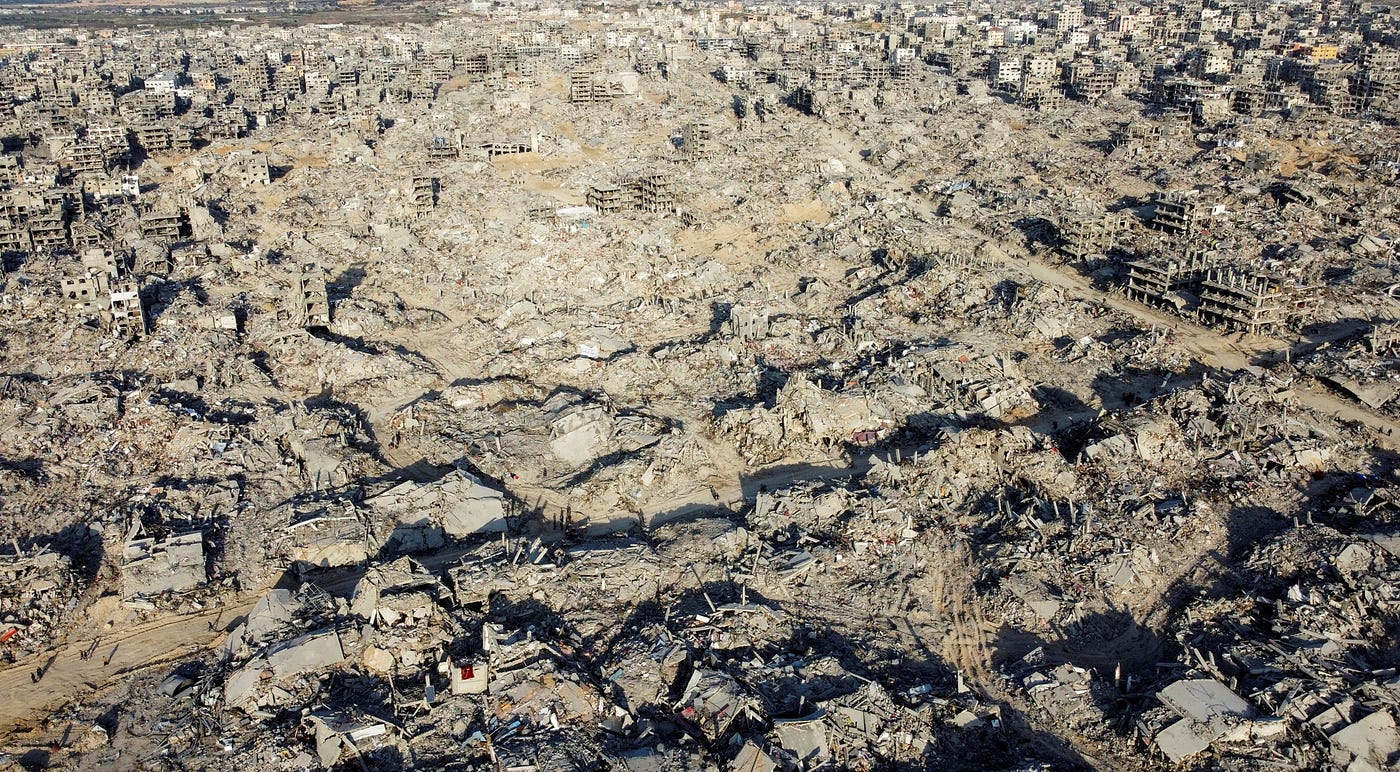
The land is beloved because people are beloved. And Palestinians are people: not symbols, not demographic problems, not human shields, not regrettable complications in someone else’s sacred story. They are mothers and fathers, children and elders, poets and paramedics, farmers and teachers, Christians, Muslims, and those of no faith at all.
They are bearers of the image of God.
“Not all Palestinians,” we say — and even that should shame us slightly, for why must the oppressed continually prove they are not monsters before their suffering is allowed to matter? Why must Palestinian grief pass an examination that no other grief is asked to sit?
Here the “man or bear” question becomes strangely illuminating. Many women said they would rather meet a bear in the woods than a strange man. The point was never that bears are gentle; it was that danger is not judged only by teeth and claws, but by power, denial, and the likelihood of being believed afterwards.
The bear will not tell you that you imagined it. The bear will not issue a statement saying it acted in self-defence. The bear will not explain that the forest was complicated. The bear will not ask why you were walking there in the first place.
So too, in arguments about Palestine, the question is not simply, “Who has suffered?”, because both Jews and Palestinians have suffered grievously. The question is: whose suffering is recognised, narrated, funded, armed, excused, and sanctified? Whose fear becomes policy? Whose trauma becomes a border wall? Whose dead are mourned as human, and whose dead are counted as unfortunate weather?
Pro-Zionist arguments so often ask us to begin with fear — Jewish fear, real fear, historical fear, fear with the ovens of Auschwitz and its ilk still smoking in the European Christian conscience. That fear must never be mocked. It must be heard with reverence.
But fear must not be enthroned.
When fear becomes sovereign, it demands sacrifices. It asks for children. It calls domination “security”, and despair “deterrence”. It baptises the cage, and calls the prisoner dangerous for rattling the bars.
The Gospel does not permit this. Christ does not stand with the occupier because the occupier is frightened. Nor does Christ abandon the frightened occupier to hatred. He calls all people out of the tombs they have mistaken for homes.
To be anti-Zionist as a Christian is to say that the safety of Jewish people and the liberation of Palestinians are not rival goods. They are bound together, because justice is not a cake from which one people’s slice must be cut smaller so another may eat. Justice is bread in the hands of Christ: broken, yes, but mysteriously multiplied. It is to say “not all Jews” against antisemitism. It is to say “not all Muslims” against Islamophobia. It is to say “not all Palestinians” against the machinery that turns an occupied people into a threat-shaped blur. It is to say “not all Israelis” while still naming occupation as occupation. And it is to say, with equal clarity, that “not all” must never become “therefore do nothing”.
The prophets do not call us to balance between the boot and the neck: they call us to remove the boot. “What does the Lord require of you,” asks Micah, “but to do justice, and to love kindness, and to walk humbly with your God?” Justice first: not because kindness is lesser, but because kindness without justice becomes sentiment with clean hands and a quiet conscience.
Jesus was a Jew living under empire. His body knew occupation. His mother sang of the mighty cast down from their thrones. His cross was Rome’s answer to inconvenient truth. If we claim to follow him, we cannot make peace with any system that decides some lives are “grievable” and others are manageable.
Anti-Zionism, at its Christian best, is not a clenched fist against a people: it is an open hand against an idol. It says no nation-state, no army, no flag, no trauma, no ancient wound, no modern fear, and no sacred text interpreted without mercy, may claim permission to grind the poor into dust.
The children of Gaza are not collateral. The Jewish dead of history are not propaganda. The Israeli civilian is not an enemy. The Palestinian prisoner is not disposable. The Muslim neighbour is not suspect. The Jewish neighbour is not responsible for a government. The Christian neighbour is not innocent if he looks away.
“Not all” is true, but the Gospel asks the sharper question: if not all, then which side of the wound are we standing on?
And if we find ourselves standing where the powerful are comfortable, where the grieving are cross-examined, where the occupied are lectured on manners, where the dead are explained rather than mourned — then perhaps we have not found balance.
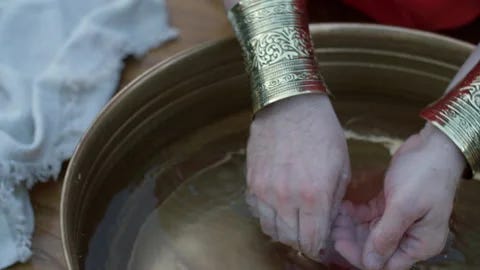
Perhaps we have merely found Pilate’s basin, and mistaken the washing of hands for peace.
Gyda heddwch, a phob bendith. Pax et bonum.
메타데이터
- post_id
- 7a0b8b8c19c5
- slug
- not-all-7a0b8b8c19c5
- url
- https://medium.com/@rhodriwilliams92/not-all-7a0b8b8c19c5
- canonical_url
- https://medium.com/@rhodriwilliams92/not-all-7a0b8b8c19c5
- author_url
- https://medium.com/@rhodriwilliams92
- status
- ok
- fetched_at
- 2026-07-27 12:02:22