A brain hemorrhage, otherwise known as intracranial or cerebral hemorrhage, results from when a…
1. Hypertension (High Blood Pressure)
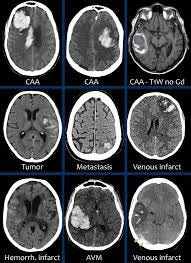
A brain hemorrhage, otherwise known as intracranial or cerebral hemorrhage, results from when a blood vessel in the brain breaks down to initiate bleeding within or around the tissue. Several factors contribute to this condition, including the following:
- Hypertension (High Blood Pressure)
Long-standing high blood pressure is known to weaken the walls of blood vessels, which makes them prone to rupture.
- Trauma or Head Injury
A significant blow to the head, often due to accidents or falls, can cause bleeding in the brain.
- Aneurysms
Weak or bulging areas in the blood vessels may burst, leading to hemorrhage.
- Arteriovenous Malformations (AVMs)
Abnormal connections between arteries and veins can rupture, causing bleeding.
- Blood Disorders
Conditions like hemophilia or sickle cell disease can impair blood clotting, increasing the risk of hemorrhage.
- Anticoagulant or Antiplatelet Medications
Overuse or improper administration of blood thinners (warfarin, aspirin, etc.) can cause over-bleeding.
-
Brain Tumours Some brain tumors may destroy blood vessels or cause an increase in intracranial pressure which results in bleeding.
-
Drug or Alcohol Abuse Stimulant drugs such as cocaine or excessive alcohol use can cause high blood pressure and decrease the strength of blood vessels.
-
Cerebral Amyloid Angiopathy Amyloid protein deposit within the vessels of elderly patients could weaken and break the vessels
-
Infections
Some serious infections, such as those leading to encephalitis or meningitis, can cause inflammation and damage to the blood vessels.
- Liver Disease
Liver conditions like cirrhosis may disrupt blood clotting factors and initiate bleeding.
- Smoking
Long-term smoking damages the walls of blood vessels, increasing the potential for hemorrhage within an aneurysm or stroke.
Brain hemorrhages must be treated with prompt medical care, as they can cause massive brain damage or death if left untreated.
메타데이터
- post_id
- 7a98fa5d7eb6
- slug
- a-brain-hemorrhage-otherwise-known-as-intracranial-or-cerebral-hemorrhage-results-from-when-a-7a98fa5d7eb6
- url
- https://medium.com/@altafatk26/a-brain-hemorrhage-otherwise-known-as-intracranial-or-cerebral-hemorrhage-results-from-when-a-7a98fa5d7eb6
- canonical_url
- https://medium.com/@altafatk26/a-brain-hemorrhage-otherwise-known-as-intracranial-or-cerebral-hemorrhage-results-from-when-a-7a98fa5d7eb6
- author_url
- https://medium.com/@altafatk26
- status
- ok
- fetched_at
- 2026-08-04 15:13:02